

Sort by:
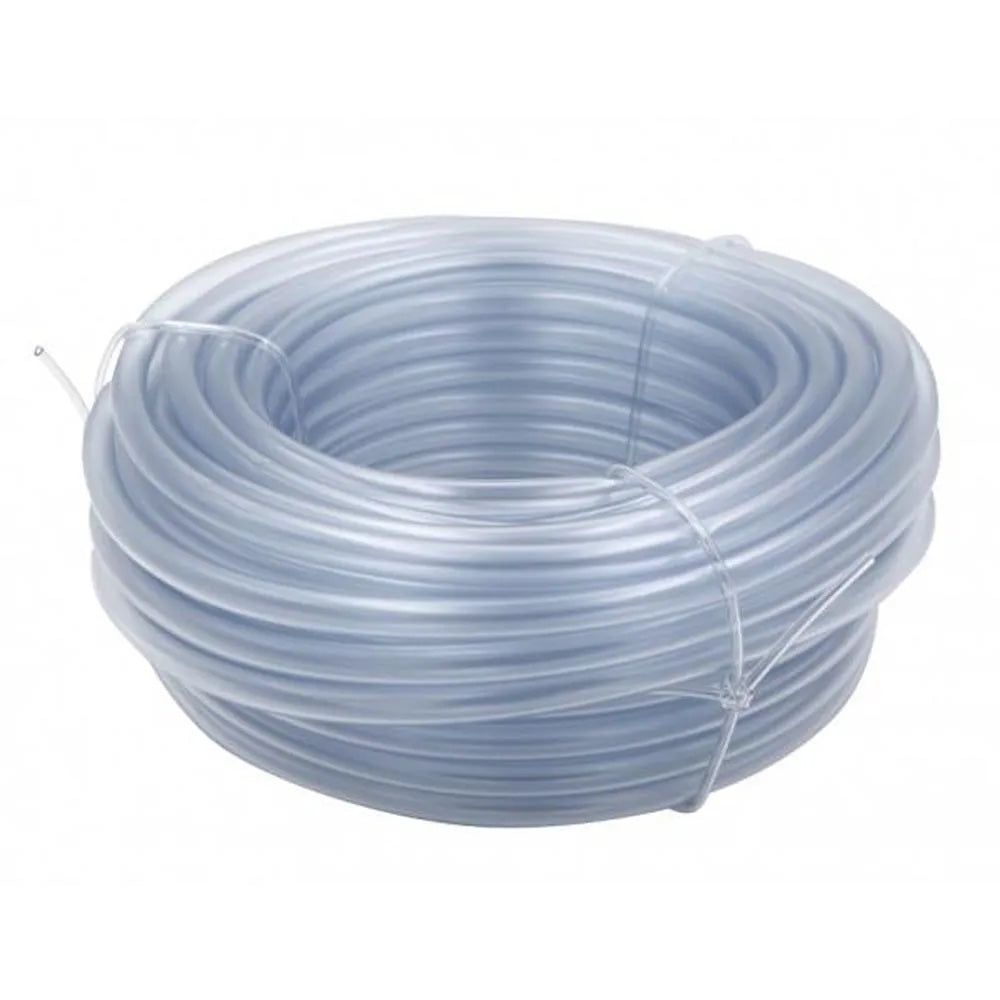
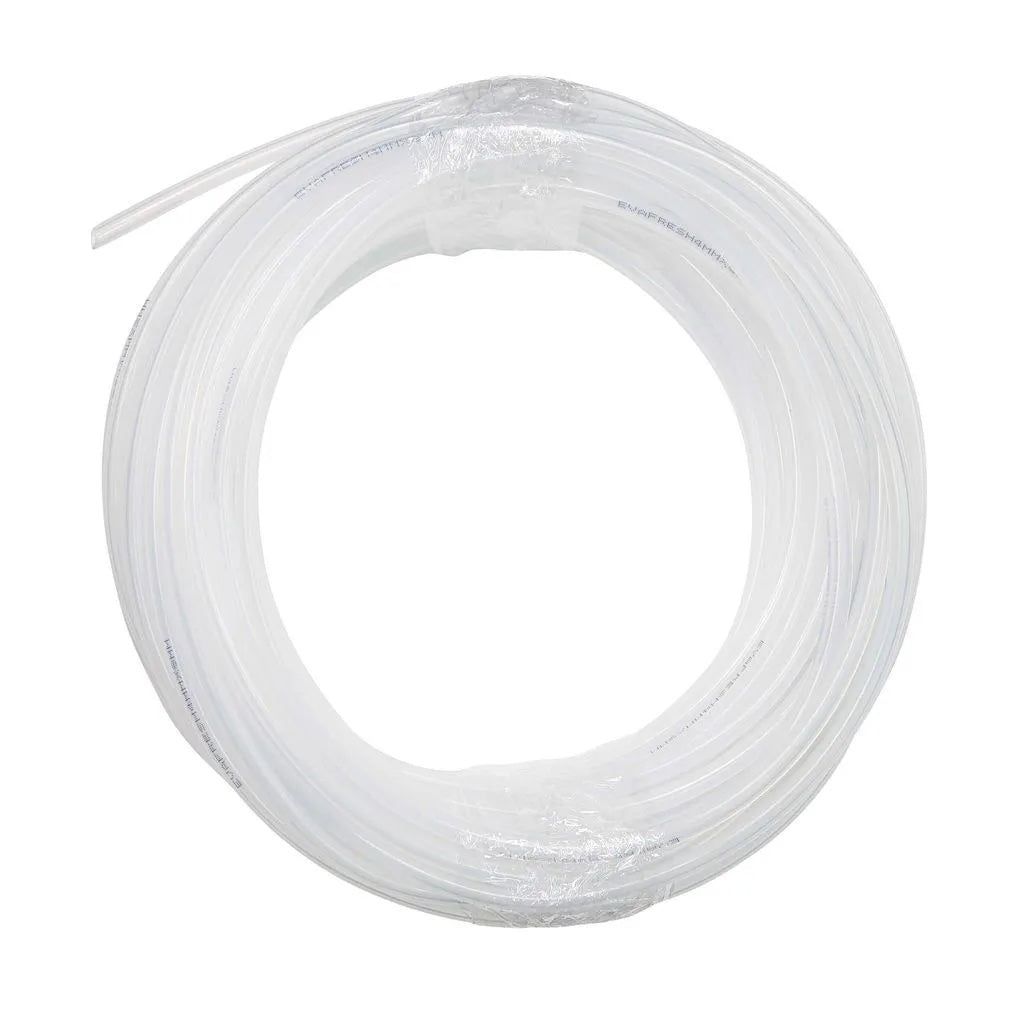
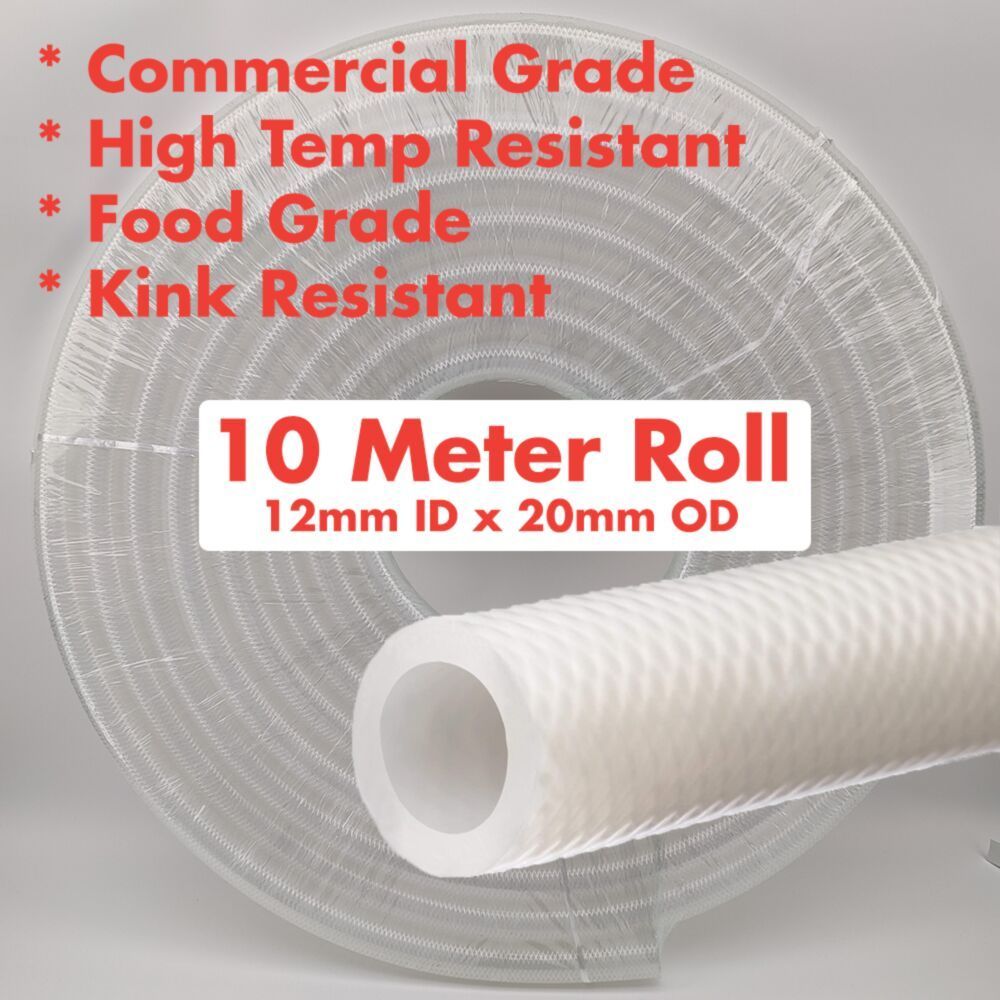
Multipurpose tubing for transferring liquids. Not designed for hot liquids.
Quantity is per metre.


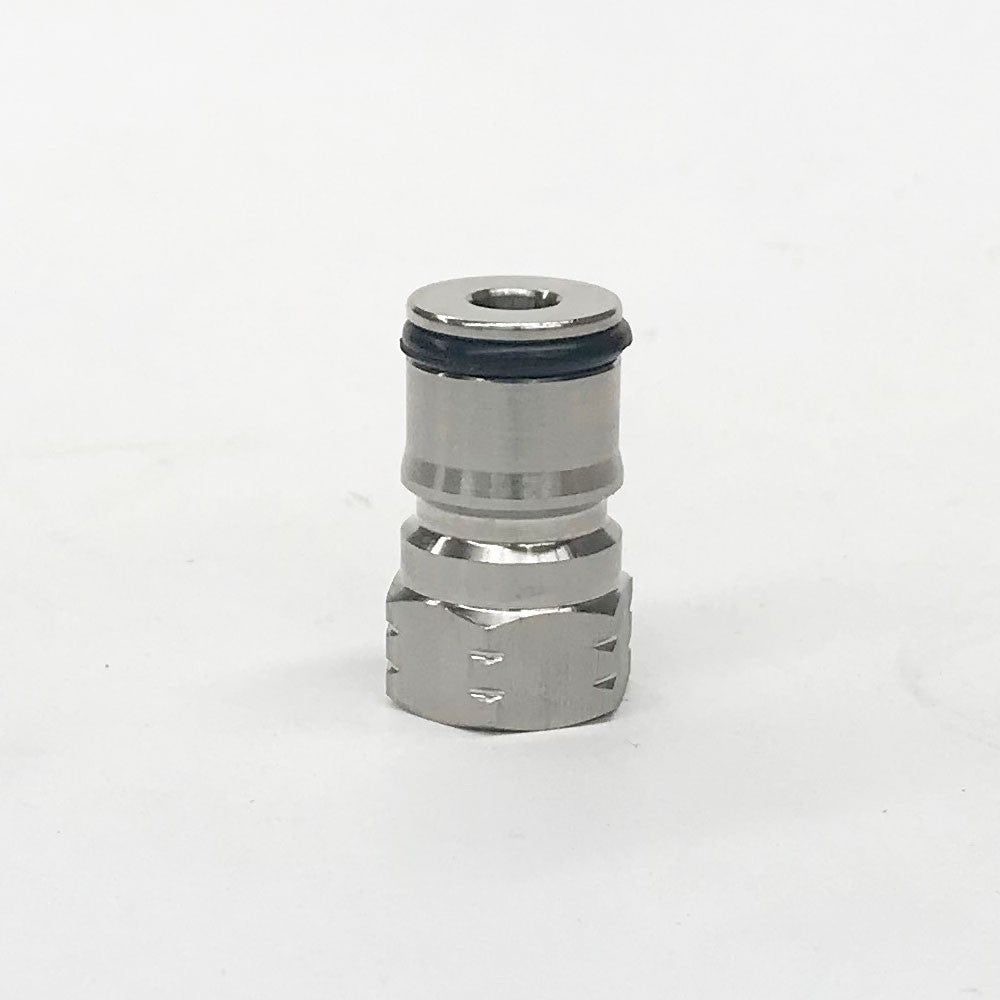
Type 30 Adaptor for Mini duotight Regulator - Suits 2-6kg Cylinders.
Want to take a huge amount of CO2 but pack as light as possible? Grab a Mini Duotight Regulator and this handy little adapter to be able to attach it to any Type 30 Cylinder (CO2). Meaning you can pour between 400 and 1000L of beer whilst on the move!
Taking your kegs on the go has never been this easy!
This adapter includes the nylon wash, ensuring a sound seal to the cylinder.
Simply thread the adapter onto your Mini duotight Regulator, or the 360 Core Actuator Regulator, then onto your 2-6kg CO2 cylinder and you're good to go!
From: Kegland

Ultra-Ferm is a liquid amyloglucosidase (highly concentrated) from selected classical strain of Aspergillus niger that completely hydrolyzes dextrins into fermentable glucose. It helps eliminate residual sugar, allowing you to achieve a dry flavour profile. Ultra-Ferm is often used to
APPLICATIONS:
1) To reduce saccharification times.
2) To saccharify unmalted cereal brews.
3) To increase attenuation.
FUNCTION IN BEER PRODUCTION:
Brewers often want to produce light beers or dietetic beers. In these cases the brewer wants a controlled or complete hydrolysis of starch and dextrins to fermentable glucose. Traditional brewing methods permit only 75 to 80% hydrolysis of starch present in the grain raw material. Ultra-Ferm amyloglucosidase permits total hydrolysis of dextrins to fermentable glucose, from all types of starch.
In the brewhouse, the recommended application dosage of Ultra-Ferm is 0.8 to 3.2L per ton of starch. It can be added at the beginning of the mash-in. Ultra-Ferm optimal pH is between 3.5 and 5.5. Temperature should not exceed 60°C. Amyloglucosidase activity is completely destroyed when the wort is held at 85°C for 10 minutes.
FUNCTION IN SPIRITS PRODUCTION:
After starch liquefaction by alpha-amylase, dextrins are hydrolysed in glucose by amyloglucosidase, before alcoholic fermentation. Ethanol production is faster and yield is higher. The recommended saccharification temperature is 60°C.
A suitable substrate for saccharification is a liquefied starch with a dextrose equivalent (DE) between 10 and 20. A higher DE than 20 might reduce the saccharification efficiency. The concentration of the substrate will also influence the saccharification efficiency. A concentration of 20-25% is a general practice. ULTRA-FERM dosage, for given reaction time, depends on the amount of glucose requested. It is usually recommended to add 400 ml per ton of starch for a fast hydrolysis. Possible pH range of use is from 3.5 to 5.5 with optimal between 4.0 and 5.3.
Optimal temperature is 60°C. Amyloglucosidase activity is completely destroyed when the saccharified liquor is held at 85°C for 10 minutes. As an example: a yield of 94% glucose can be obtained after 40 hours with 36000 AGI per kg dry matter; after 72 hours with 17000 AGI/kg and after 85 hours with 13000 AGI/kg, at pH 4.5 with temperature 60°C.
From: White Labs, USA
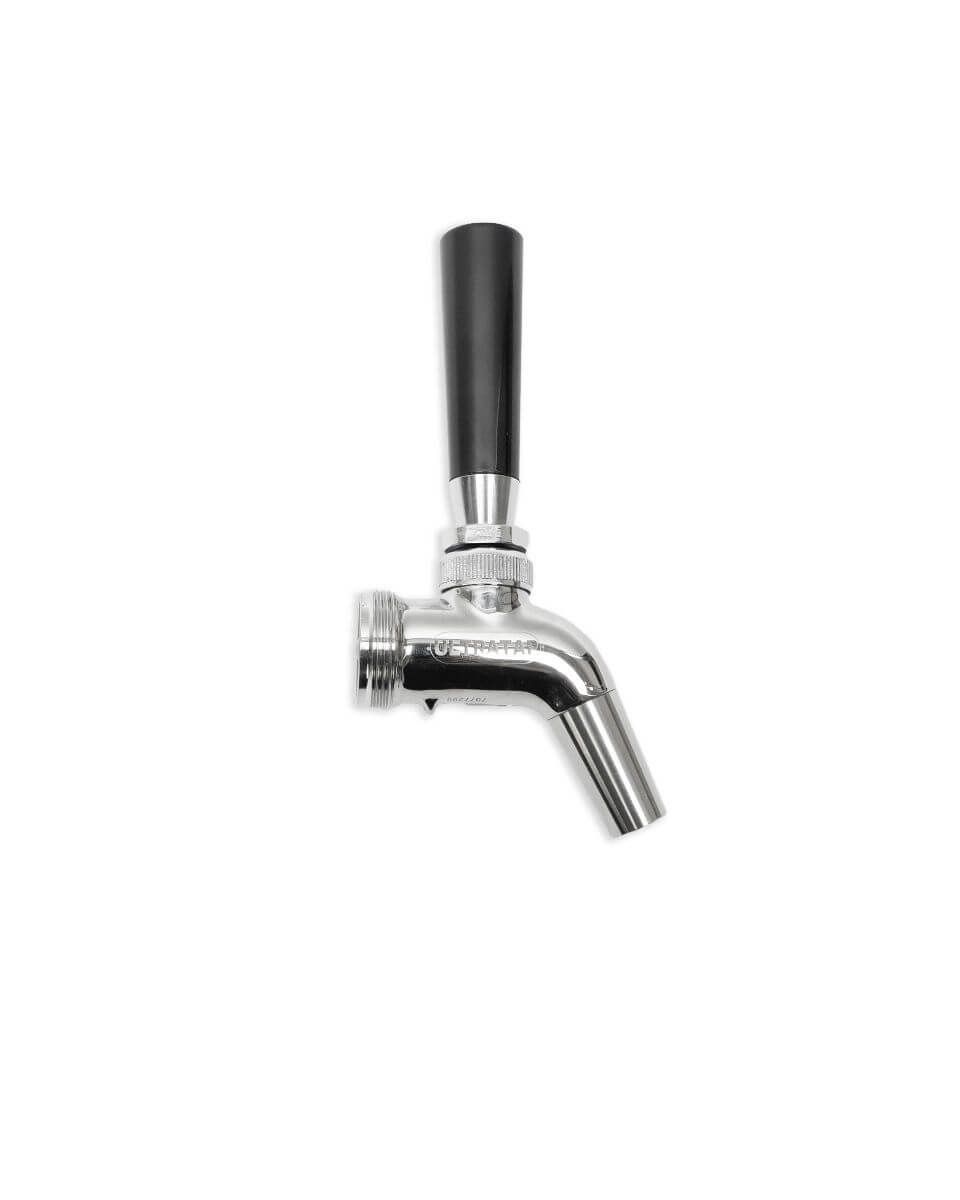
For the perfect pour, every pour, you need Ultratap.
From the inventor for the original Ventmatic (Intertap) range of tap products comes the next generation design technology that will provide you with the ultimate laminar flow experience to date.
Ultratap is the best way for your friends and customers to see your beverages being served with the most "wow factor". This tap dispenses a truly stunning pour with ease.
Ultratap’s patented all stainless steel construction utilizes 21st century, laser-precision manufacturing techniques ensure your beer meets the glass in perfect condition, every time.
Ultratap’s strength is in its simplicity. It has fewer parts and a solid, all stainless steel construction, compared to other forward sealing taps.
The secret lies within Ultratap’s unique internal surface which minimises micro eddies in the flow of the liquids with dissolved gasses before it reaches the atmosphere, gliding perfectly into your glass.
Ultratap’s forward sealing function keeps your beer fresher and will not leave a residue that will affect the tap’s performance.
For the true laminar experience look for Ultratap wherever great beer flows.
Includes a free black slender tap handle.
Note: This item is the tap & handle only.

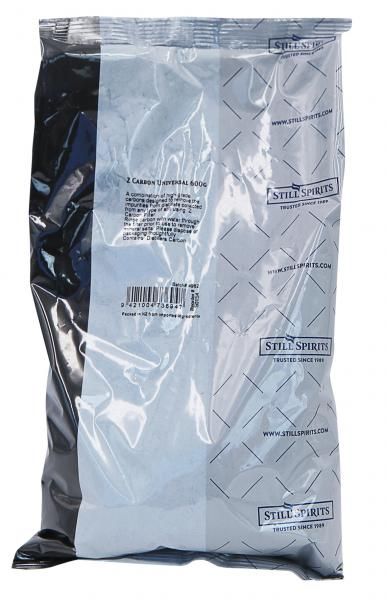
A combination high grade carbons designed to remove the impurities from distillate collected from any type of still using the Z carbon Filter.

Citric Acid is used as a final rinse after sterilizing equipment to adjust the pH of the water used.

Citric Acid is used as a final rinse after sterilising equipment to adjust the pH of the water used.
Used to dress the wine bottle after corking. Place capsule over bottle & hold in position while dipping in boiling water. Alternatively use a hairdryer or hold above element to shrink the plastic tightly to the bottle.
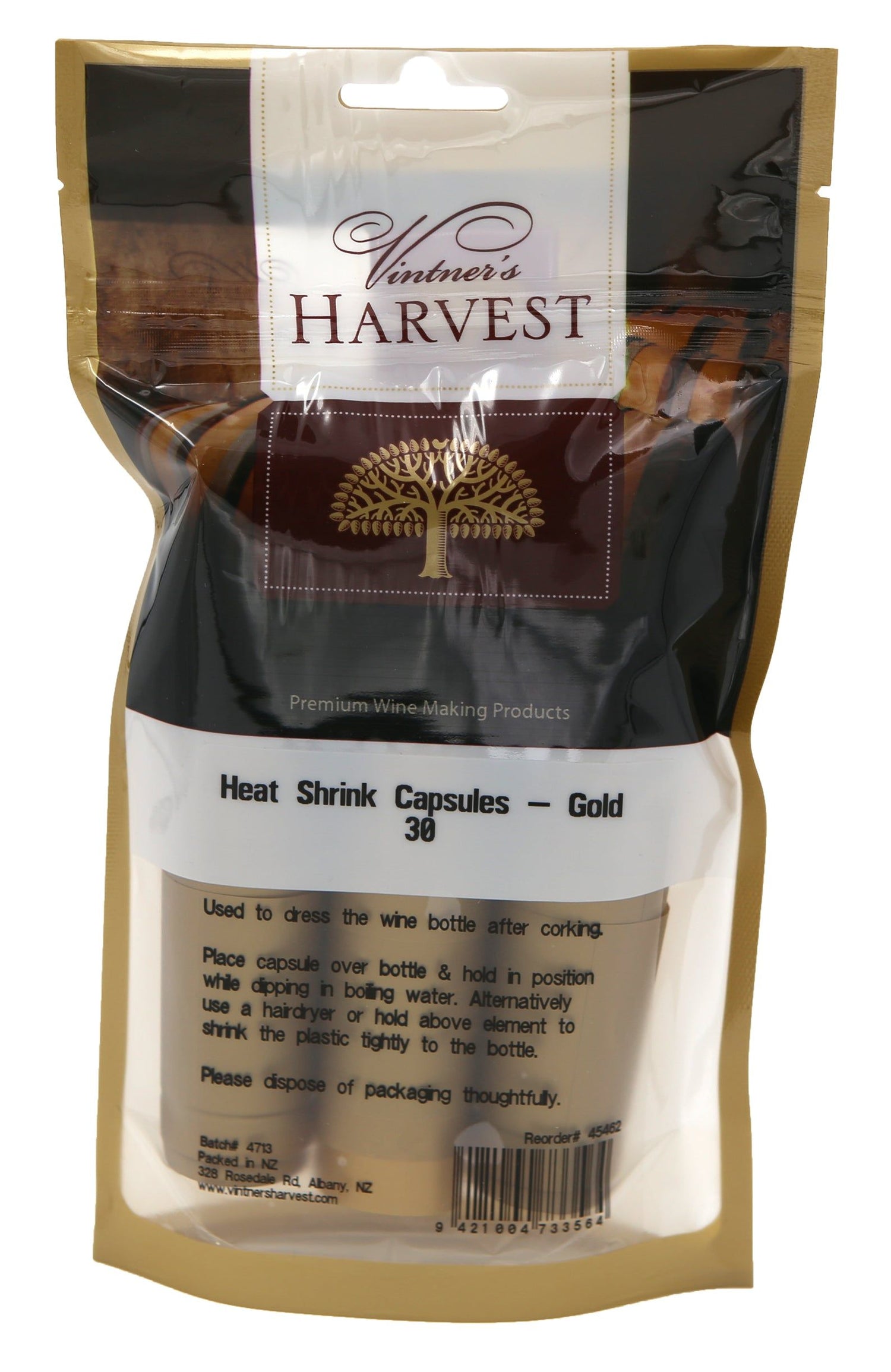
Used to dress the wine bottle after corking. Place capsule over bottle & hold in position while dipping in boiling water. Alternatively use a hairdryer or hold above element to shrink the plastic tightly to the bottle.
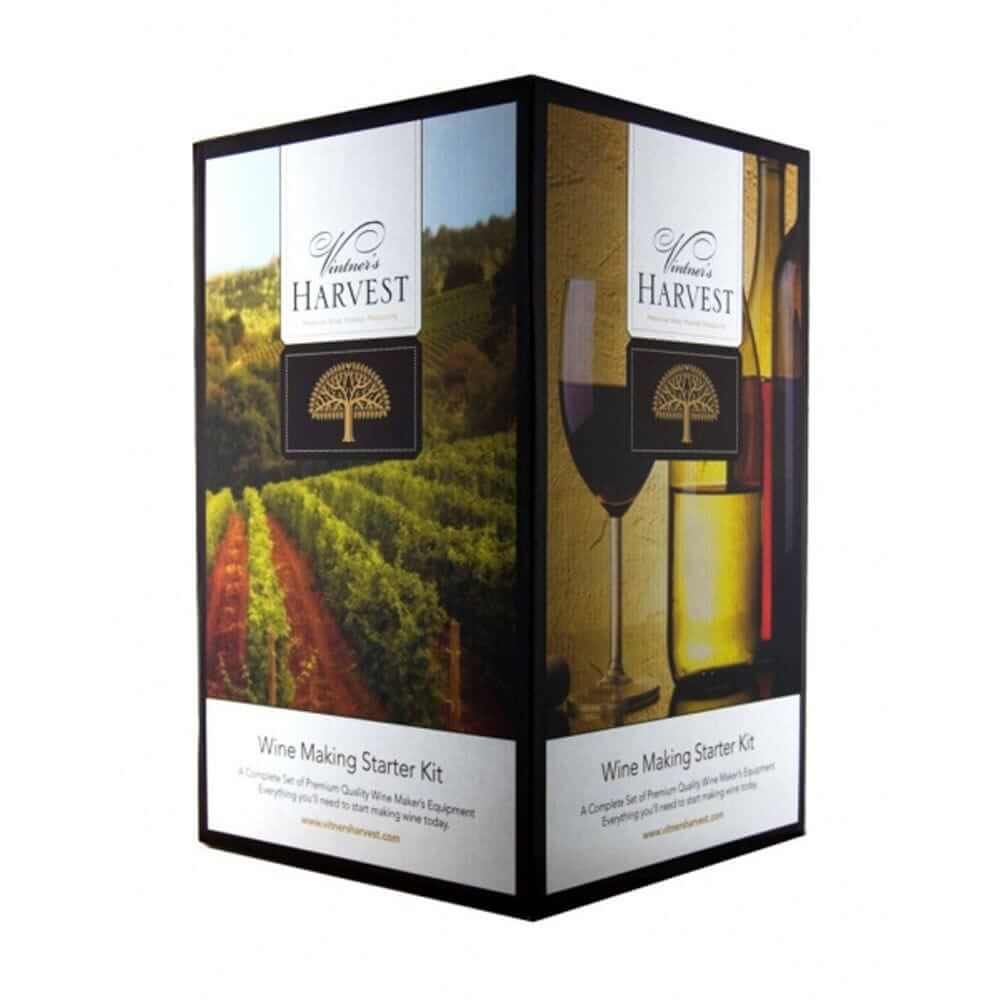
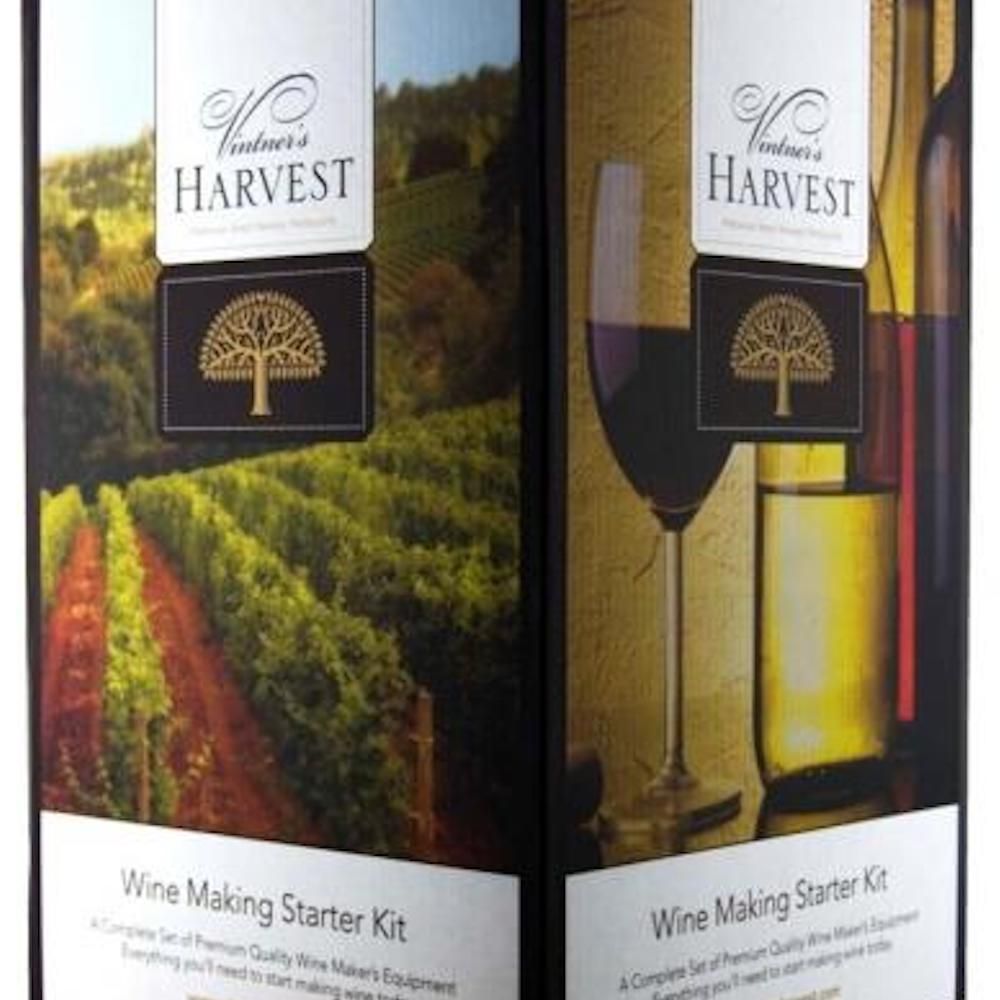
A complete set of premium quality winemaker's equipment. Everything you'll need to start making wine today.
Includes:
- 30 L Fermenter and Lid
- Airlock & Grommet
- 23 L PET Carboy and Bung
- Easy Siphon
- Hydrometer
- 39 cm Spoon
- Bottle Brush
- No-Rinse Steriliser
- Cold Water Detergent

Used to increase acid in wine. Add 1 teaspoon per 5 litres as required.

Pectinase breaks down the pectins in fruit, releasing juice and flavour and enhancing yield. It is used primarily in fruit and white wine making. Pectinase should be added whilst the fruit is being crushed.
Prepare 1 tablespoon (4g) of Pectinase per 5kg of fruit in a 100ml warm water solution. Stir through the pulp. Leave for a minimum of 6 - 12 hours before pressing.
Pulp: Add 1 tsp per 5L directly to pulp, leave two hours @ 50°C before diluting for main fermentation.
Keep refrigerated.

Vintner’s Harvest Pectinase 75g pack allows you to break down the fruit pectins during your fruit crush. This releases more juice and flavour into your wine, enhancing your yield.
Usage: Add 1 Tbls (4g) of Pectinase per 5kg of fruit (in 100ml warm water). Stir through the fruit pulp and leave to sit for 6 – 12 hours.
Treats up to 100L.
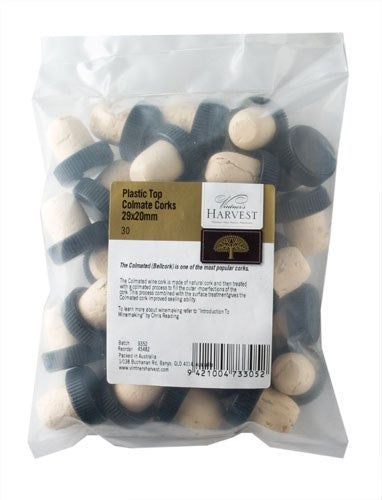
The Colmated wine cork is made of natural cork and then treated with a colmated process to fill the outer imperfections of the cork. This process combined with the surface treatment gives the Colmated cork improved sealing ability.

Wine Stabiliser (Potassium Sorbate) is used to stop secondary fermentation in wine. Add ½ a teaspoon per 5 litres to the wine, after treating with a campden tablet.

Tannin powder from chestnut origin. It adds flavour, character and astringency to wine. Use 5g per 100L and then taste before adding extra in increments of 5g

Used to increase acid in wine. Add 1 teaspoon per 5 litres as required.
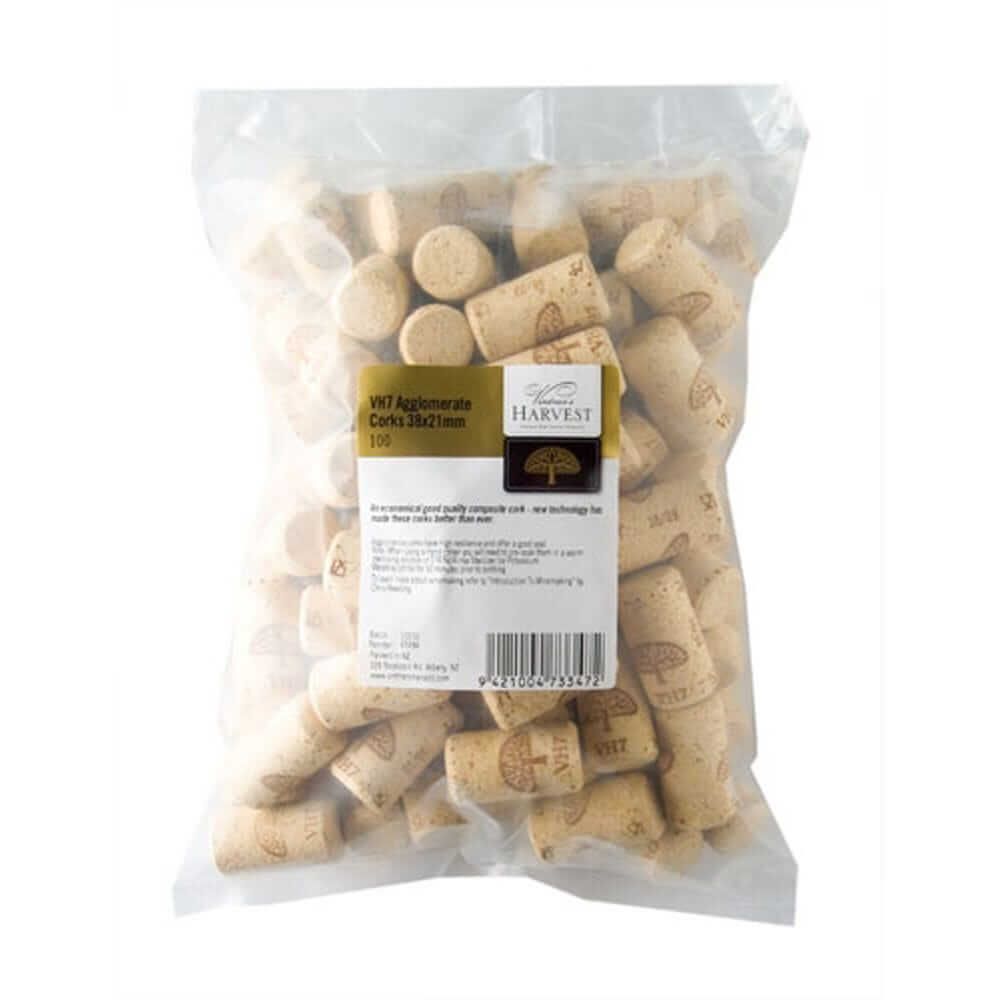
An economical good quality composite cork - new technology has made these corks better than ever.
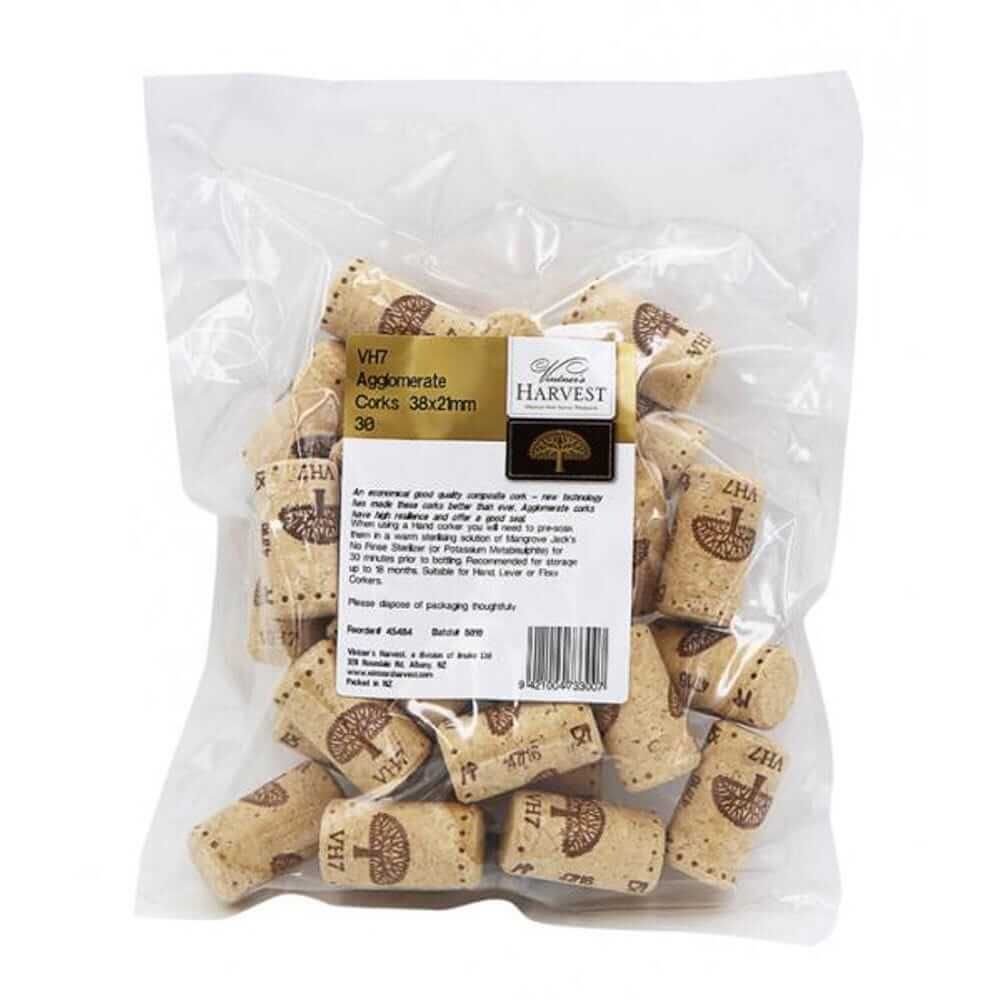
An economical good quality composite cork - new technology has made these corks better than ever.

The Colmated wine cork is made of natural cork and then treated with a colmated process to fill the outer imperfections of the cork. This process combined with the surface treatment gives the Colmated cork improved sealing ability. Recommended for storage up to 2 years.
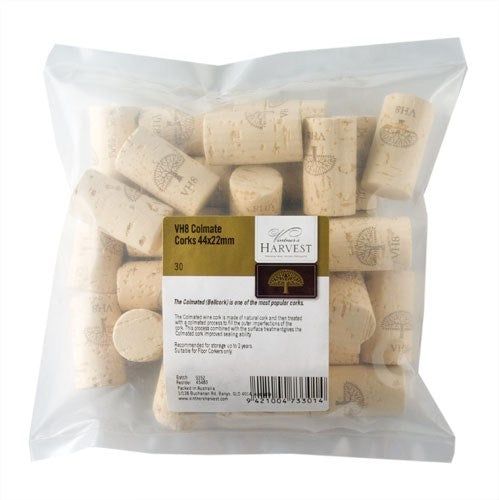
The Colmated wine cork is made of natural cork and then treated with a colmated process to fill the outer imperfections of the cork. This process combined with the surface treatment gives the Colmated cork improved sealing ability. Recommended for storage up to 2 years.
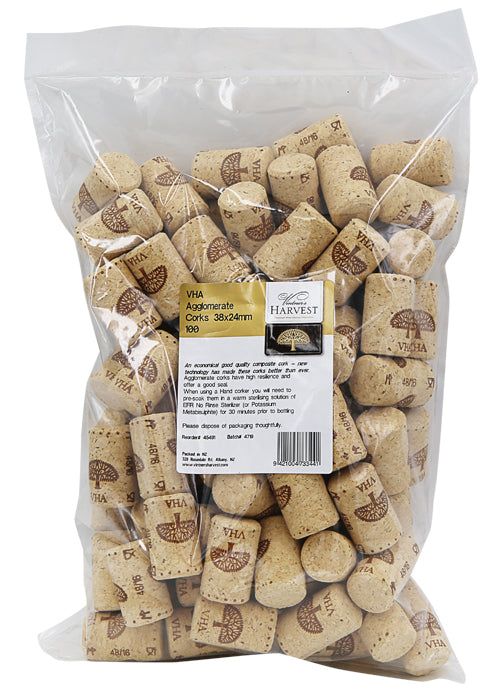
An economical good quality composite cork - new technology has made these corks better than ever.
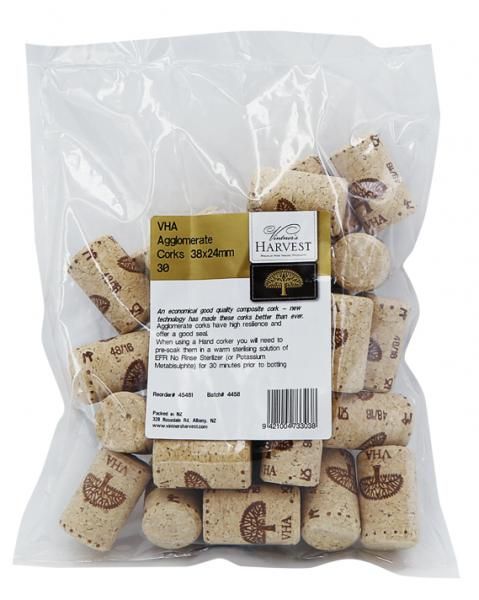
An economical good quality composite cork - new technology has made these corks better than ever.
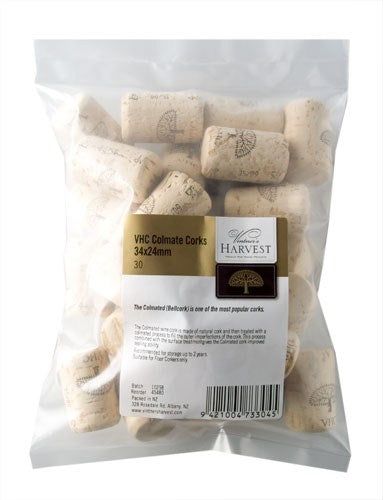
The Colmated wine cork is made of natural cork and then treated with a colmated process to fill the outer imperfections of the cork. This process combined with the surface treatmentgives the Colmated cork improved sealing ability. Recommended for storage up to 2 years
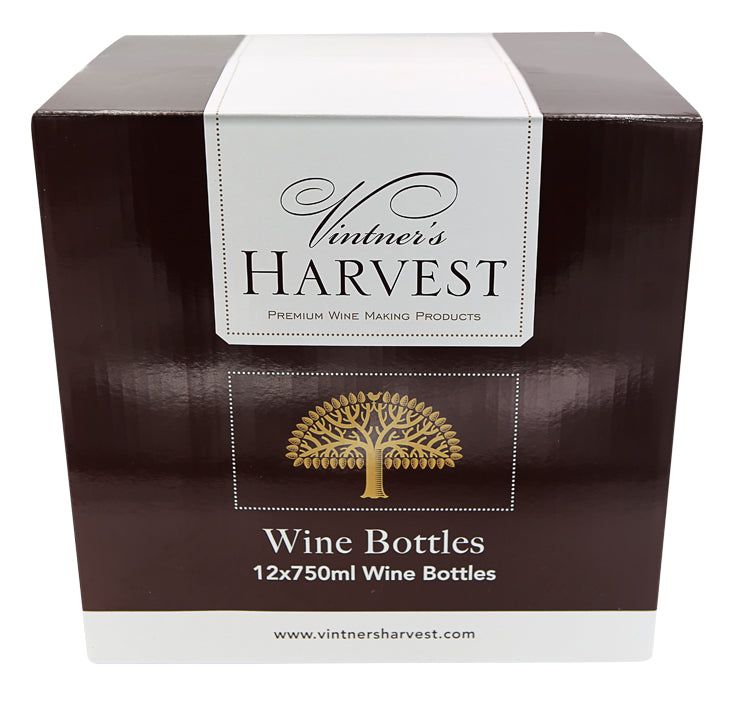
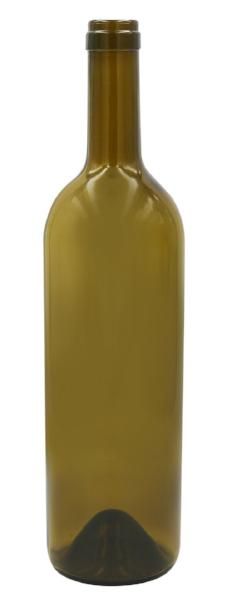
Identified by short neck, tall shoulders, and a prominent punt on bottom, Claret style bottles are perfect for many wines including Merlot, Cab Sauv, Malbec, and more.
Takes standard corks.

Wine Nutrient supports the yeast to achieve an undisturbed, clean fermentation, free from residual sugar. Can help prevent "untypical ageing off-flavour". Helps sluggish musts and worts to fast and complete fermentation.
For low fruit & concentrate table wines (rapid fermentation) use 24g to 30g per 23L.
For medium to hgh fruit & concentrate table wines (slow fermentation) use 12g to 18g per 23L.
Ingredients: Diammonium phosphate (DAP), magnesium sulphate, magnesium carbonate, vitamins, trace minerals.
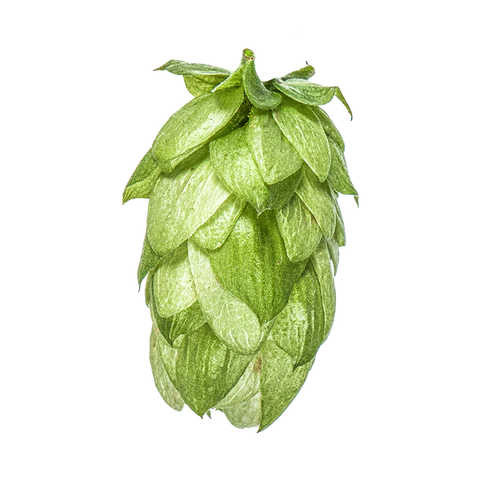
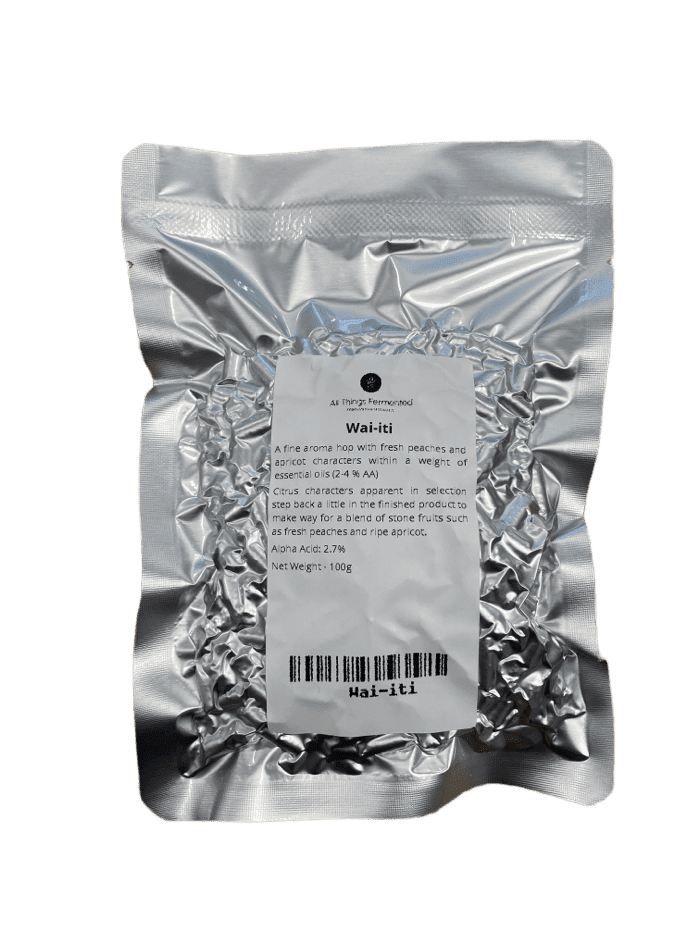
Wai-iti from NZ Hops is a low-alpha aroma hop that delivers a bright, expressive burst of juicy peach and apricot, zesty lime, mandarin and lemon zest, layered with gentle berry notes. Its high oil content makes it ideal for late kettle, whirlpool and dry-hop additions, where it shines in session IPAs, pale ales, pilsners and lagers, adding vibrant fruit-forward aroma and flavour without overwhelming bitterness.
AROMA PROFILE: PEACH, APRICOT, LIME, MANDARIN, LEMON ZEST, BERRY
Batch: 26-310
Alpha: 3.70%
Beta: 6.80%
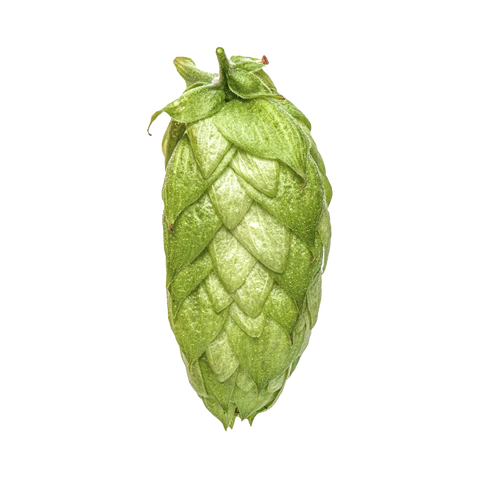
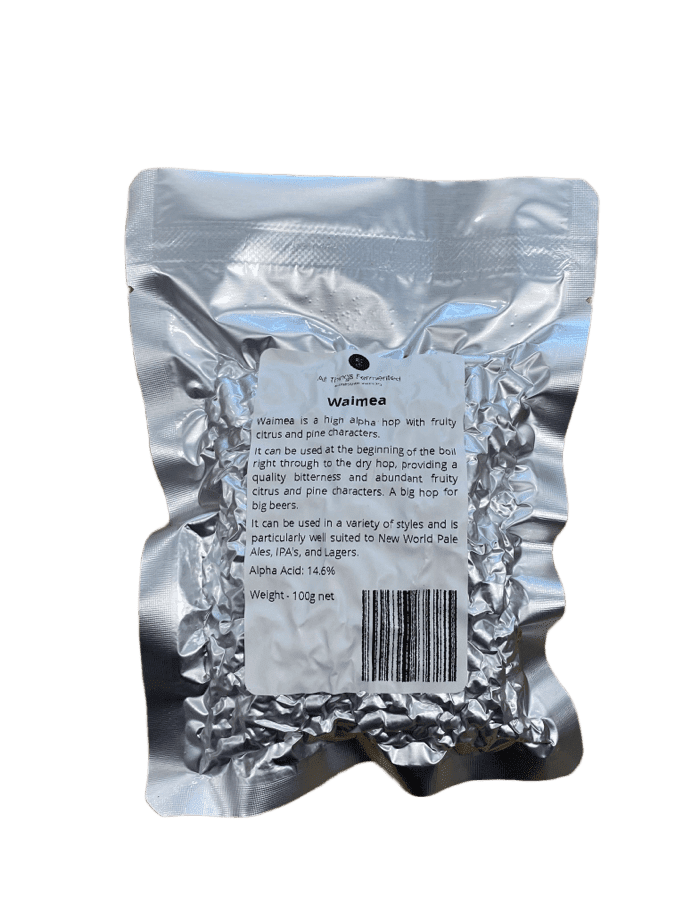
Waimea™ is a big alpha hop that carries an even bigger weight of oils, delivering an outsized, assertive character packed with fresh tangerine, tangelo, and grapefruit alongside clean pine needle notes.
Its genuine dual-purpose capability means it performs beautifully from early kettle additions right through to dry hopping, providing quality bitterness and vivid citrus aroma. Reach for Waimea™ when you want a bold, resinous hop presence in big IPAs, hoppy lagers, pale ales, and Imperial-style beers — a great finisher that lets its citrus-pine punch take centre stage.
AROMA PROFILE: CITRUS, STONE FRUIT, SWEET AROMATIC, TROPICAL
Batch: 26-326
Alpha: 17.30%
Beta: 7.40%
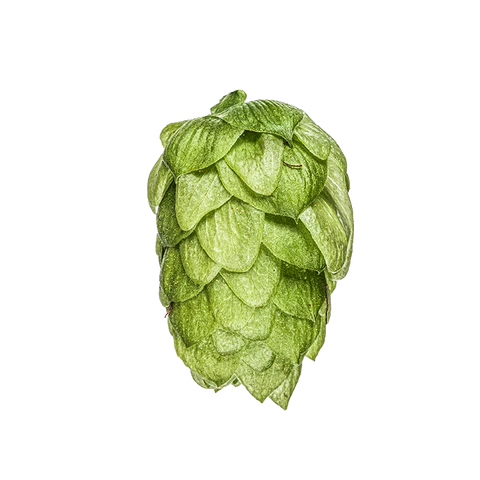
Wakatu™ is a remarkably versatile dual-purpose hop that brings a heady mix of floral and citrus characteristics to any brew. Its standout feature is a vibrant, fresh citrus aroma reminiscent of freshly zested lime peel, which carries through beautifully from the kettle to the finished beer. This balanced profile makes it an excellent choice for a wide range of styles, from adding a refreshing twist to a crisp lager to providing a complex, aromatic backbone in bigger ales.
AROMA PROFILE: LIME ZEST, FLORAL, CITRUS, TROPICAL FRUIT, GRASSY, WOODY.
Batch: 26-024
Alpha: 8.2%
Beta: 8%

This is a low watt density warming wand to be used on a fermenter to maintain warmer yeast profile temperatures in the colder months of the year.
- 125watt
- 1.5" Tri-Clamp
From: Kegland

Warrior® hops have become the go-to bittering hop (Alpha Acid 15-18%) for many craft and commercial breweries across America.
It is a high alpha hop with a very mild aroma and contributes a balanced flavour, which is primarily used for its mild, clean bittering properties.
Its high myrcene oil content contributes to its piney and zesty character when used late.
AROMA PROFILE: CITRUS, GRASSY, HERBAL, STONE FRUIT, WOODY


A weldless kettle conversion kit - easily convert any kettle without welding. All you need is a 7/8″ holesaw, step drill, or hole punch and pliers.
Includes:
- stainless steel bulkhead
- stainless steel ball valve
- stainless steel hose barb
From: Krome Dispense
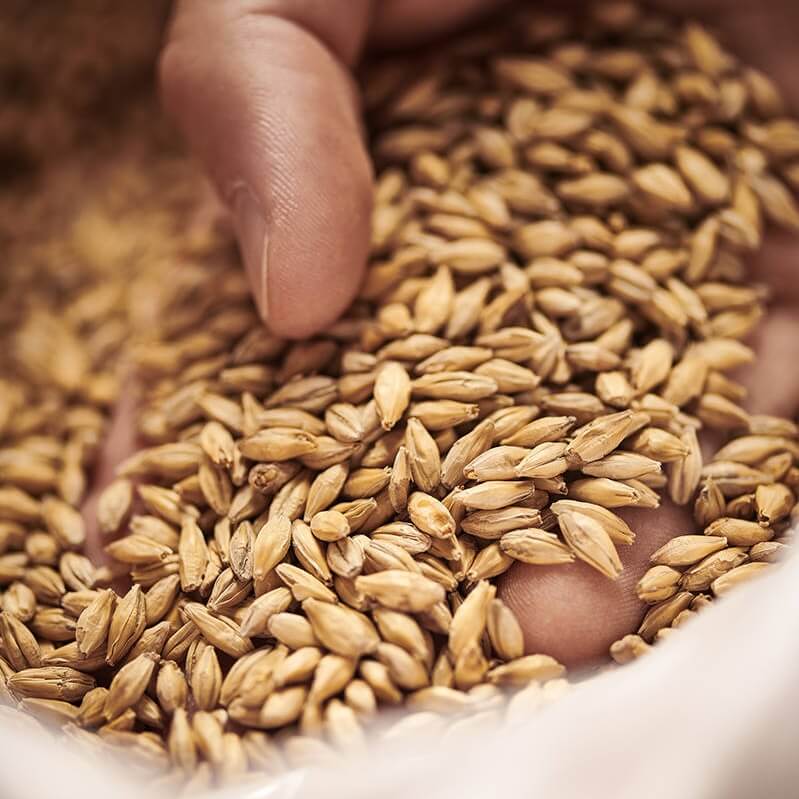
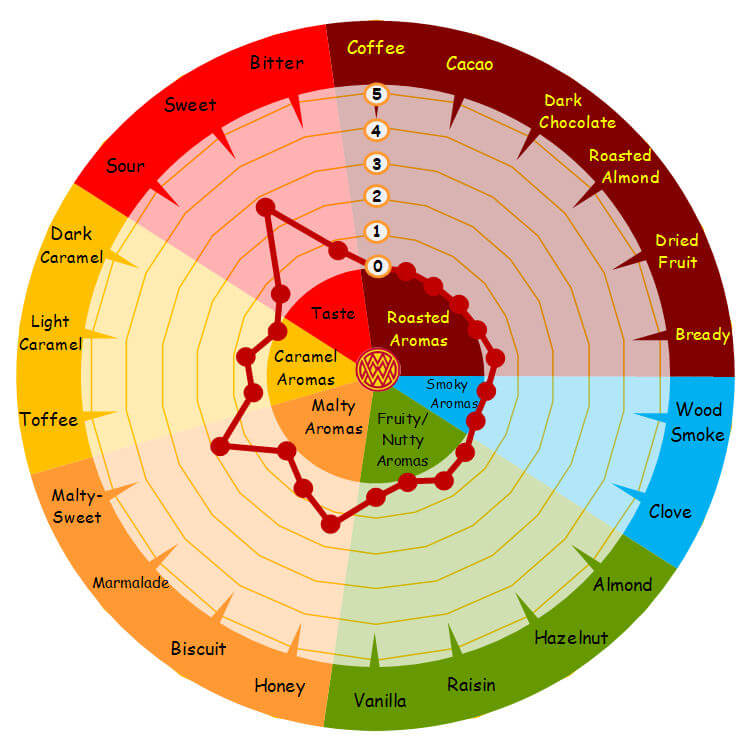
Made from the finest Bohemian quality brewing barley (barley varieties Bojos and Malz), this Pilsner malt is characterised by the typical sententious core notes of the original barley varieties.
Sensory: nutty malt aroma, malty-sweet
Terroir malt for Bohemian beer styles, typically for:
- Pale Lager; Czech Pale Lager
- Pilsener; Bohemian Pilsener
- Amber Lager; Czech Amber Lager
- Dark Lager; Czech Dark Lager
- Bock; Bohemian Bock
- Pale Ale; Saison
- Strong Ale; Wheat Wine
- Wheat Beer; Gose
Recommended addition: up to 100%
Enzyme activity: High
Color:
3.0 – 5.0 EBC
1.6 – 2.3 Lovibond

Made from the finest Bohemian quality brewing barley (barley varieties Bojos and Malz), this malt has been produced in Bohemia, according to the traditional floor malting process. This artisanal process gives the malt a special character and an extraordinary flavour intensity.
Sensory: intense malt aroma with honey and biscuit notes
Traditionally produced terroir malt for typical malt-forward, Bohemian beer styles, typically for:
- Pale Lager; Czech Pale Lager
- Pilsener; Bohemian Pilsener
- Amber Lager; Czech Amber Lager
- Dark Lager; Czech Dark Lager
- Bock; Bohemian Bock
- Pale Ale; Saison
- Strong Ale; Wheat Wine
- Wheat Beer
- Historical Beer Style; Historical Gose, Lichtenhainer, Gruitbier
Recommended addition: up to 100%
Enzyme activity: high
Color:
3.0 – 5.0 EBC
1.6 – 2.3 Lovibond