

Sort by:

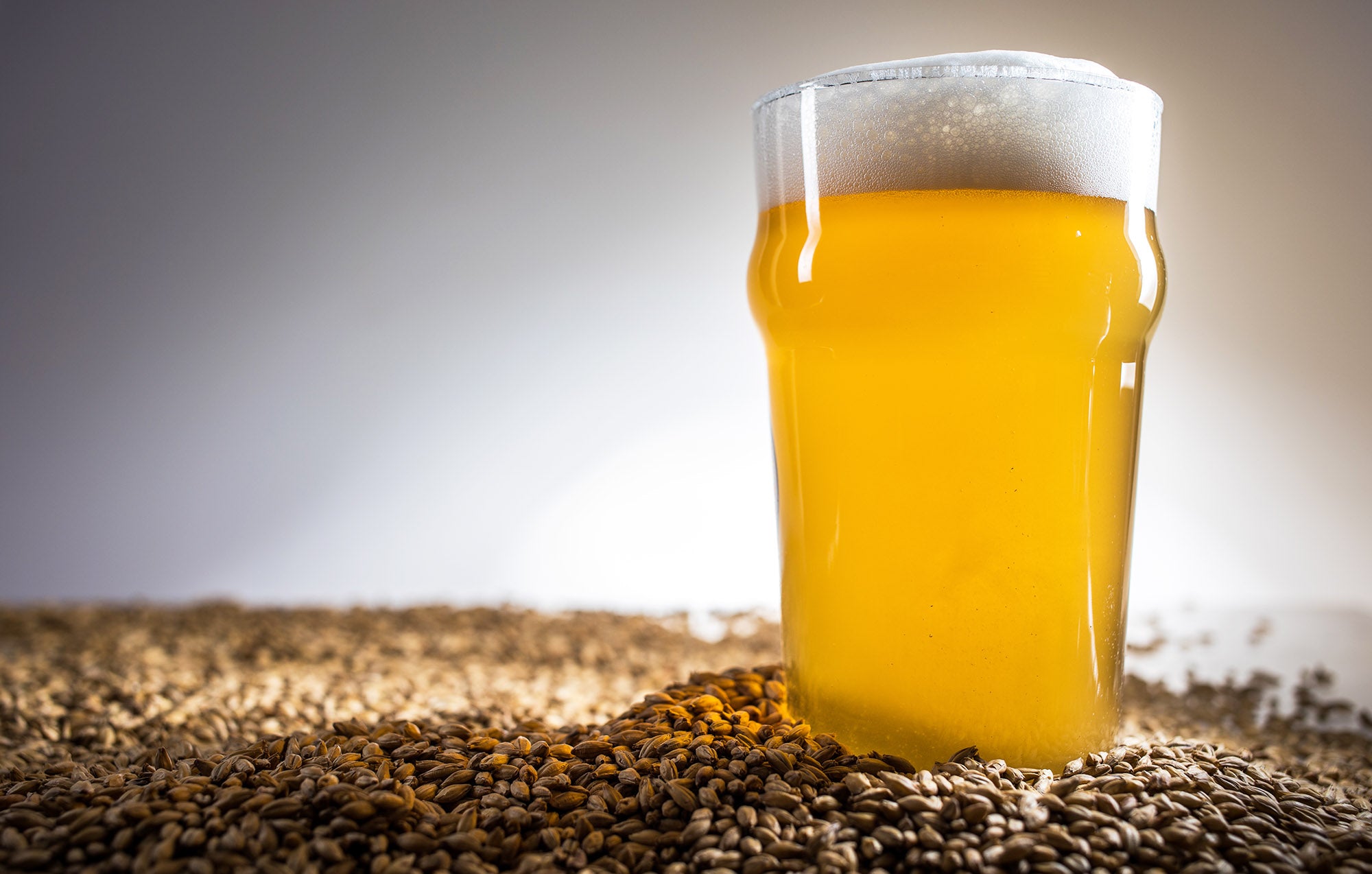
English Strong Bitter is often referred to as English Pale Ale or Extra Special Bitters. It is characterised by a firm bitterness (often falling in the range of 30 to 50 IBUs), however it should not overpower the malt. Balance is important and most examples range from balanced to moderately bitter.
It should have a moderate hoppy flavour and aroma, with a complex malt and yeast character. It is common for caramel/crystal malts to be used.
The ATF ESB has a complex malt flavour and aroma consisting of a malty biscuity base with layers of light to dark caramel flavours. In the background are delicate fruity esters provided by the yeast.
The hopping provides a firm bitterness that nicely balances the malt character along with a pleasant resinous, citrusy, herbal flavour and aroma with a spicy undertone. Whilst the hop flavours and aromas are apparent, they do not dominate.
The beer has a full, almost silky mouthfeel, that finishes moderately dry.
Yeast is not included in the kit. We recommend using Mangrove Jack's Liberty Bell Yeast, or you could also try Lallemand Verdant IPA.

Sizes:
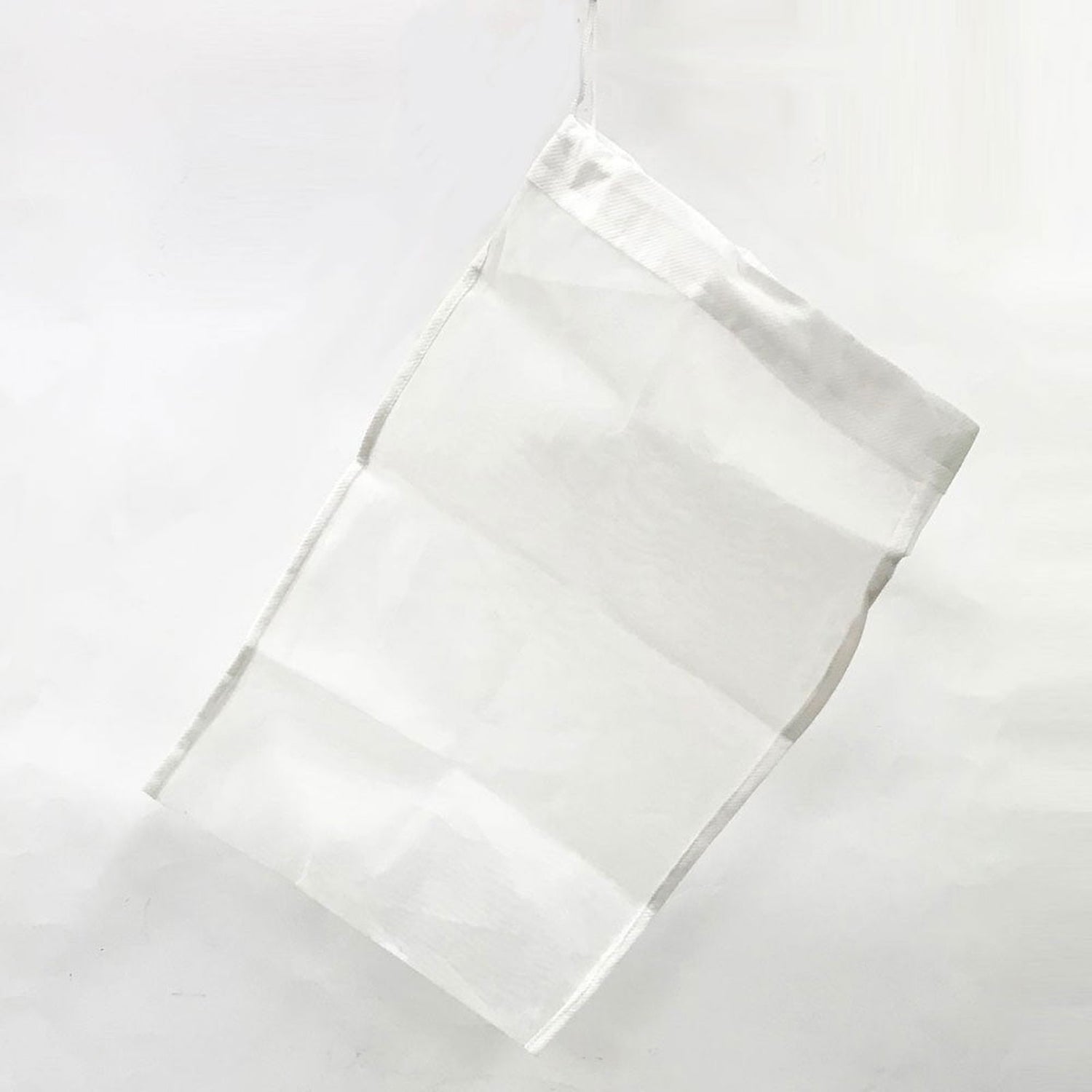
- approx. 200mm x 225mm (Small)
- approx. 200mm x 375mm (Medium) (Ideal for kettle spiders)
- approx. 600mm x 600mm (Large)
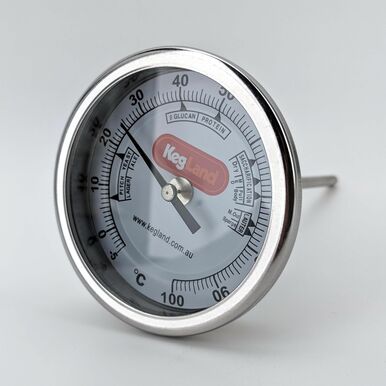
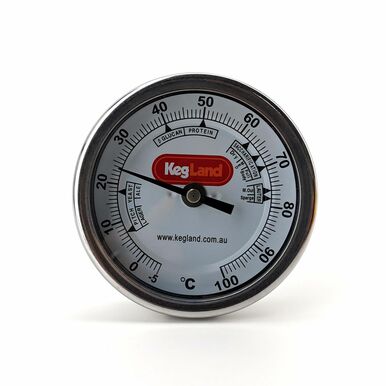
A bi-metal weldless thermometer with glass face. Ideal for fitting to your mash tun, hot liquor tank or kettle.
Features:
- Calibration screw so you can fine tune the temperature
- 304 stainless steel housing and probe
- ½” BSP thread and includes silicon and stainless steel washers.
- Temperature range -5C to 100C customised for brewing
Includes a slimline nut and 2 x silicone seals plus a stainless washer.
From: Kegland
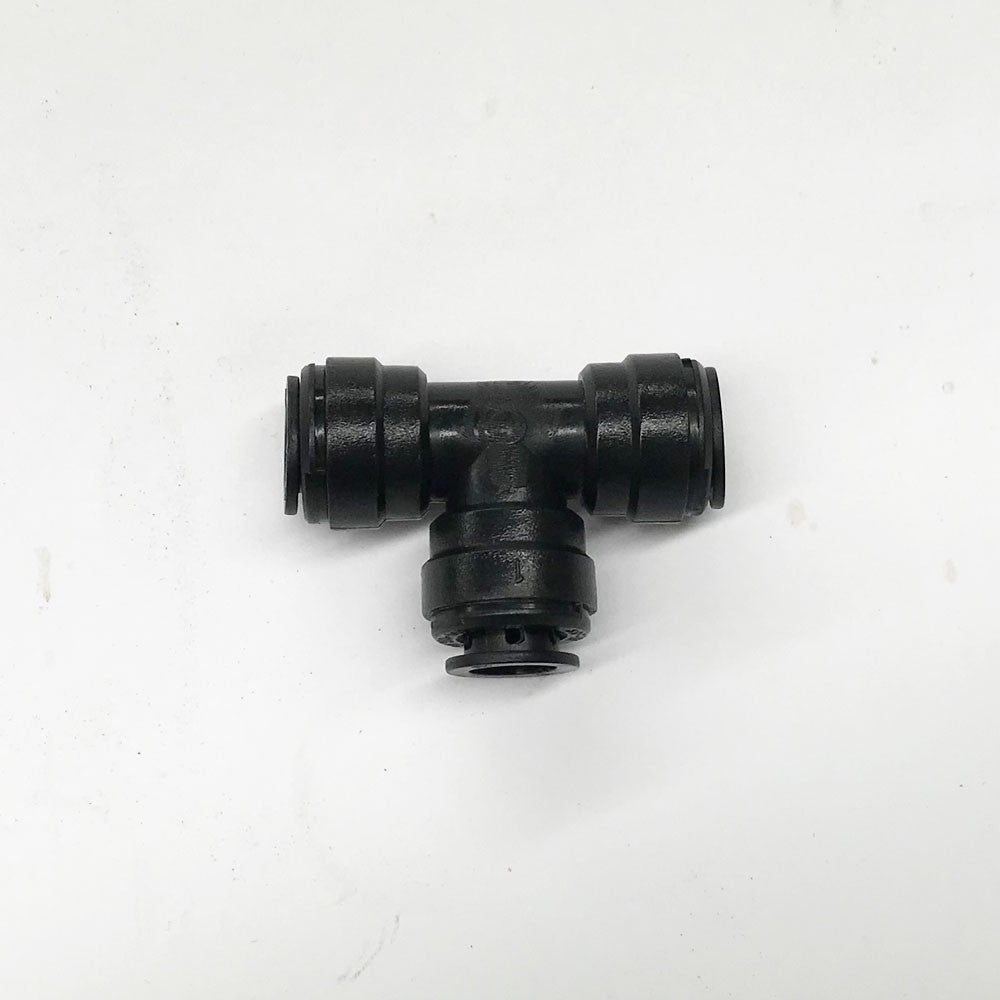
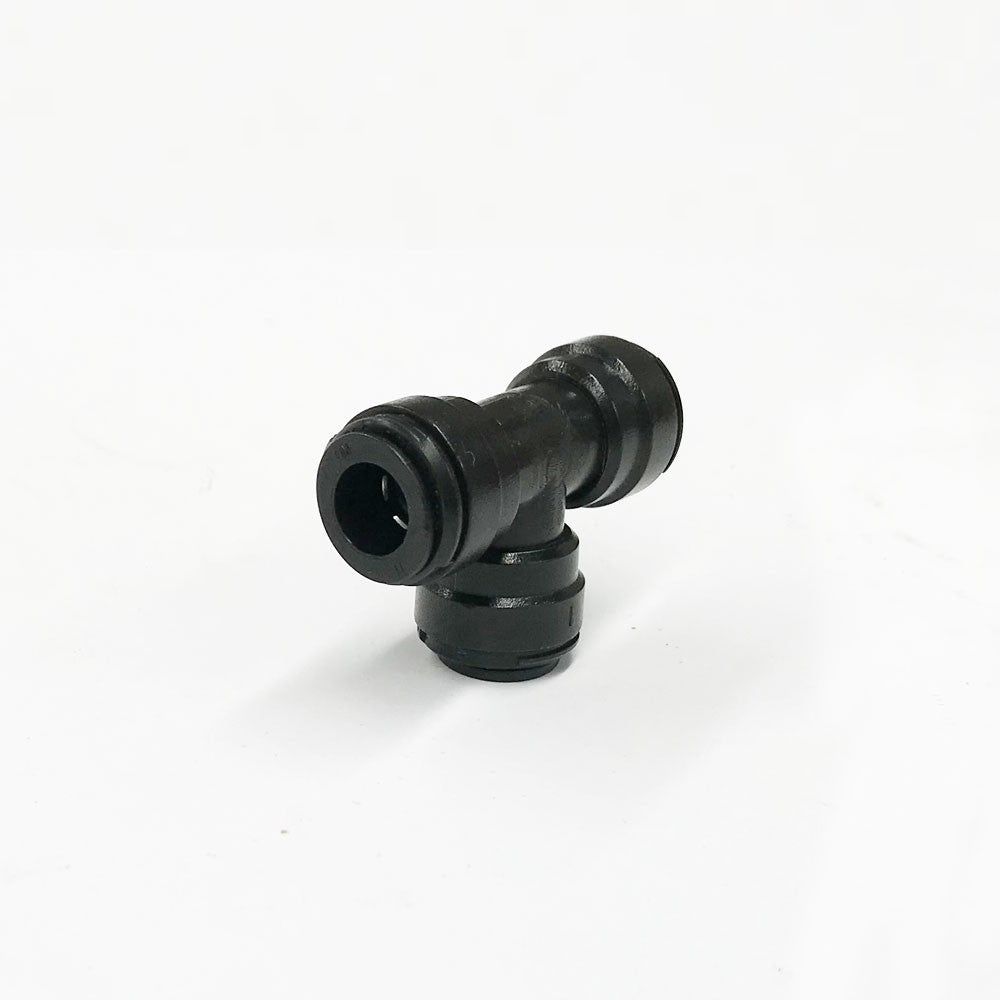
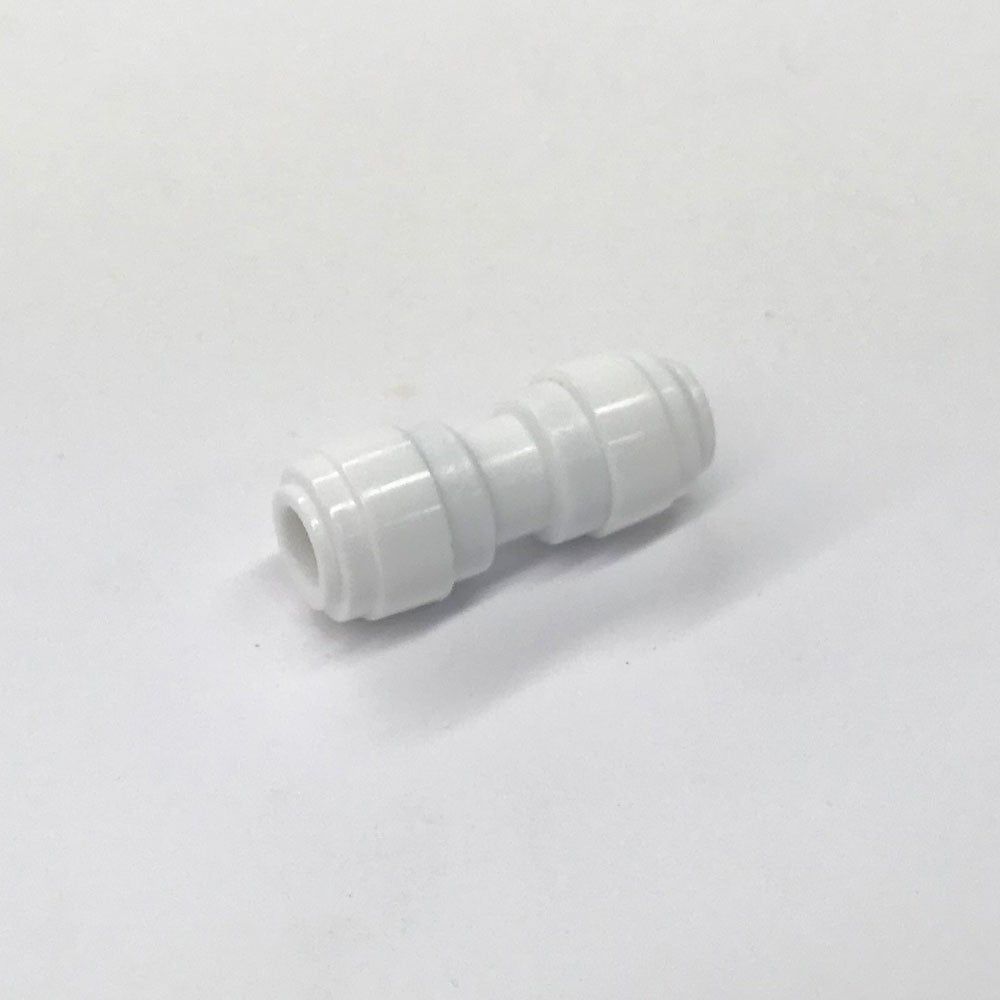
Note that this is 10mm diameter in and out - if you're after 8mm, you'll find it here.
They are extremely easy to use and allow you to simply push your beer and gas line straight into these fittings. No need to purchase clamps or tools. To remove the fitting, simply push in the collet and the hose can be removed.
Fits 10mm outer diameter tube.
Note: colour may vary.
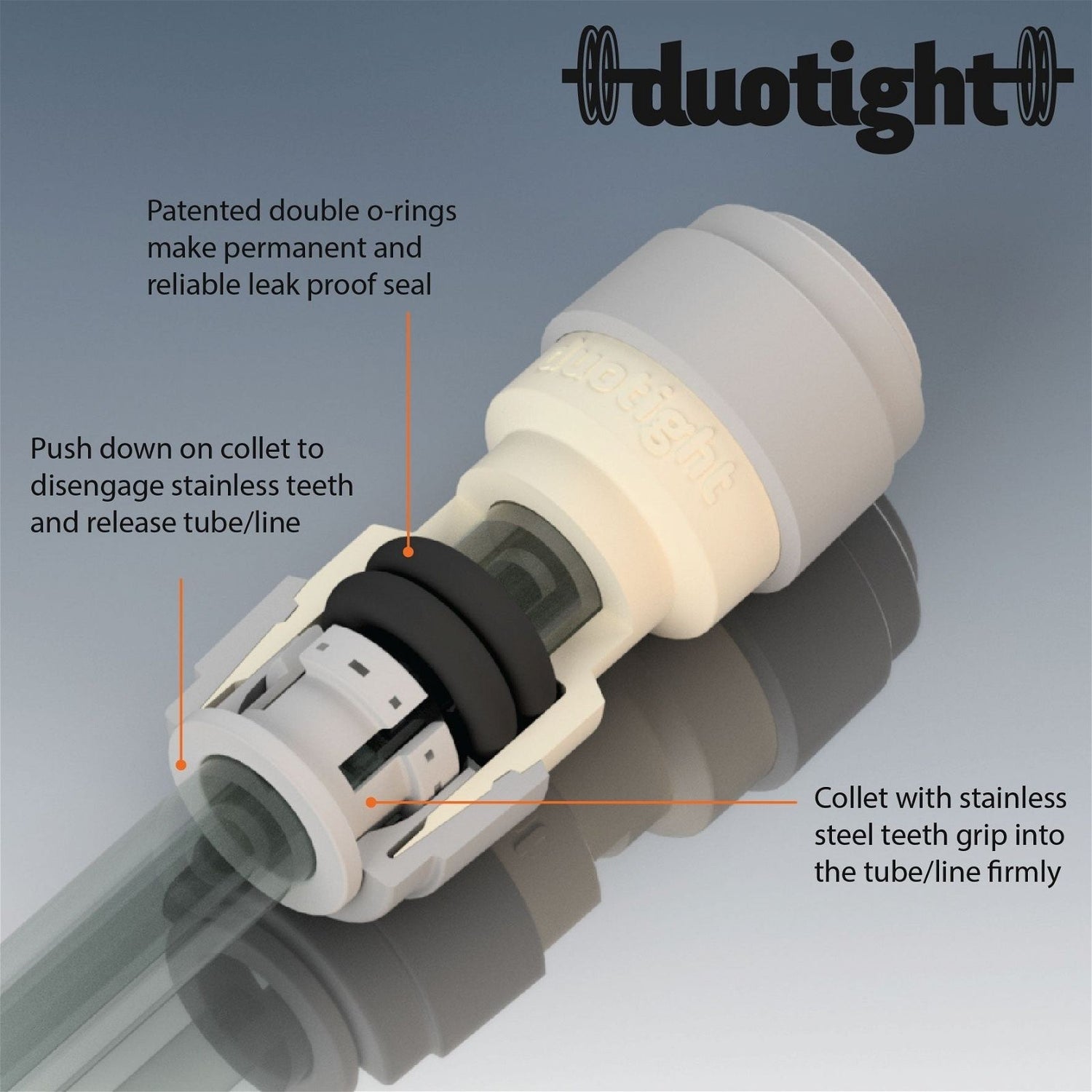
Duotight push in fittings have been engineered for maximised performance in both gas and liquid applications. Compared to other push in fittings on the market, duotight takes the double safety approach to all of the connections with two EPDM o-rings per hose port.
These push in fittings are suitable to be used up to 100 psi. They are extremely easy to use and allow you to simply push your beer and gas line straight into these fittings. No need to purchase clamps. To remove the fitting simply push in the collet and the hose can be removed. We do recommend cutting your hosing straight, not on an angle, to ensure the line has a complete seal.
Fits 8mm outer diameter tube.
Note: colour may vary.
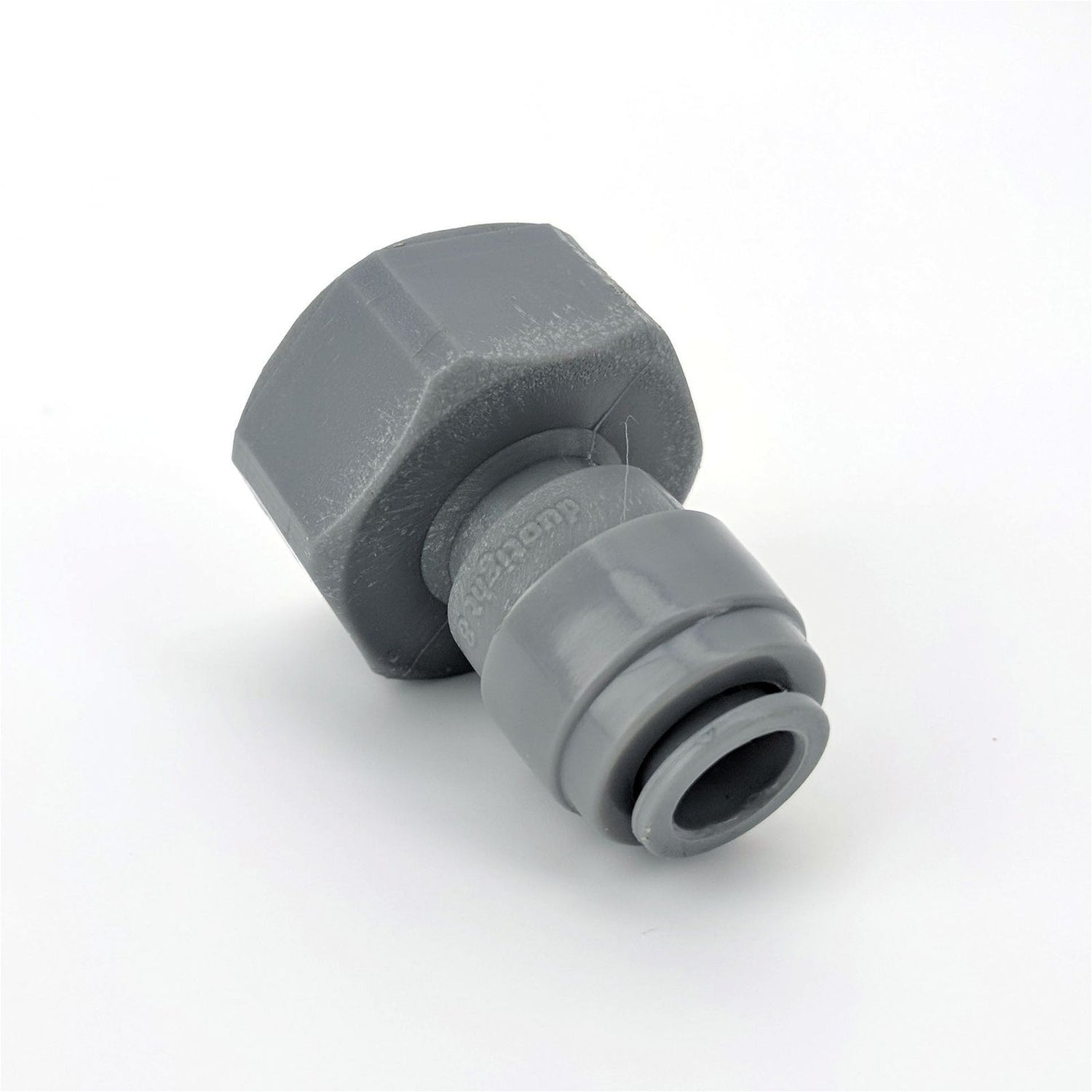
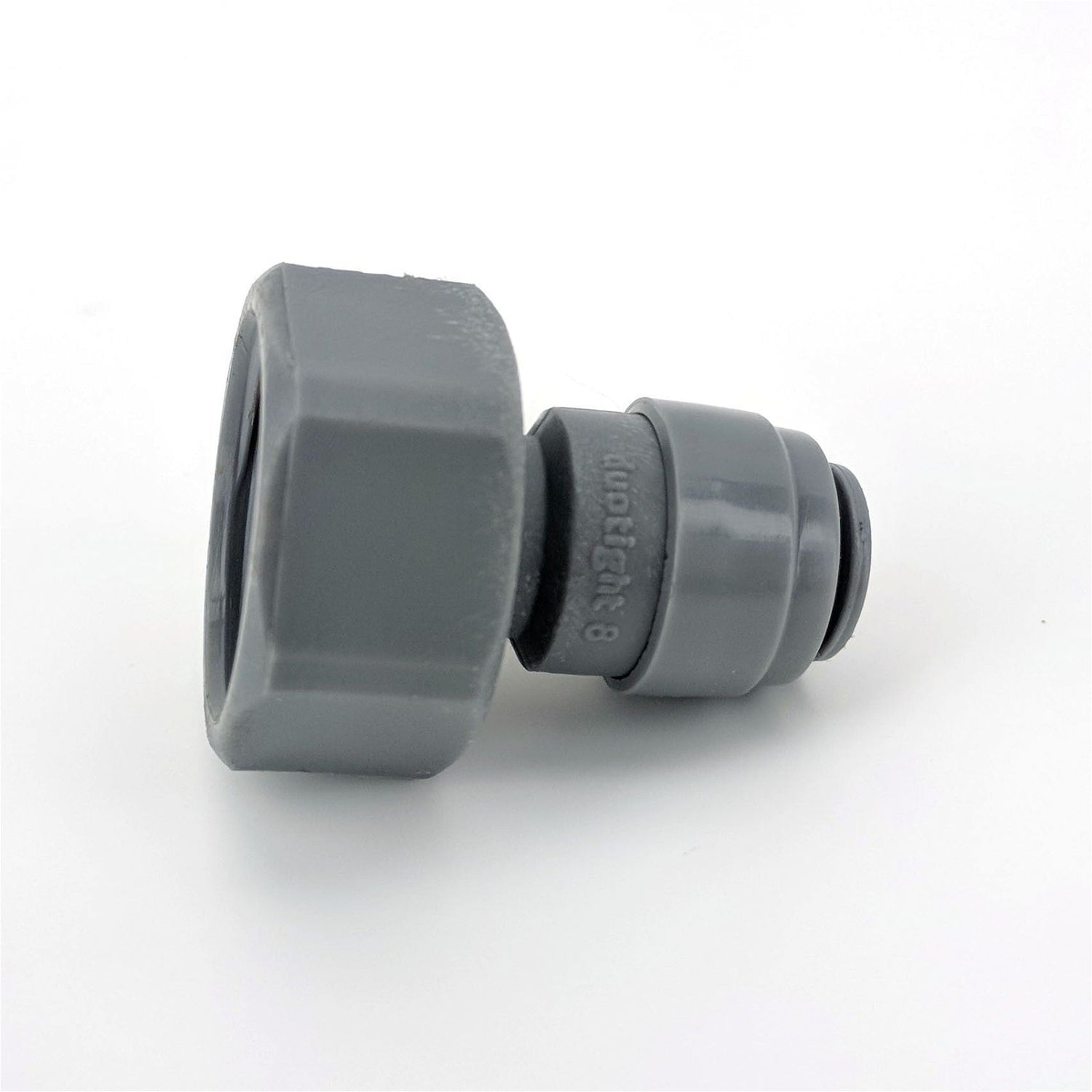
Duotight push in fitting for 8mm line to 5/8inch thread - ideal for keg couplers and tap shanks.
Duotight fittings feature a double o-ring sealing design for a more secure seal. The seals are not only high quality EPDM o-rings but also it has two of them. The double o-ring means there is literally twice the sealing surface when compared with other push in fittings. This makes Duotight fittings even more reliable and reduces the chance of a leak significantly. The double o-ring system also means that you can bend the hose with a much tighter radius without leaking issues.
We do recommend cutting your hosing straight, not on an angle, to ensure the line has a complete seal. To remove the fitting simply push in the collet and the hose can be removed. These push in fittings are suitable to be used for up to 100 psi.
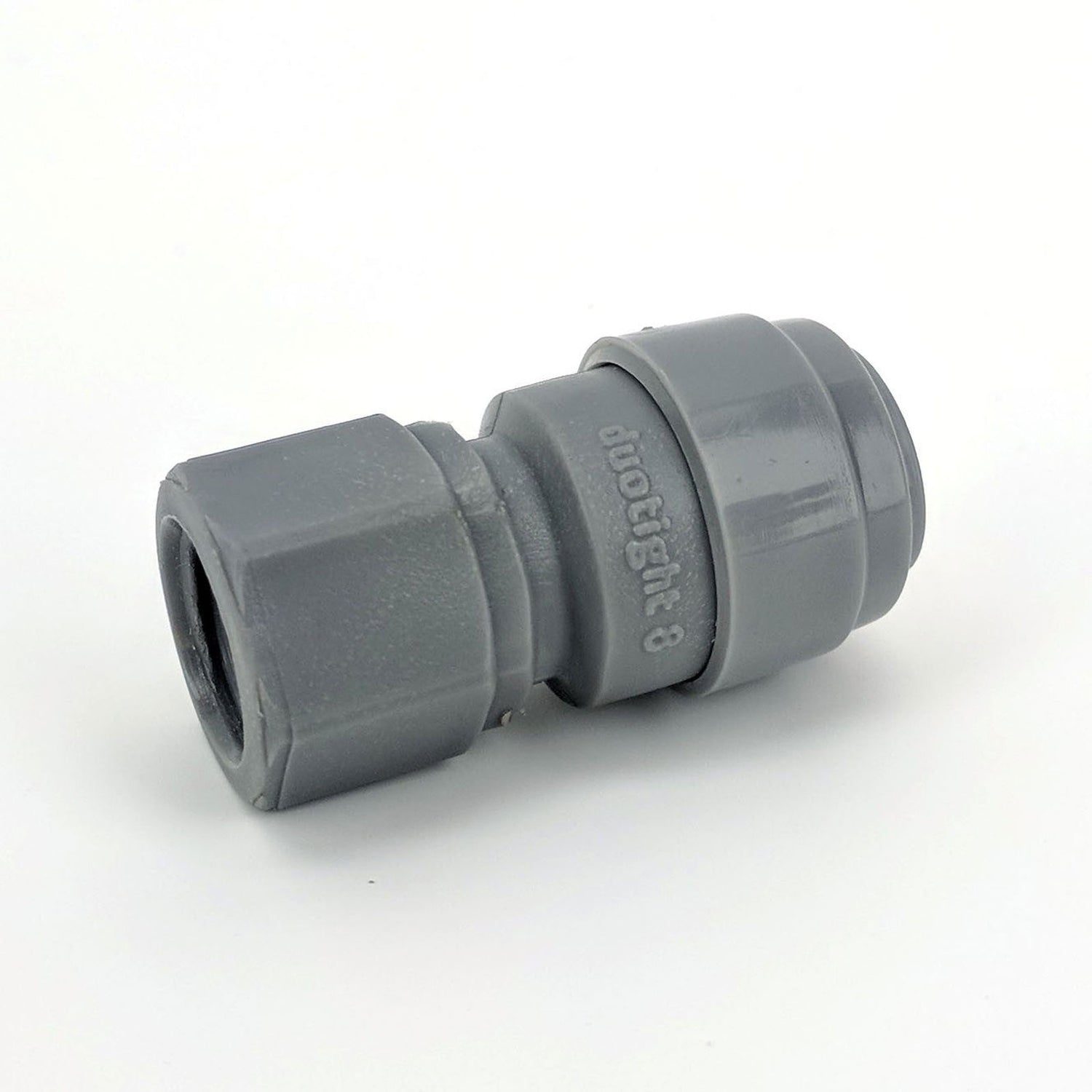
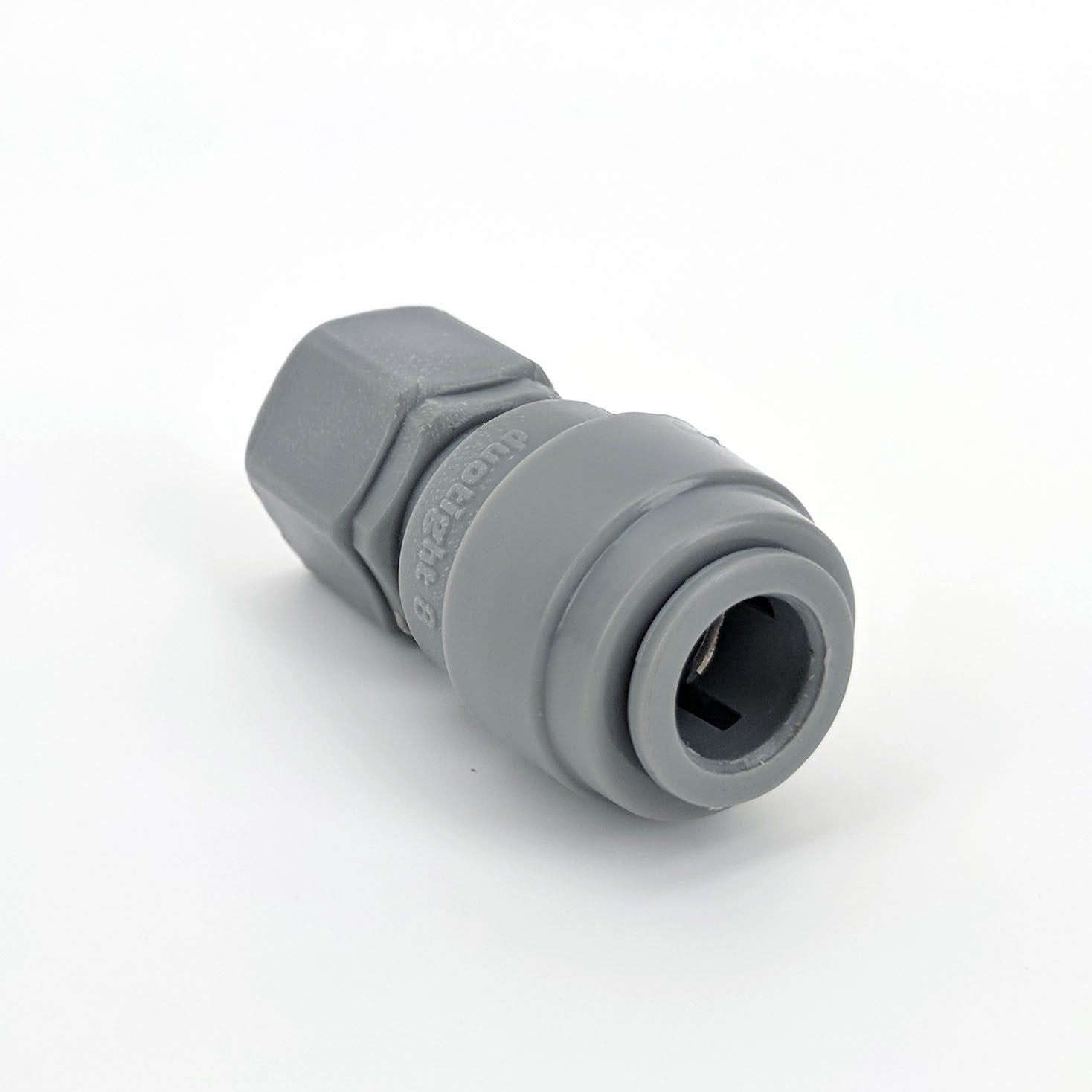
This push in fitting will fit 8mm outer diameter tubing, while the thread on the other end will suit:
- MFL ball lock disconnects
- MKIII and MK4 regulators with MFL output
- Other fittings with MFL thread
No clamps necessary, but we do recommend cutting your hosing straight, not on an angle, to ensure the line has a complete seal. To remove the fitting simply push in the collet and the hose can be removed. These push in fittings are suitable to be used up to 100 psi.


The Emily Metal Wing Bottle Capper is a long lasting, smooth operating, reliable capper made from self-lubricating nylon and is surprisingly strong.
The unique patented design has a gear driven head that makes capping a breeze since less overall force is required. This model is popular with home brewers for several reasons.
Features and Benefits
-
Riveted pivots for heavy usage.
-
Caps American sparkling wine bottles by removing and reversing the metal jaws.
-
For 26.5 mm bottle caps
-
Lighter than metal cappers
-
Wider handles – making it easier to operate.
-
A built in spring allows the capping mechanism to automatically retract when capping is completed.
-
Easy to use. - The built-in magnet allows the cap to be positioned in the capping head and then applied to the bottle rather applying the cap on top of the bottle first.
-
Made by Ferrari in Italy.
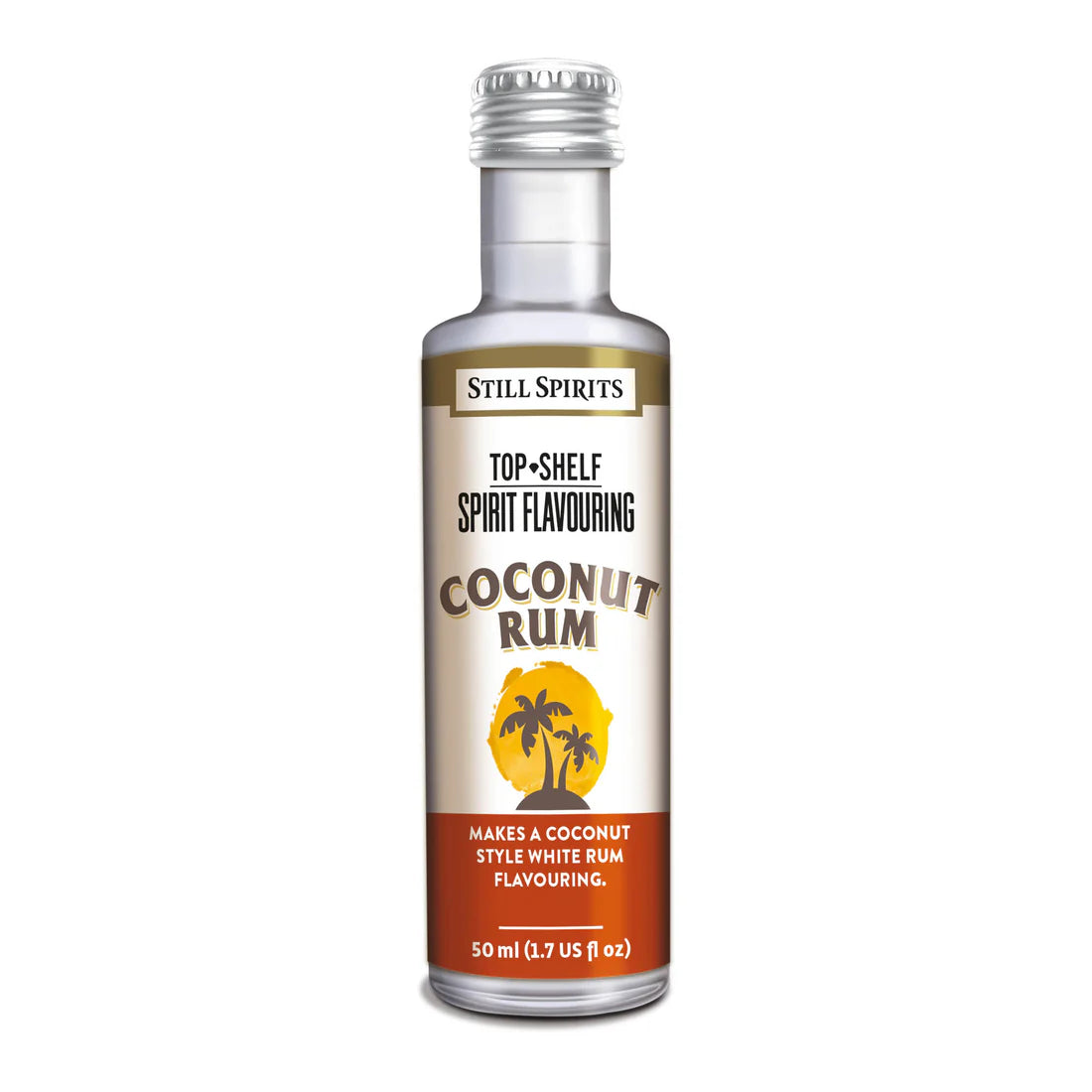
A coconut rum style flavouring. Sweet with prominent notes of coconut. Combine this with a base and neutral spirit or vodka for a taste experience inspired by a top shelf spirit.
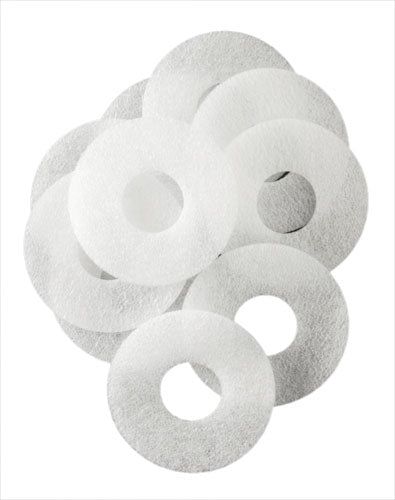
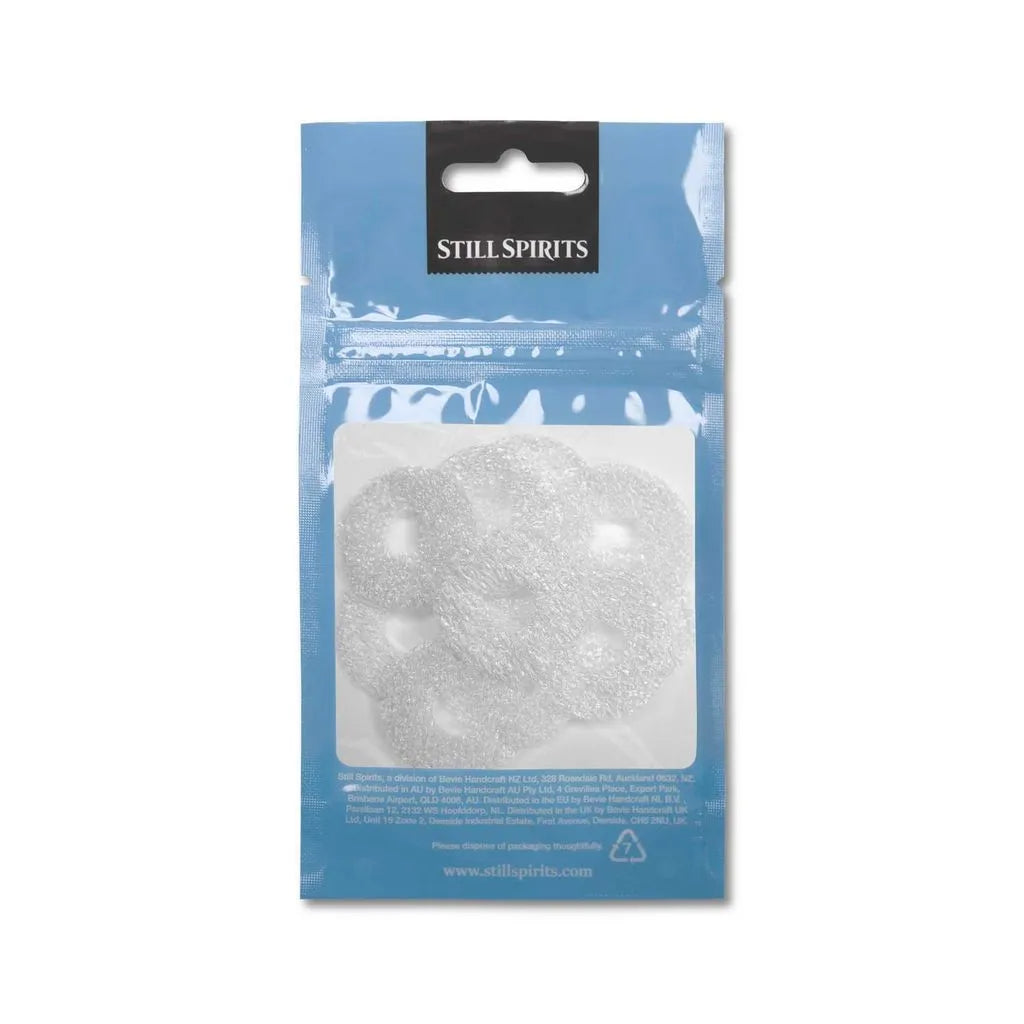
Used in the EZ filter. Use one at each end of the filter cartridge. Replace when washer no longer maintains their normal thickness. Made from Spirit Resistant Polyethylene so it will not taint the spirit.
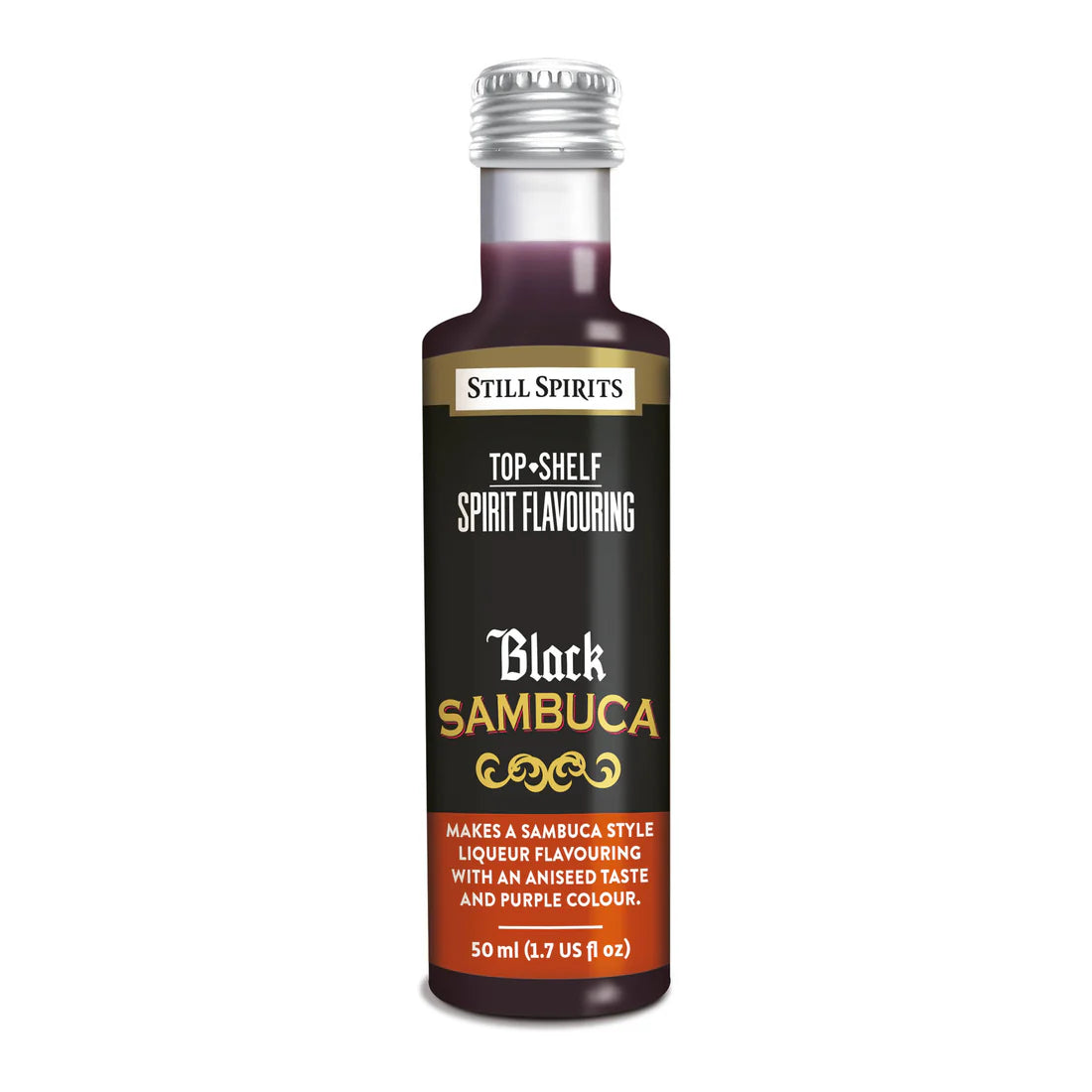
A distinctive purple colour with strong notes of aniseed. Combine this with a base and neutral spirit or vodka for a taste experience inspired by a top shelf spirit.
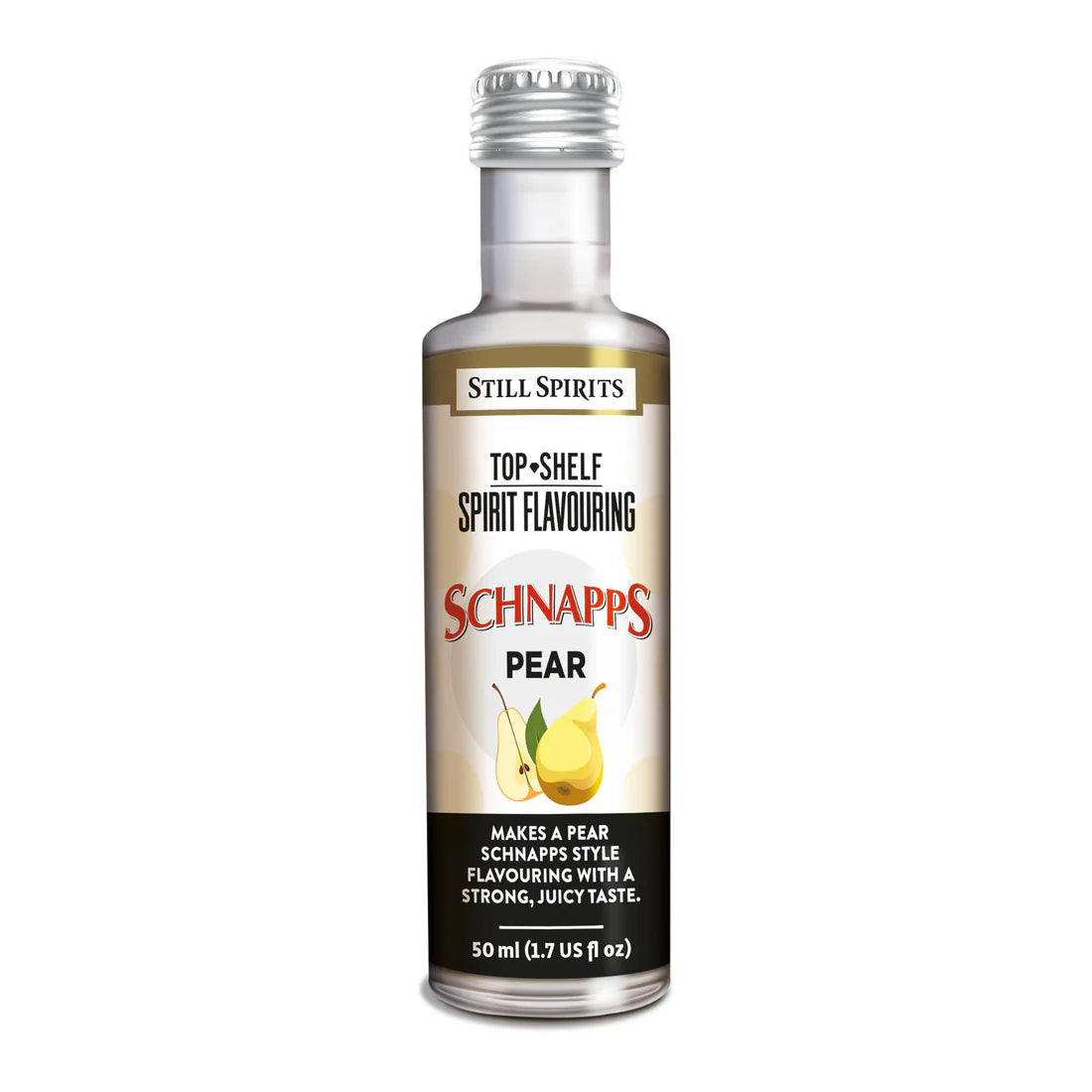
Refreshing with notes of juicy pear. Combine this with a base and neutral spirit or vodka for a taste experience inspired by a top shelf spirit.

A smaller (shorter) 350ml syphon. Perfect to use with smaller fermenters.
The Tubing - 9.5mm ID fits snugly over the racking tube.
Compatible with the 5L Glass Jar Demijohn and 5L Glass Jar Demijohn with Screw Cap/Lid.
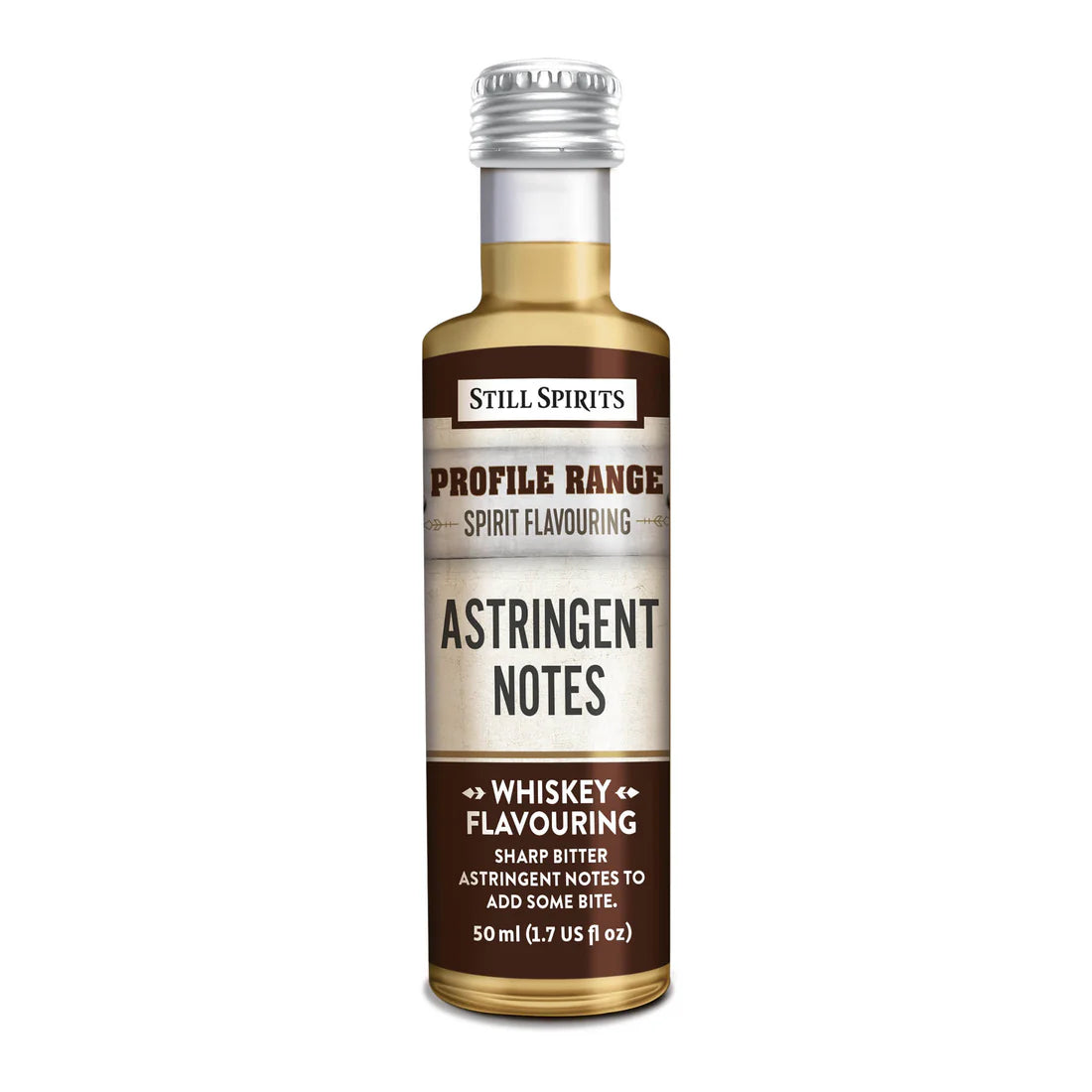
A sharp bitter astringent flavouring to add some bite. A flavouring tailored to allow you to build your own whiskey taste experience when combined with other flavourings from the Profile Range.
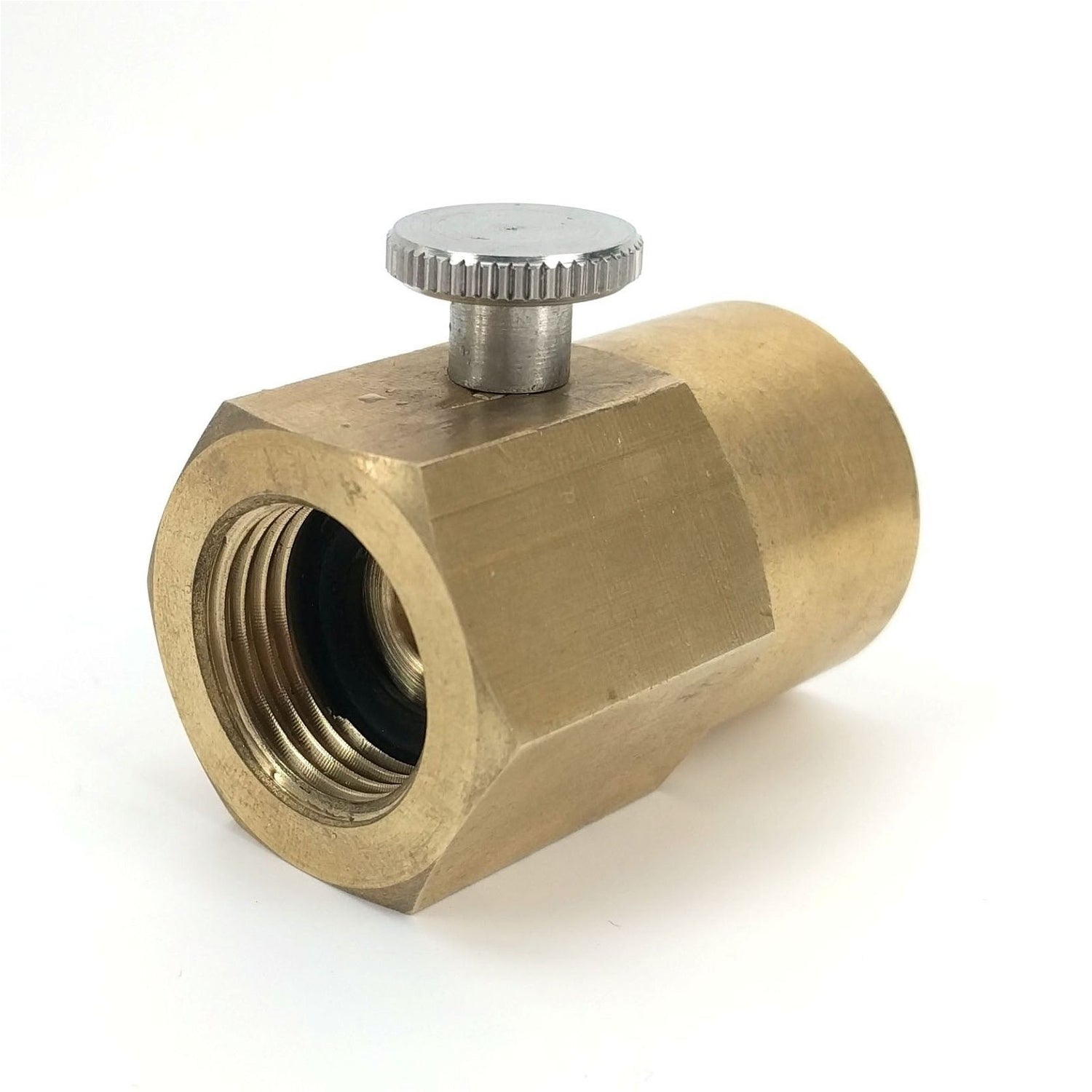
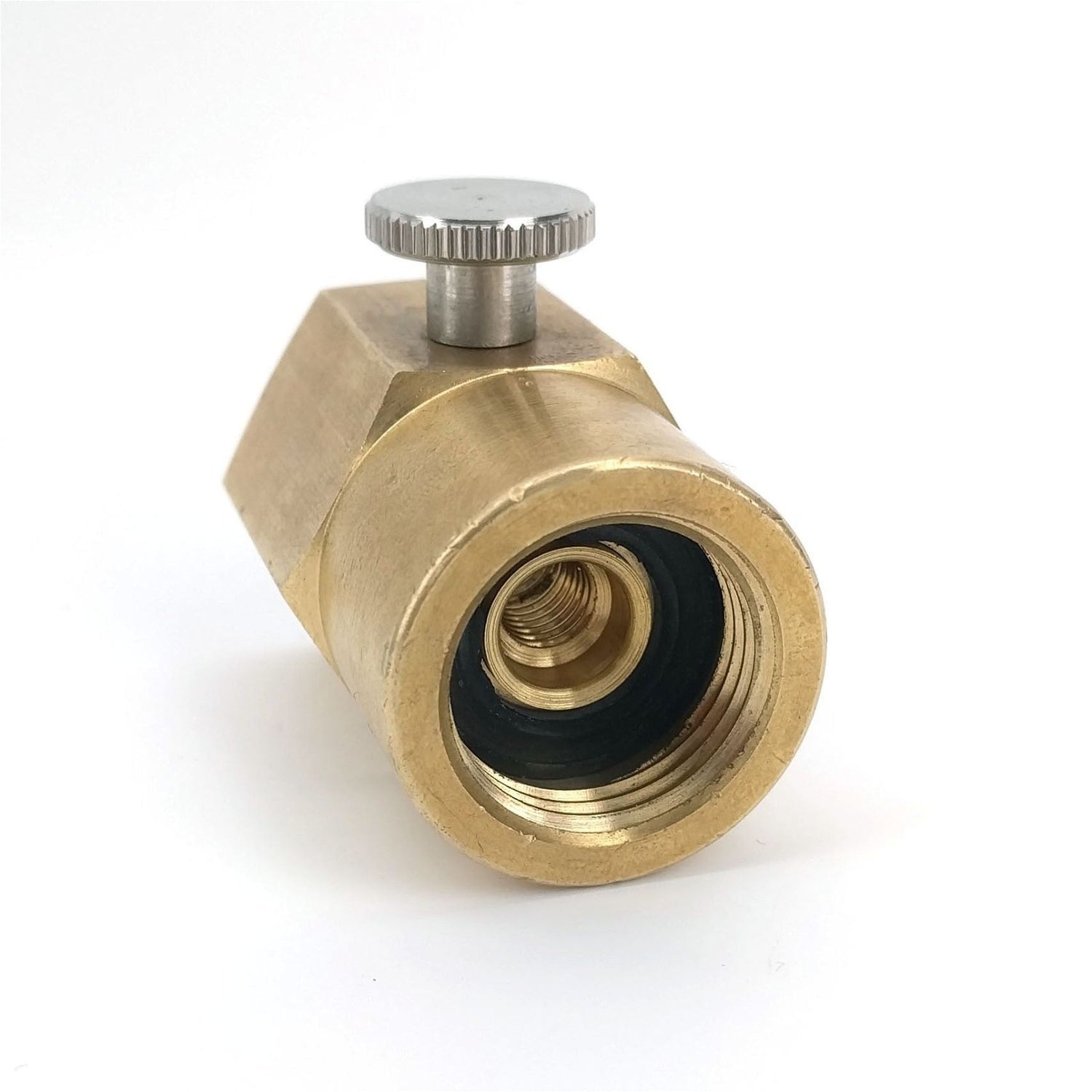
This easy to use SodaStream Cylinder Filling Adaptor will enable you to fill your own CO2 from your larger bulk cylinder into smaller SodaStream cylinders. An easy and inexpensive way to fill your own Sodastream Cylinders at home at a fraction of the cost of getting the refills from your local store.
Note: Does not fit or work with the latest Sodastream cylinders, only older cylinders. The CO2 Cylinder and Sodastream cylinder in the photos is not included.
When using, be sure to following these important points:
1. That the seals goes in the correct location. So when the SodaStream Filling Adaptor arrives, please make sure to use the correct seal in the correct side.
2. Make sure to put the Sodastream cylinder on the correct side. The SodaStream cylinder thread can actually fit both sides of this adaptor, but the CO2 cylinder only fit's into the ROUND SIDE. As a result you MUST put the Sodastream cylinder into the HEXAGONAL SIDE. (as shown in image)

Replacement threaded CO2 cartridge for kegging charger kits and other similar equipment. These premium cartridges are filled with food grade CO2.
Typically you will use about 6g per litre of CO2 for carbonating and/or 6g per litre to dispense.
Size: 16g
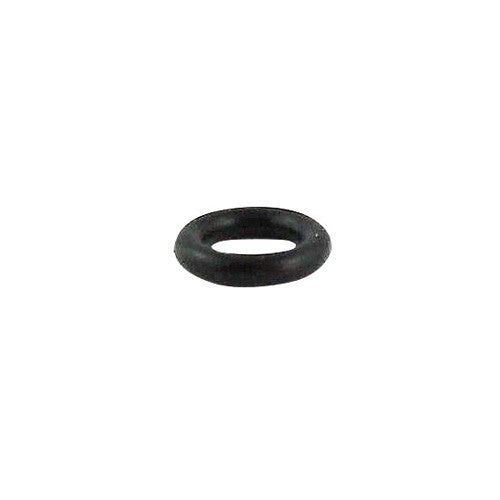

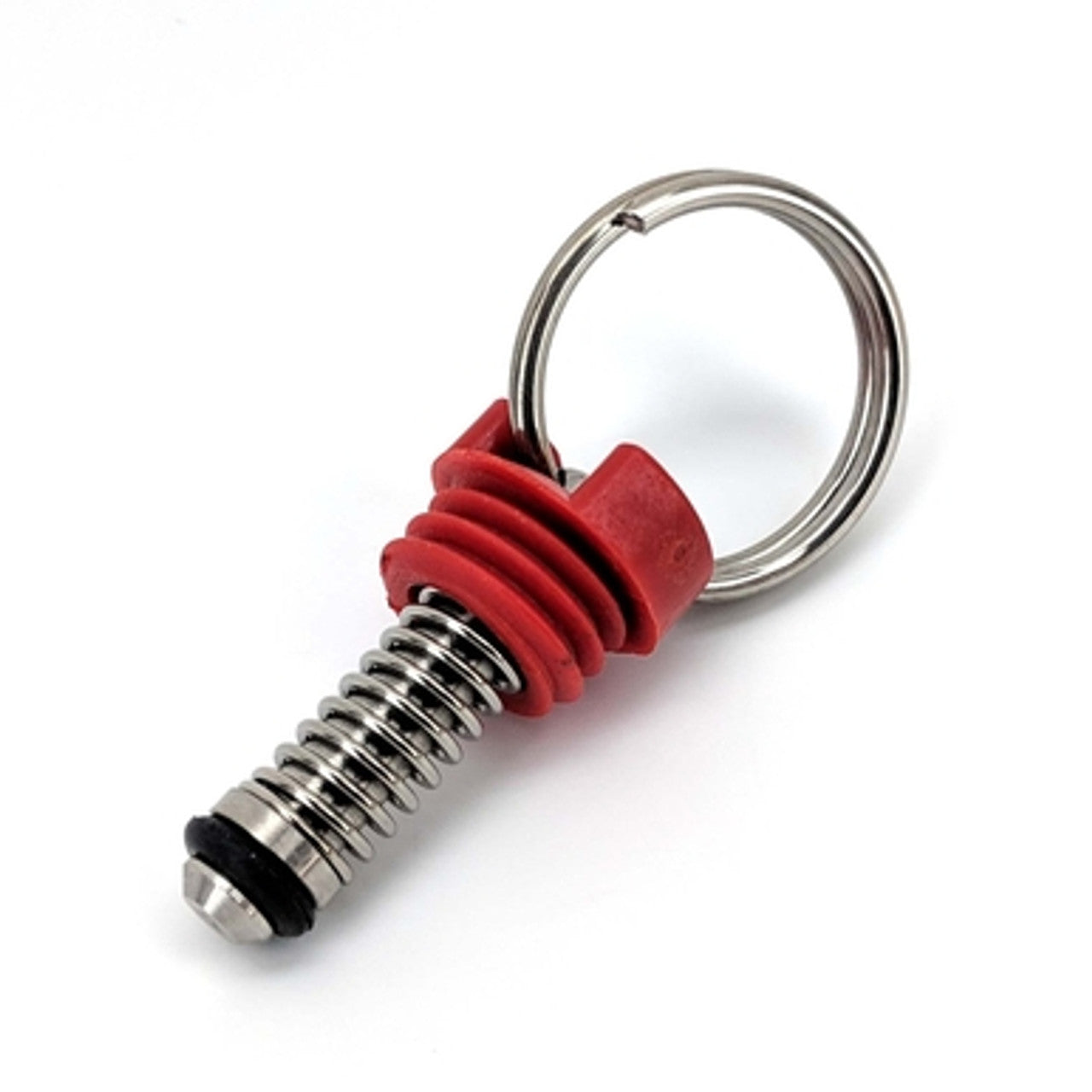
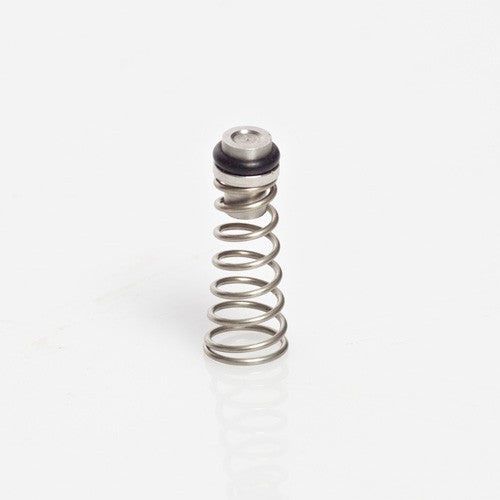
Replacement pressure relief valve (PRV) for corny kegs, MK4 Regulators, and FermZilla Lids.
Now available in three pressure ratings:
Yellow - 17 PSI
Red - 35 PSI
Green - 65 PSI
Grey - 100 PSI
From: Kegland
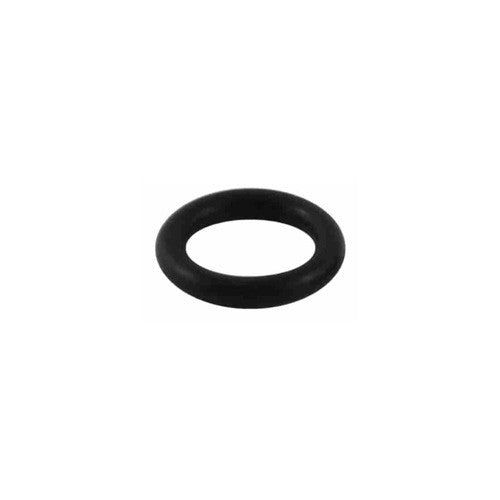
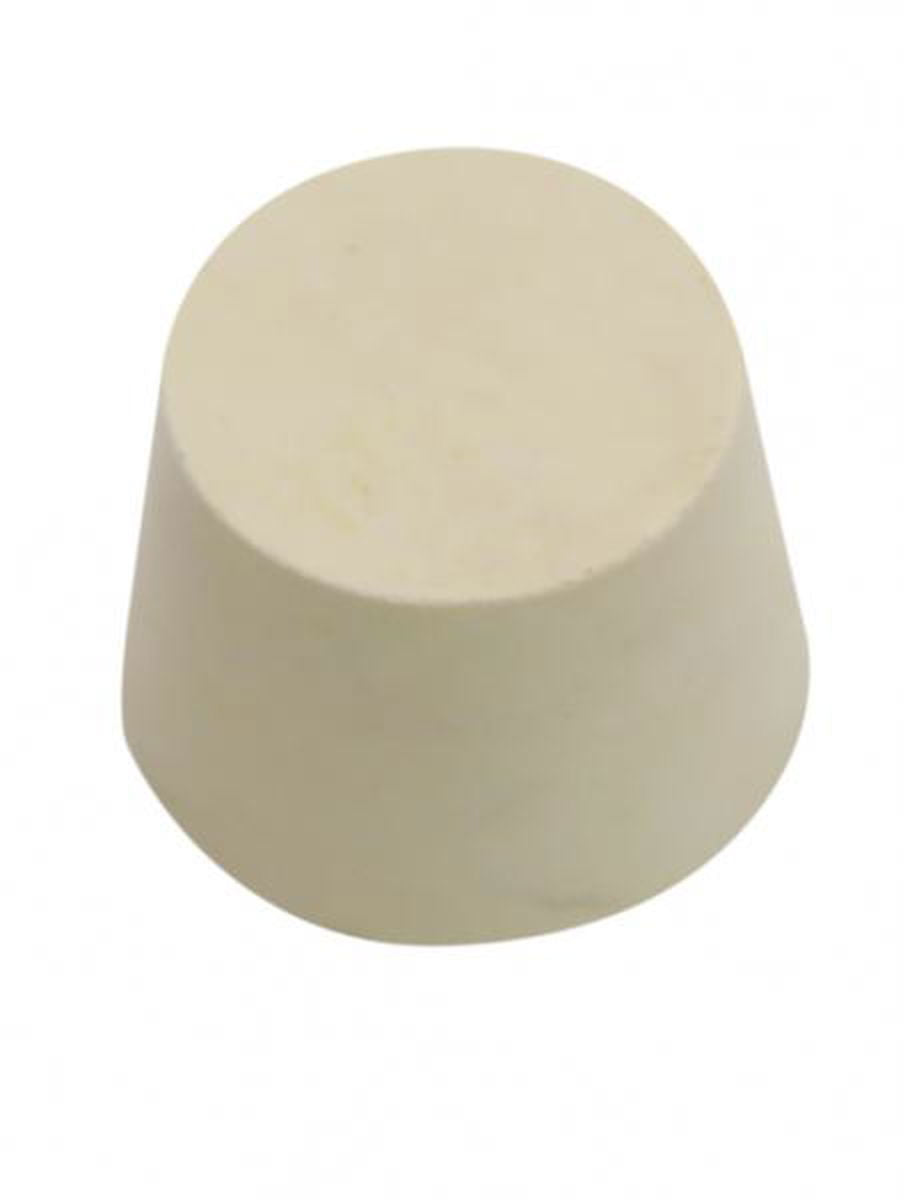
A solid silicon bung with a diameter of 32mm across the top, tapering to a diameter of 28mm at the bottom.
Fits the 5L Glass Jar Demijohn with Mecanicco Swing Lid perfectly allowing an airlock to be attached so it can be used as a fermenter.
Does not fit the 5L Glass Jar Demijohn with Screw Cap/Lid.
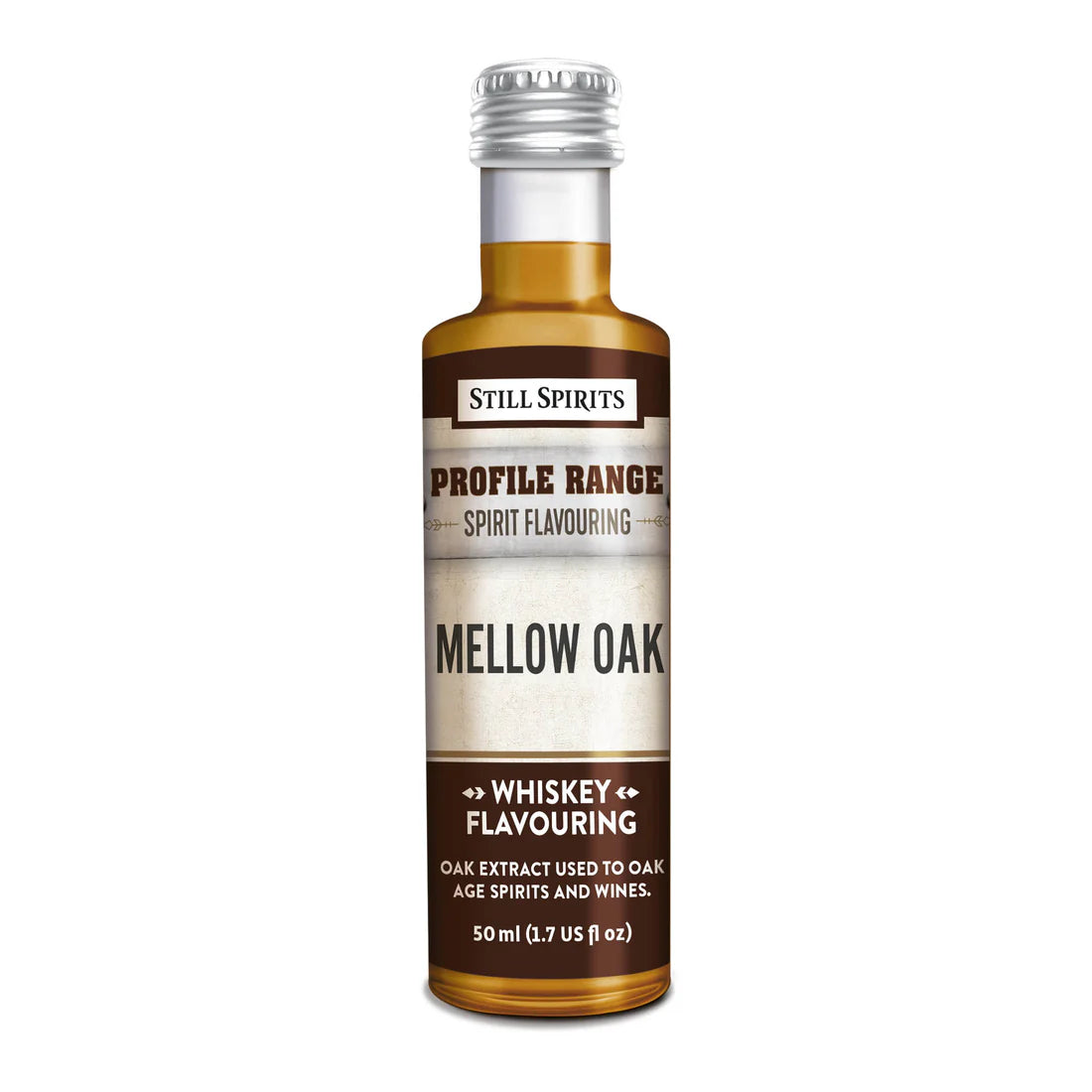
An oak extract flavouring used to oak age spirits and wines. A flavouring tailored to allow you to build your own whiskey taste experience when combined with other flavourings from the Profile Range.
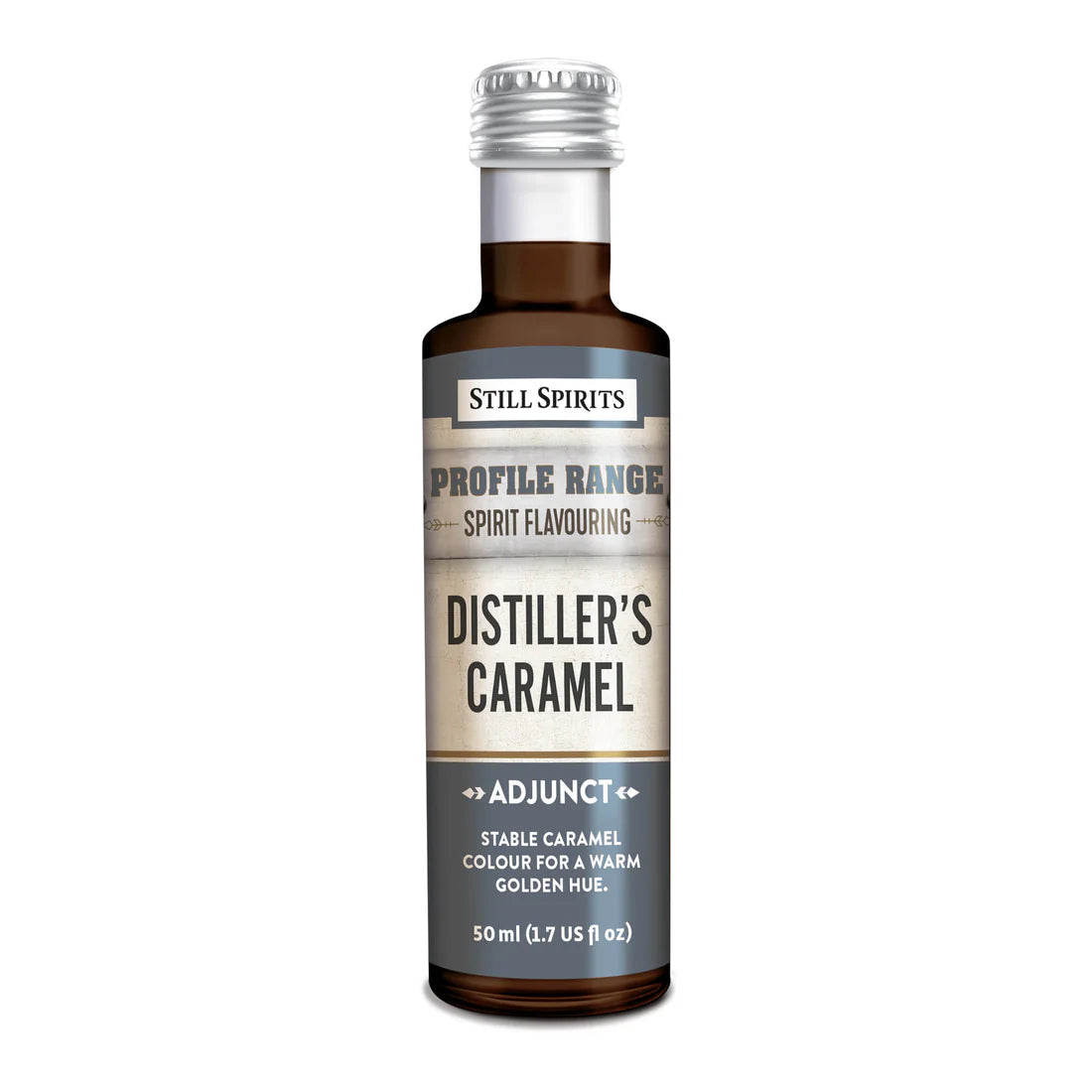
A stable caramel colour, suitable for distilled spirit as it has a negative colloidal charge and imparts a warm golden hue to the spirit. An adjunct tailored to allow you to build your own whiskey taste experience when combined with flavourings from the Profile Range.
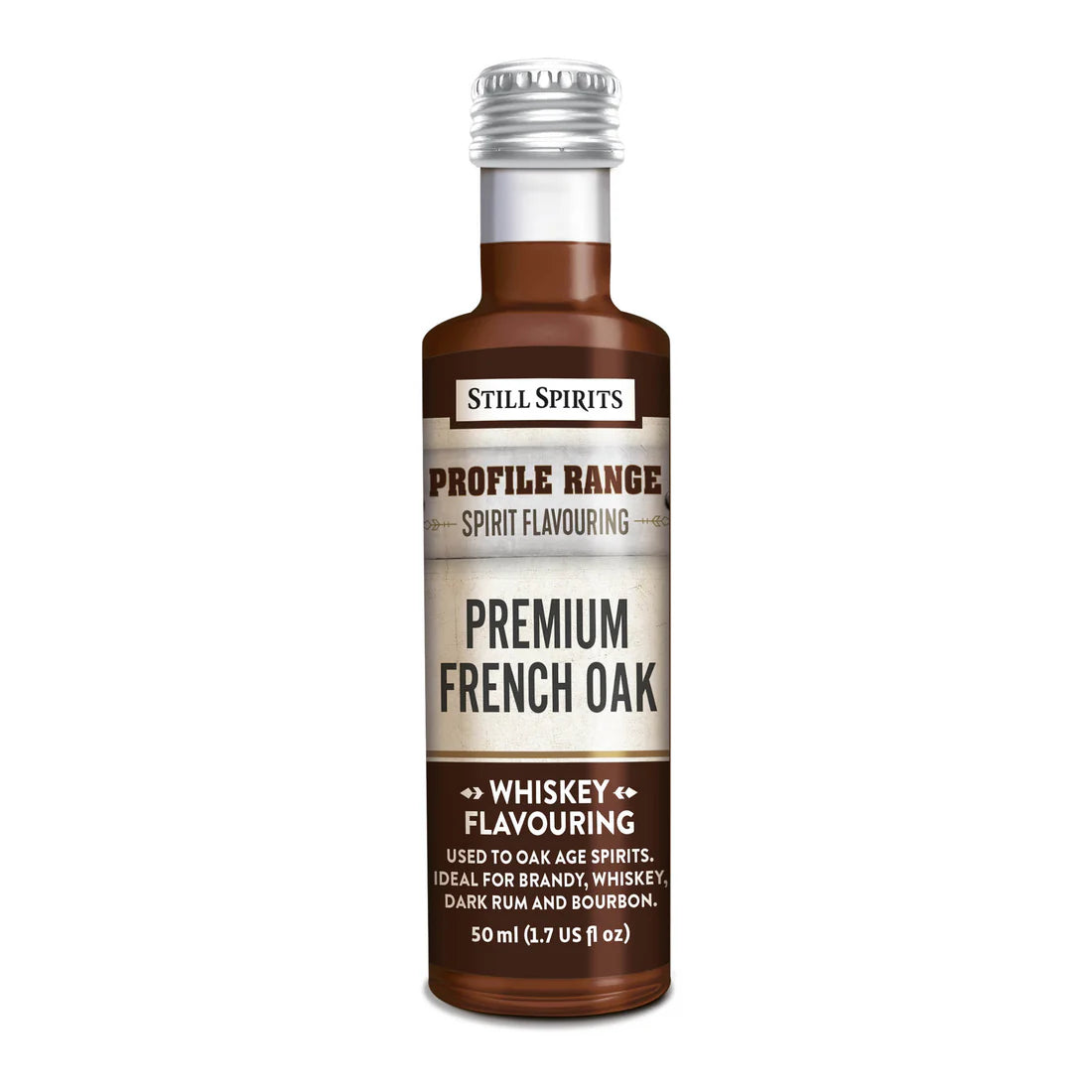
A flavouring used to oak age spirits. Ideal for brandy, whiskey, dark rum and bourbon. A flavouring tailored to allow you to build your own whiskey taste experience when combined with other flavourings from the Profile Range.
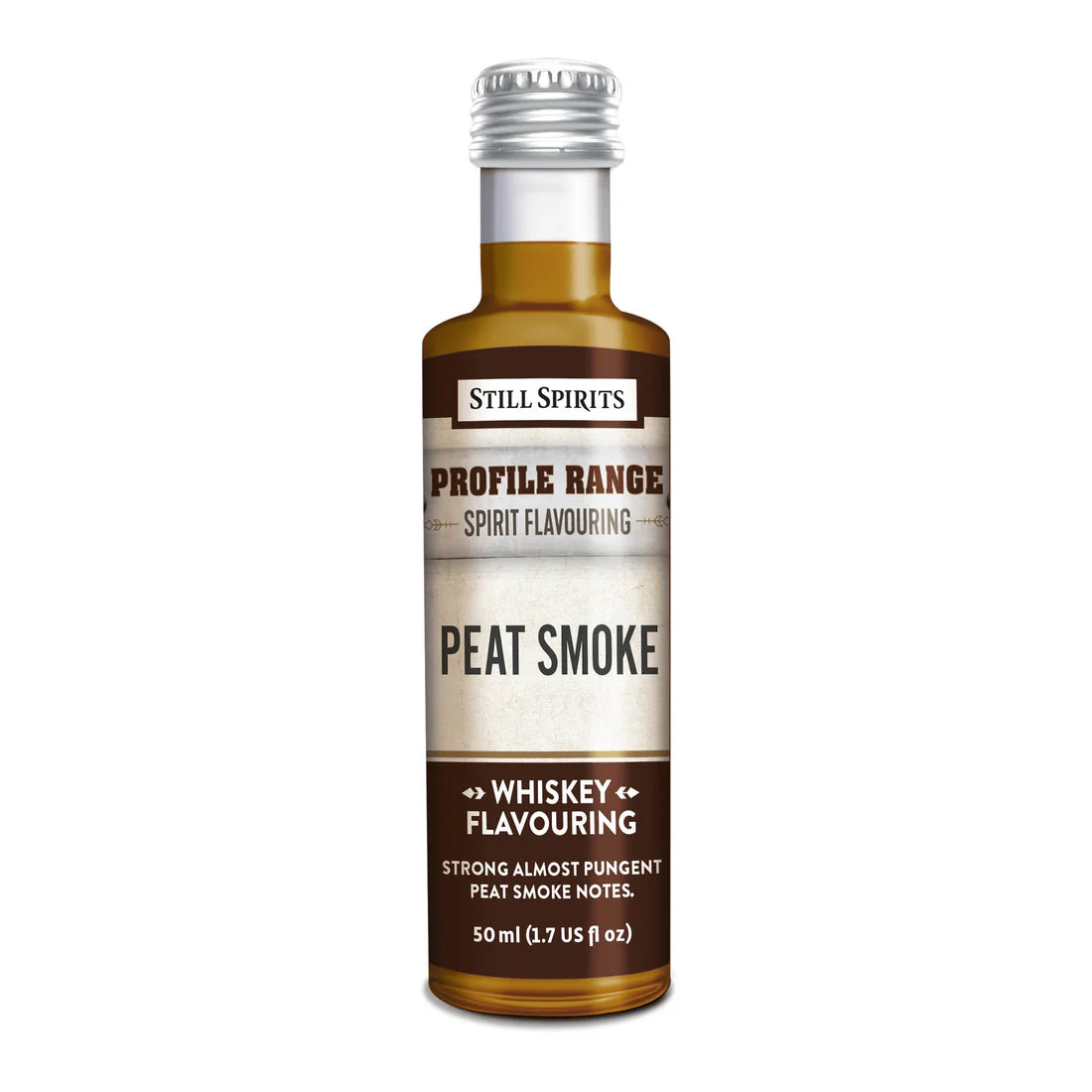
A strong almost pungent peat smoke notes flavouring - a very prominent note in many Scottish Whiskies. A flavouring tailored to allow you to build your own whiskey taste experience when combined with other flavourings from the Profile Range.
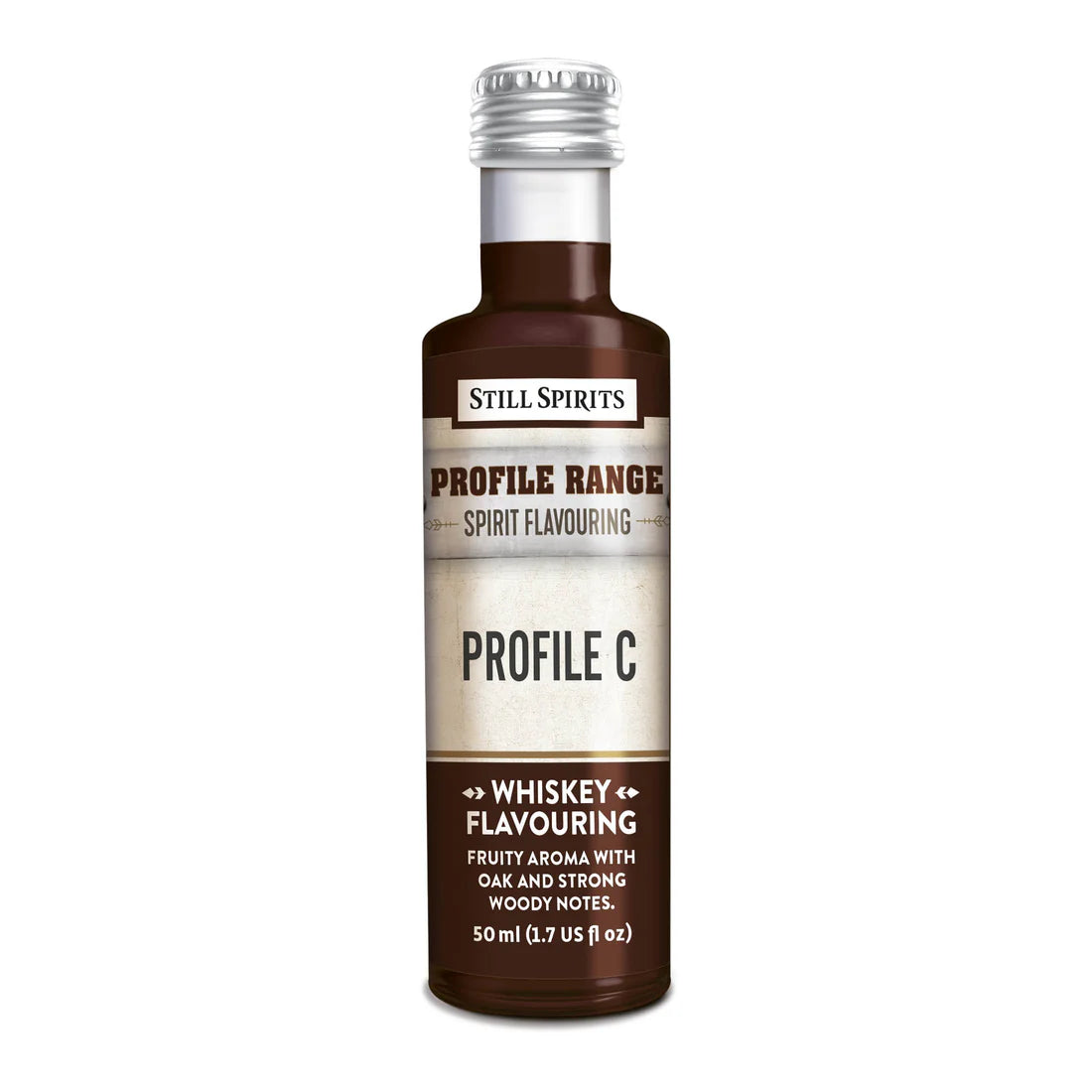
Profile C is a flavouring to build your own whiskey style spirit. A fruity aroma with oak and strong woody notes. A flavouring tailored to allow you to build your own whiskey taste experience when combined with other flavourings from the Profile Range.
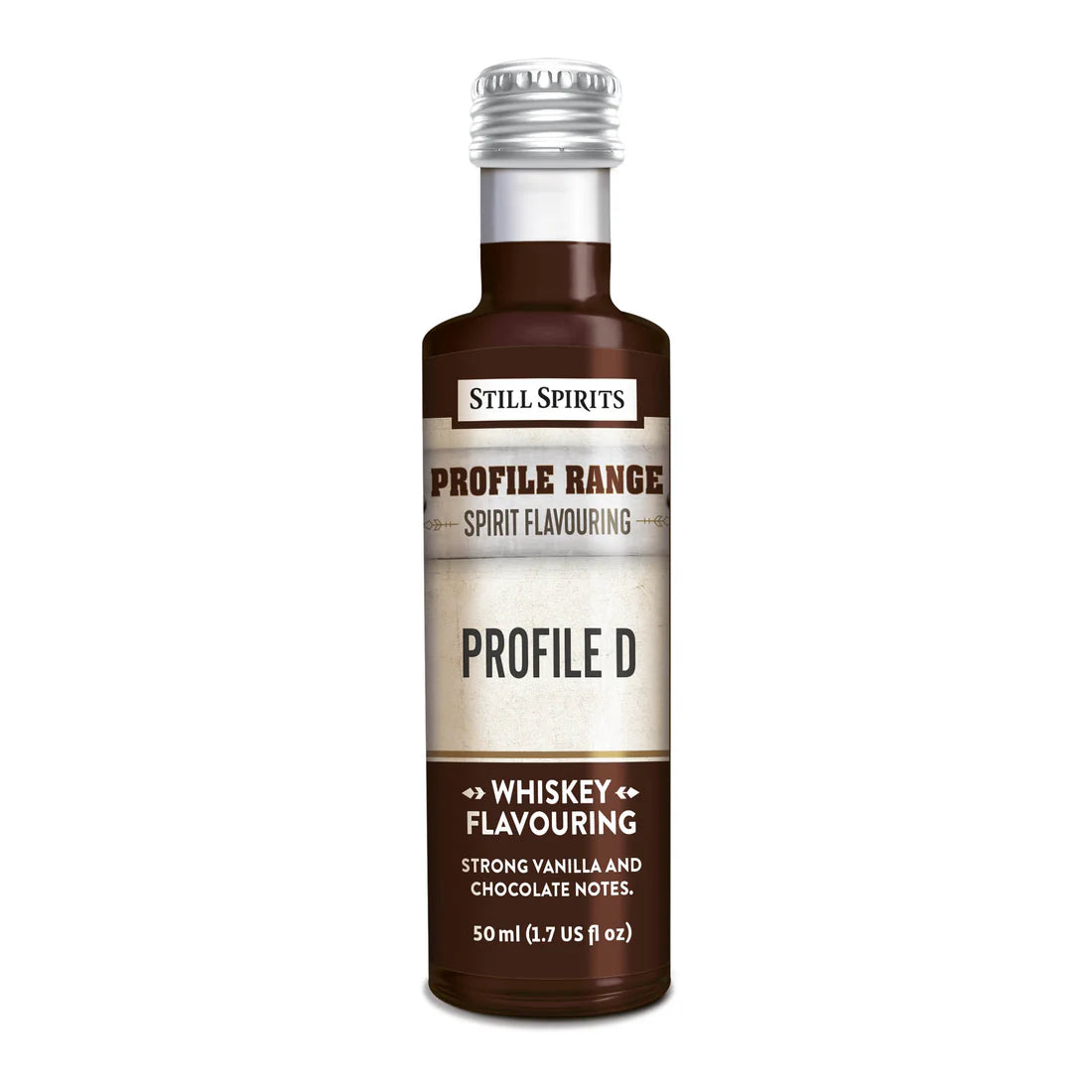
Profile D is a base flavouring to build your own whiskey style spirit. Carrying strong vanilla and chocolate notes. A flavouring tailored to allow you to build your own whiskey taste experience when combined with other flavourings from the Profile Range.
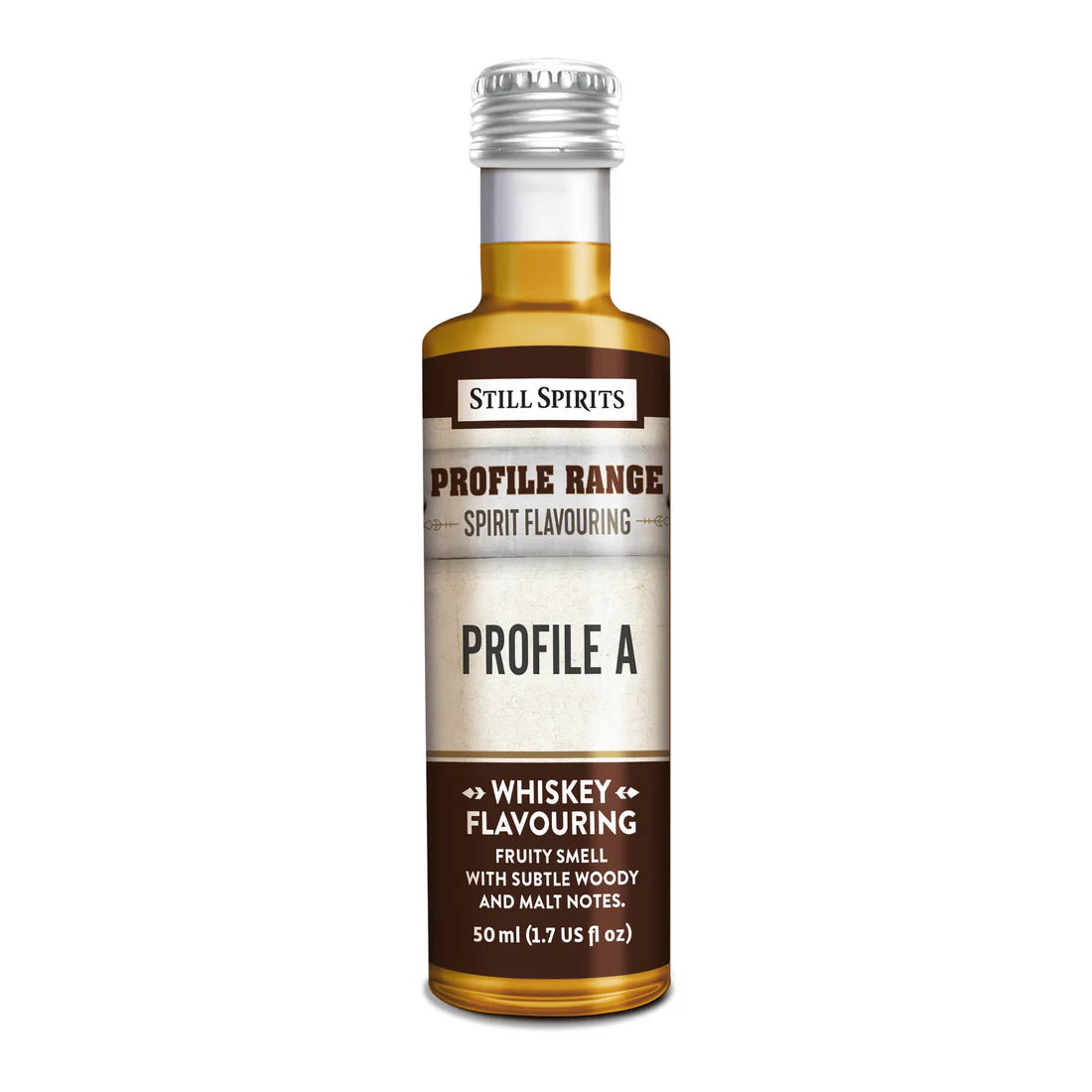
Profile A is a base flavouring to build your own whiskey style spirit. A fruity aroma with subtle woody and malt notes. A flavouring tailored to allow you to build your own whiskey taste experience when combined with other flavourings from the Profile Range.
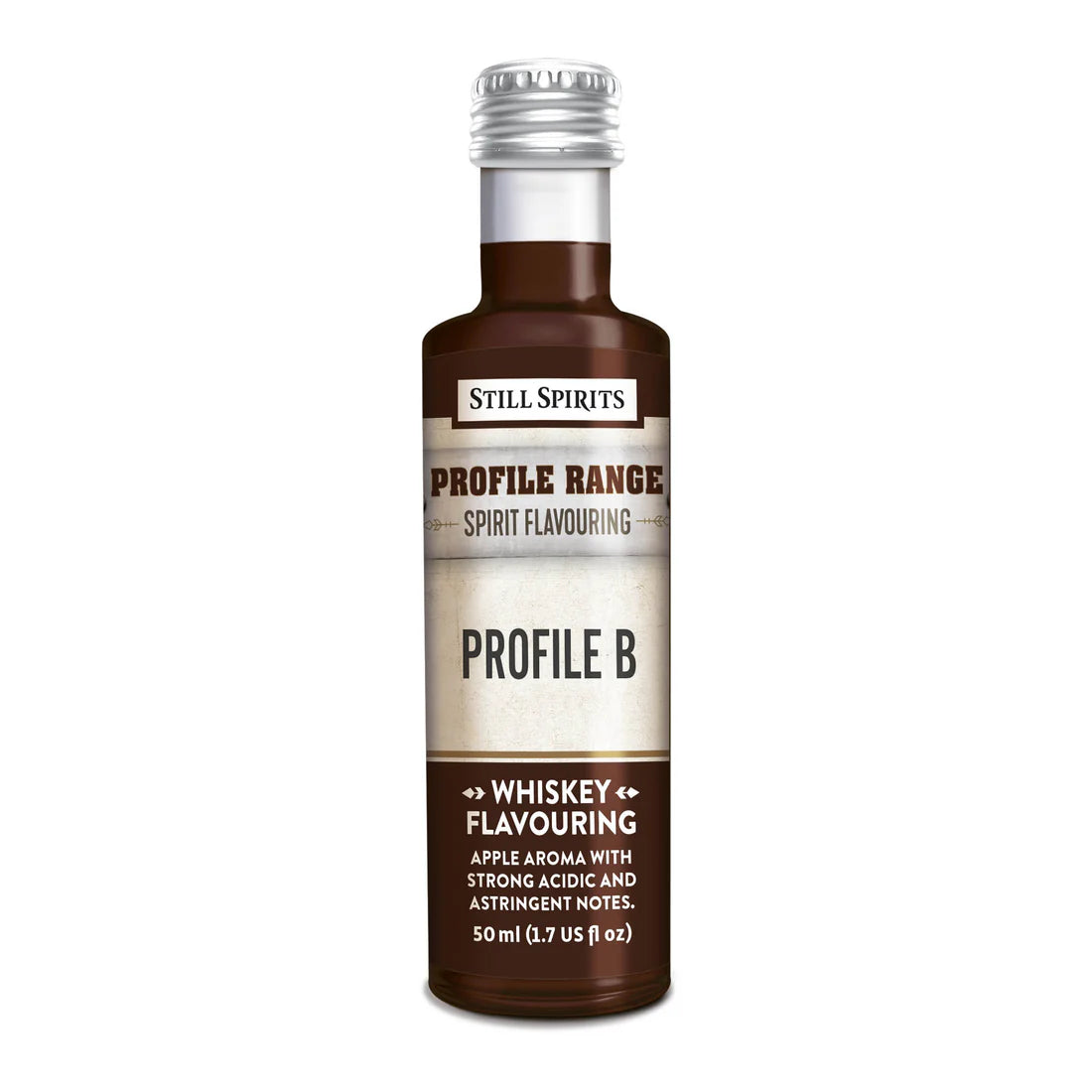
An apple aroma with strong acidic and astringent notes. A flavouring tailored to allow you to build your own whiskey taste experience when combined with other flavourings from the Profile Range.
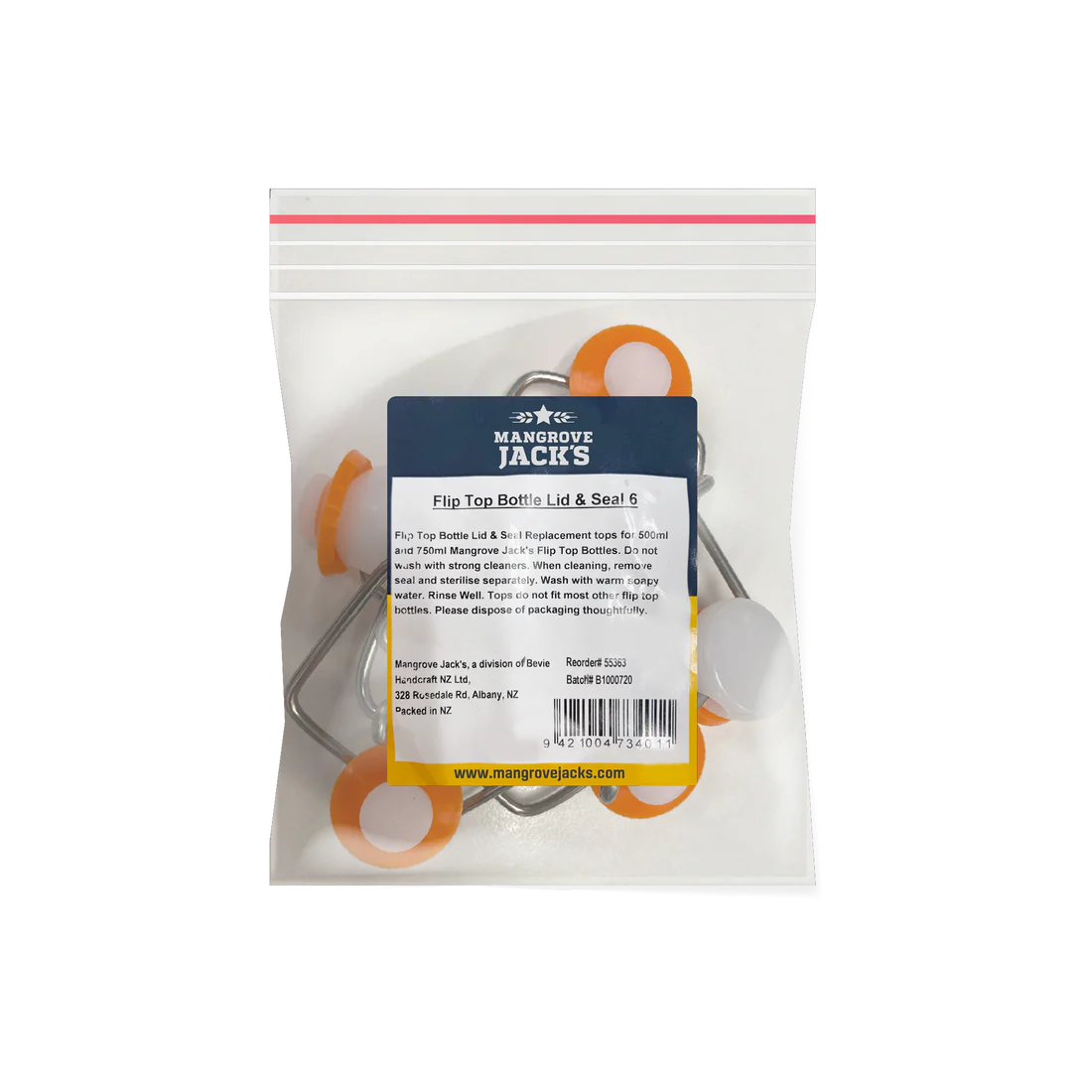
Replacement tops for our 500ml and 750ml Flip Top Bottles.
Do not wash with strong cleaners. When cleaning, remove seal and sterilise separately. Wash with warm soapy water and rinse well.
These tops do not fit most other flip top bottles.