

Sort by:
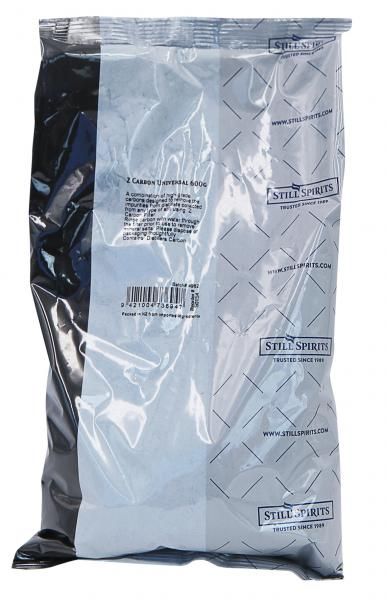
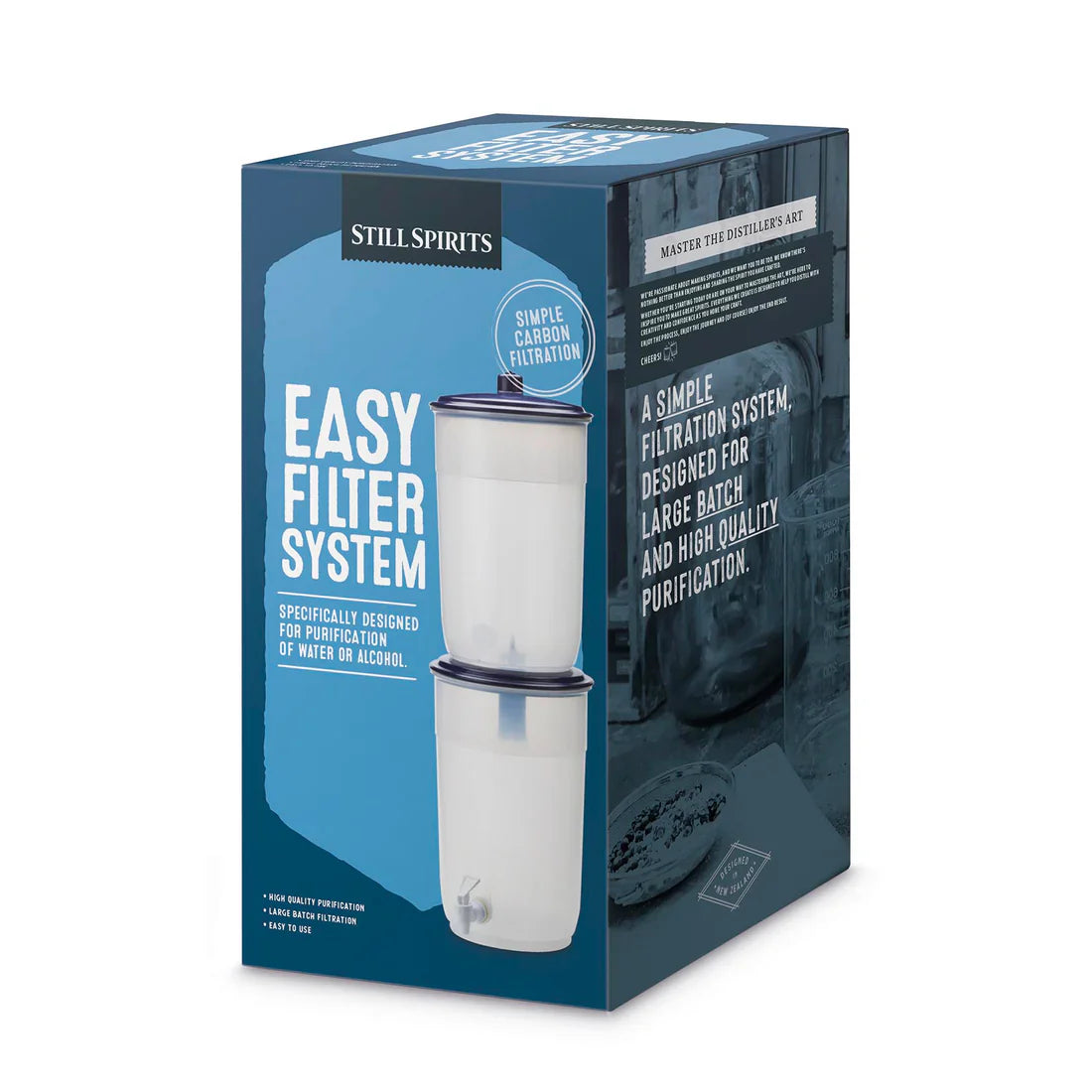
A combination high grade carbons designed to remove the impurities from distillate collected from any type of still using the Z carbon Filter.
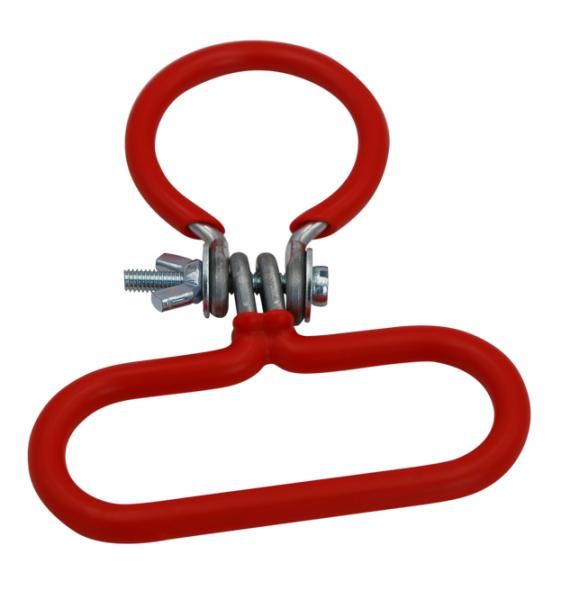
The Demijohn Handle makes it easier to move your full Demijohn/Carboy, reducing the risk of spillage.
It works with both the 23L Carboy and 11.5L Carboy.
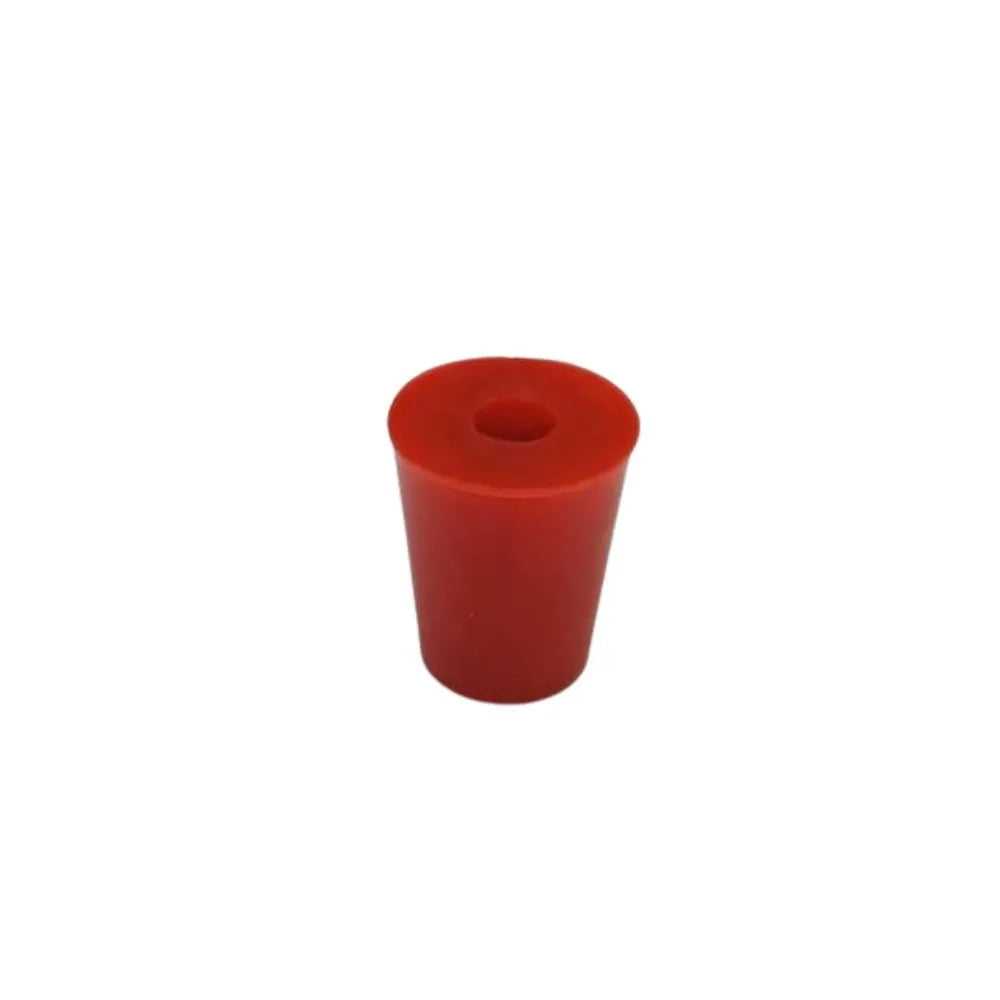
A bored bung that tapers from 26mm across the top to 19mm across the bottom. Fits the Mangrove Jacks 25L Stainless Steel Fermenter.
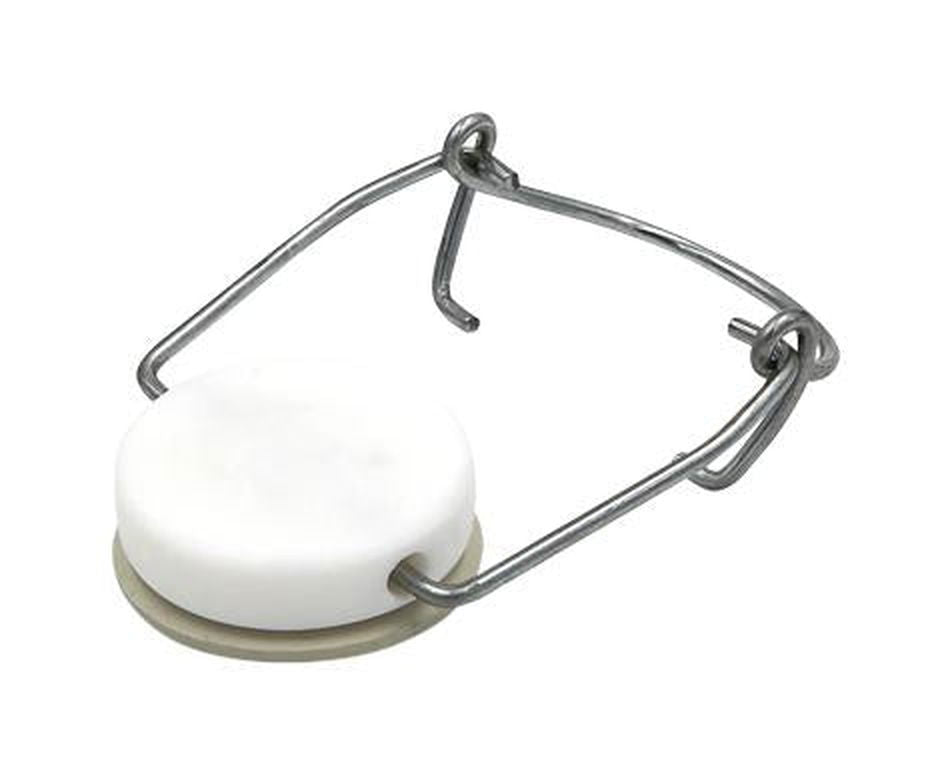
A replacement mecanicco swing lid for the 5L Glass Jar Demijohn with mecanicco Swing Lid. Not suitable for the 5L Glass Jar Demijohn with Screw Cap/Lid.

The ATF Oatmeal Stout is smooth and rich with creamy roasted coffee and chocolate on top of nutty dark toffee and a full malt base with an underlying fruitiness. A complex and extremely satisfying beer.
Yeast is not included in the kit. We recommend using Mangrove Jack's Liberty Bell yeast.

The ATF Oatmeal Stout is smooth and rich with creamy roasted coffee and chocolate on top of nutty dark toffee and a full malt base with an underlying fruitiness. A complex and extremely satisfying beer.
Yeast is not included in the kit. We recommend using Mangrove Jack's Liberty Bell yeast.

ATF Alchemy IPA showcases the best of New Zealand hops and transforms them into something magical. With tropical passionfruit up front blending magically with a range of citrus, stone fruit, and resinous pine, sitting on top of a solid malt base with a light biscuit character, it is a wonder to behold.
Yeast is not included in the kit. We recommend using Froth Buddy (Assumed Origin: Sierra Nevada), or Lallemand's BRY-97 West Coast Ale Yeast. You could also try Safale US-05, Lallemand Nottingham High Performance Ale Yeast, or Mangrove Jack's West Coast Yeast.
This recipe employs whirlpool hopping at a set temperature of 65℃ for 60 minutes. If you are unable to maintain a 65℃ whirlpool for 60 minutes you may wish to try the hot whirlpool version.

ATF Alchemy IPA showcases the best of New Zealand hops and transforms them into something magical. With tropical passionfruit up front blending magically with a range of citrus, stone fruit, and resinous pine, sitting on top of a solid malt base with a light biscuit character, it is a wonder to behold.
Yeast is not included in the kit. We recommend using Froth Buddy (Assumed Origin: Sierra Nevada), or Lallemand's BRY-97 West Coast Ale Yeast. You could also try Safale US-05, Lallemand Nottingham High Performance Ale Yeast, or Mangrove Jack's West Coast Yeast.

ATF Alchemy IPA showcases the best of New Zealand hops and transforms them into something magical. With tropical passionfruit up front blending magically with a range of citrus, stone fruit, and resinous pine, sitting on top of a solid malt base with a light biscuit character, it is a wonder to behold.
Yeast is not included in the kit. We recommend using Froth Buddy (Assumed Origin: Sierra Nevada), or Lallemand's BRY-97 West Coast Ale Yeast. You could also try Safale US-05, Lallemand Nottingham High Performance Ale Yeast, or Mangrove Jack's West Coast Yeast.

A deep reddish-copper brown colour, the ATF Belgian Dubbel is a moderately strong, malty, complex ale with rich malty flavours with hints of caramel, and dried fruits.
Underpinning the rich malt is a complex range of fruity esters (plum, raisin, cherry, pear, apple, and banana), which blend beautifully with light spicy phenols (such as clove and pepper) and higher alcohols.
The rich malt and alcohol give the beer a medium - full mouthfeel, although it still finishes fairly dry.
Yeast is not included in the kit. We recommend using Mangrove Jack's Belgian Tripel yeast or you could also try Fermentis SafAle BE-256 or Lallemand Abbaye.

A deep reddish-copper brown colour, the ATF Belgian Dubbel is a moderately strong, malty, complex ale with rich malty flavours with hints of caramel, and dried fruits.
Underpinning the rich malt is a complex range of fruity esters (plum, raisin, cherry, pear, apple, and banana), which blend beautifully with light spicy phenols (such as clove and pepper) and higher alcohols.
The rich malt and alcohol give the beer a medium - full mouthfeel, although it still finishes fairly dry.
Yeast is not included in the kit. We recommend using Mangrove Jack's Belgian Tripel yeast or you could also try Fermentis SafAle BE-256 or Lallemand Abbaye.

The ATF Belgian Blonde is easy drinking with a low, but pleasing hop bitterness. It has a target ABV of 7.3%, with subtle restrained spicy, fruity, and alcohol flavours supported by a grainy, slightly sweet Pilsner malt character and pleasant noble hop flavour and aroma. High carbonation and a medium body can contribute to a slightly creamy overall mouthfeel.
This beer will benefit from a two week (or more) period of cold conditioning.
Yeast is not included in the kit. We recommend using Mangrove Jack's Belgian Ale yeast, or you could also try Fermentis SafAle BE-256 or Lallemand Abbaye.

The ATF Belgian Blonde is easy drinking with a low, but pleasing hop bitterness. It has a target ABV of 7.3%, with subtle restrained spicy, fruity, and alcohol flavours supported by a grainy, slightly sweet Pilsner malt character and pleasant noble hop flavour and aroma. High carbonation and a medium body can contribute to a slightly creamy overall mouthfeel.
This beer will benefit from a two week (or more) period of cold conditioning.
Yeast is not included in the kit. We recommend using Mangrove Jack's Belgian Ale yeast, or you could also try Fermentis SafAle BE-256 or Lallemand Abbaye.

With the aroma of sweet crema brewed from freshly roasted coffee on top of subtle chocolate and nutty dark fruit caramel flavours, the ATF Velveteen Stout is a revelation.
Unlike a traditional dry stout, the ATF Velveteen Stout has no acrid bitterness or astringency from the use of large amounts of traditional dark malts.
It has a full malt backbone and a creamy velvety mouthful with sufficient hop bitterness to ensure it isn’t too sweet and leave you wanting more.
Yeast is not included in the kit. We recommend using Froth Rudeboy (Assumed Origin: Youngs Brewery) or Mangrove Jack's Empire Ale yeast. You could also try Mangrove Jack's Liberty Bell yeast.
With the aroma of sweet crema brewed from freshly roasted coffee on top of subtle chocolate and nutty dark fruit caramel flavours, the ATF Velveteen Stout is a revelation.
Unlike a traditional dry stout, the ATF Velveteen Stout has no acrid bitterness or astringency from the use of large amounts of traditional dark malts.
It has a full malt backbone and a creamy velvety mouthful with sufficient hop bitterness to ensure it isn’t too sweet and leave you wanting more.
Yeast is not included in the kit. We recommend using Froth Rudeboy (Assumed Origin: Youngs Brewery) or Mangrove Jack's Empire Ale yeast. You could also try Mangrove Jack's Liberty Bell yeast.


Panhead Supercharger is an award winning beer that is extremely popular. Panhead describes the beer as follows:
Hops are where it starts for the born-again craft head and Supercharger APA is where Panhead delivers. This is an all-American show with Centennial, Citra and Simcoe overwhelming your nose, kicking you in the taste buds and departing with more bitterness than a Palm Springs divorce. It's a seriously addictive combination.
The ATF Supercharger Clone is our recipe to replicate this much loved beer.
Yeast is not included in the kit. We recommend using Froth Buddy (Assumed Origin: Sierra Nevada), or Lallemand's BRY-97 West Coast Ale Yeast. You could also try Safale US-05, Lallemand Nottingham High Performance Ale Yeast, or Mangrove Jack's West Coast Yeast.
This recipe employs whirlpool hopping at a set temperature of 65℃ for 60 minutes. If you are unable to maintain a 65℃ whirlpool for 60 minutes you may wish to try the hop burst version.


Panhead Supercharger is an award winning beer that is extremely popular. Panhead describes the beer as follows:
Hops are where it starts for the born-again craft head and Supercharger APA is where Panhead delivers. This is an all-American show with Centennial, Citra and Simcoe overwhelming your nose, kicking you in the taste buds and departing with more bitterness than a Palm Springs divorce. It's a seriously addictive combination.
The ATF Supercharger Clone is our recipe to replicate this much loved beer.
Yeast is not included in the kit. We recommend using Froth Buddy (Assumed Origin: Sierra Nevada), or Lallemand's BRY-97 West Coast Ale Yeast. You could also try Safale US-05, Lallemand Nottingham High Performance Ale Yeast, or Mangrove Jack's West Coast Yeast.


Panhead Supercharger is an award winning beer that is extremely popular. Panhead describes the beer as follows:
Hops are where it starts for the born-again craft head and Supercharger APA is where Panhead delivers. This is an all-American show with Centennial, Citra and Simcoe overwhelming your nose, kicking you in the taste buds and departing with more bitterness than a Palm Springs divorce. It's a seriously addictive combination.
The ATF Supercharger Clone is our recipe to replicate this much loved beer.
Yeast is not included in the kit. We recommend using Froth Buddy (Assumed Origin: Sierra Nevada), or Lallemand's BRY-97 West Coast Ale Yeast. You could also try Safale US-05, Lallemand Nottingham High Performance Ale Yeast, or Mangrove Jack's West Coast Yeast.

American Amber Ales are an amber, hoppy, moderate-strength craft beer with a caramel malty flavour. The balance can vary quite a bit, with some versions being fairly malty and others being aggressively hoppy.
ATF Hop Head Red is a malty hoppy beer with a beautiful red hue. It has a wonderful mix of citrus flavours and aromas (grapefruit, orange, lime) on top of a luscious malty caramel base with hints of dark fruits. With a full mouthfeel and sufficient bitterness to balance the caramel sweetness it is the perfect marriage of malt and hops.
Yeast is not included in the kit. We recommend using Mangrove Jack's Liberty Bell Yeast.
This recipe employs whirlpool hopping at a set temperature of 65℃ for 60 minutes. If you are unable to maintain a 65℃ whirlpool for 60 minutes you may wish to try the hop burst version.
American Amber Ales are an amber, hoppy, moderate-strength craft beer with a caramel malty flavour. The balance can vary quite a bit, with some versions being fairly malty and others being aggressively hoppy.
ATF Hop Head Red is a malty hoppy beer with a beautiful red hue. It has a wonderful mix of citrus flavours and aromas (grapefruit, orange, lime) on top of a luscious malty caramel base with hints of dark fruits. With a full mouthfeel and sufficient bitterness to balance the caramel sweetness it is the perfect marriage of malt and hops.
Yeast is not included in the kit. We recommend using Mangrove Jack's Liberty Bell Yeast.

Infusion spirals provide simple and fast extraction of oak aroma and flavour at a fraction of the price of a barrel. They are also really easy to add to bottles or a carboy and remove afterwards, there is no need to filter out chips. These can used in spirits, wine, beer and cider.
Wine: Use 1 spiral per 11 to 23 L for 6 weeks or until desired flavour is achieved.
Beer, spirits and cider: Use 1 spiral per 11 L for 3 - 6 weeks or until desired flavour is achieved.
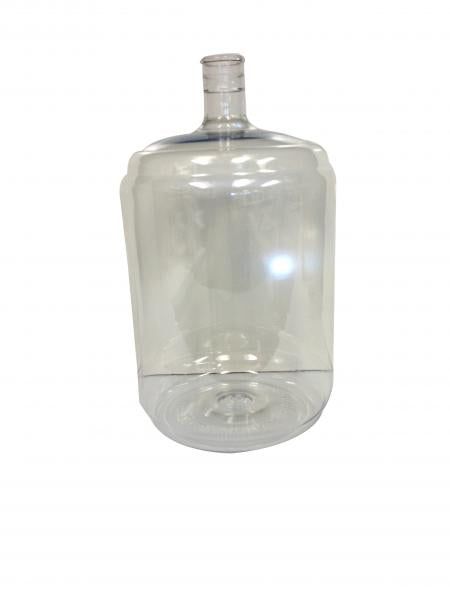
These are great to use for wine and beer making but are also good storage containers for spirits.
The Rubber Stopper #10 fits the carboy perfectly.
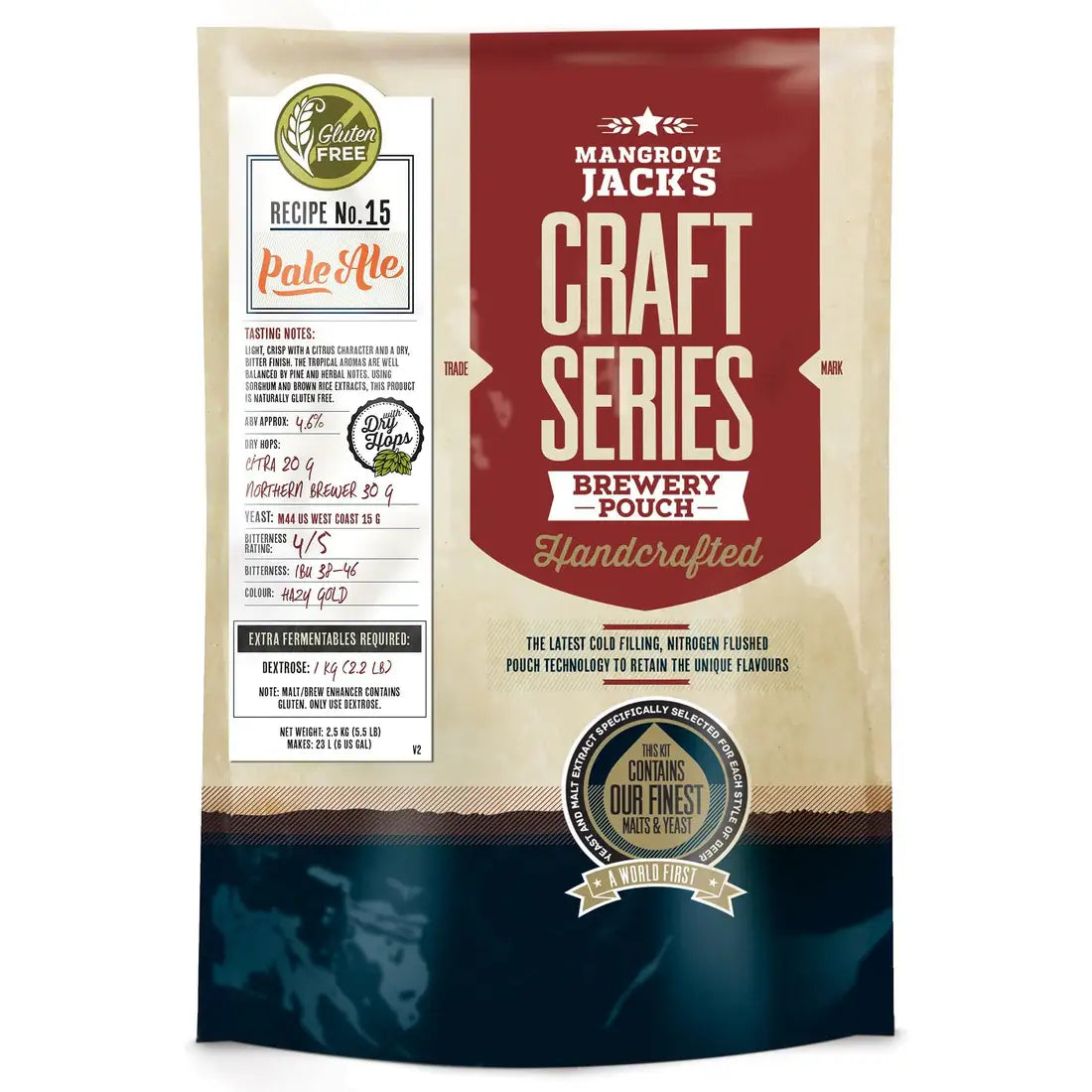
This beer is made from 100% gluten free ingredients which makes it safe for consumption for people suffering from coeliac disease.
It has a light and crisp taste, with a nice citrus character and a dry, bitter finish. Tropical aromas are well balanced with pine and herbal notes.
ABV Approx: 4.6%
Bitterness: 4/5
IBU: 38-46
Colour: Cloudy Gold
Makes: 23 L
Yeast: M44 US West Coast
Hops: Citra and Norther Brewer
Brewing Sugar Required: 1 kg Dextrose/Brew Enhancer
Note: Malt/Brew Enhancer contains gluten. For a gluten free beer, only use dextrose.


This model of carbonation cap does everything that regular carbonation caps do but with several added features.
The post on this unique carbonation cap has been machined to fit both the black/liquid and grey/gas ball lock disconnects. This carbonation cap also includes a barb-tail on the underside so you can attach beer line to act as a dip tube.
This allows the carbonation cap to be used in several different ways including:
1. Carbonating
2. Cleaning your beer lines
3. Using it to counter pressure bottle fill PET bottles
From: Kegland
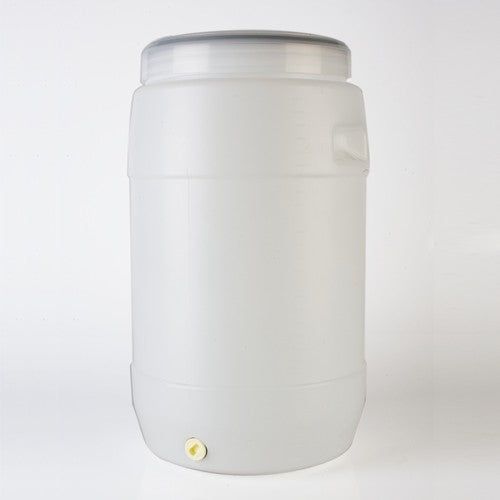
A solid plastic fermenting barrel with screw top lid, airlock hole, and one litre markers down the side.
Please note that you will also need to order an airlock, airlock grommet and tap if you want a complete fermenting barrel.
Dimensions: approx. 525mm high x 300mm diameter


A bored silicon bung for use with an airlock. It is 38mm at the top tapering down to 25mm at the bottom.
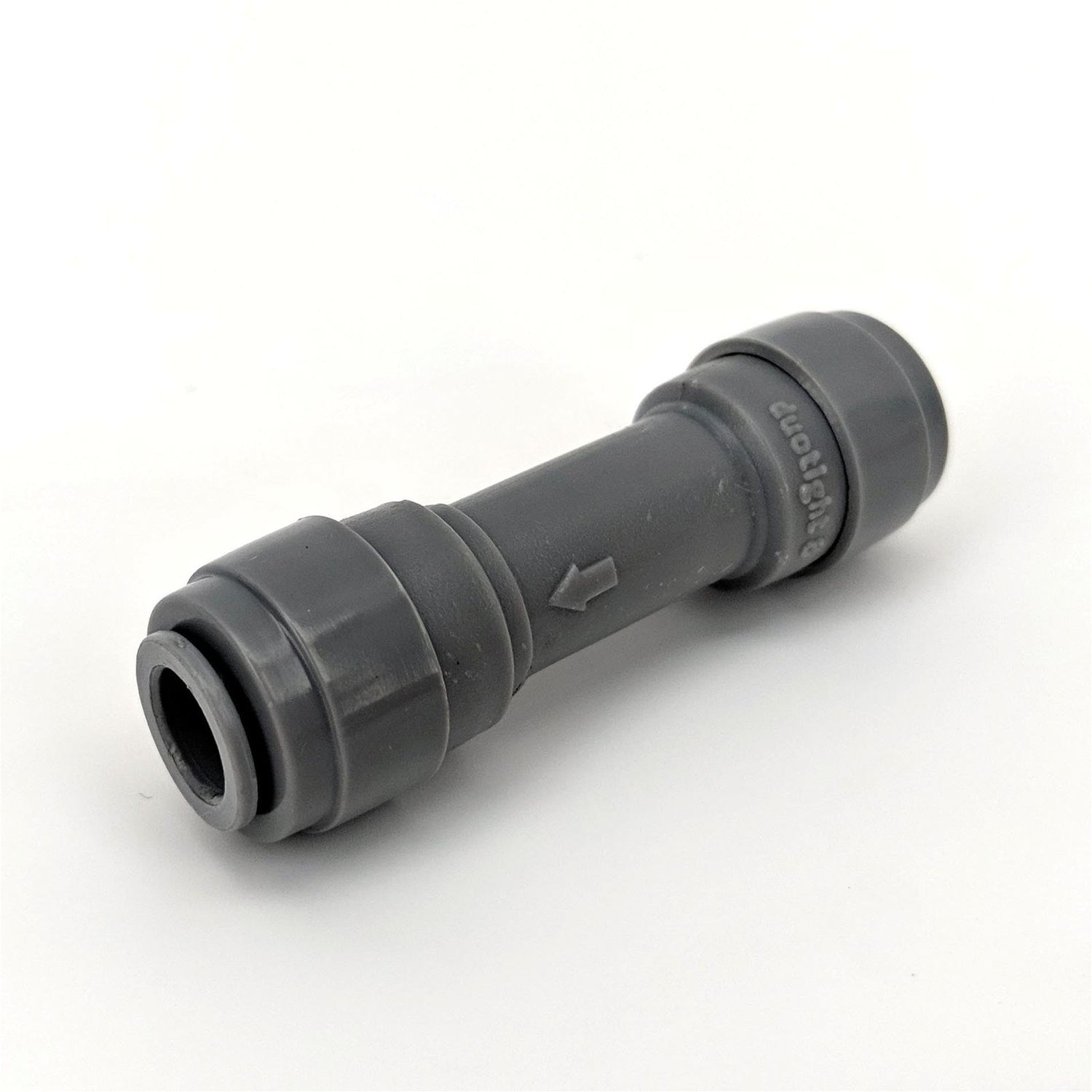
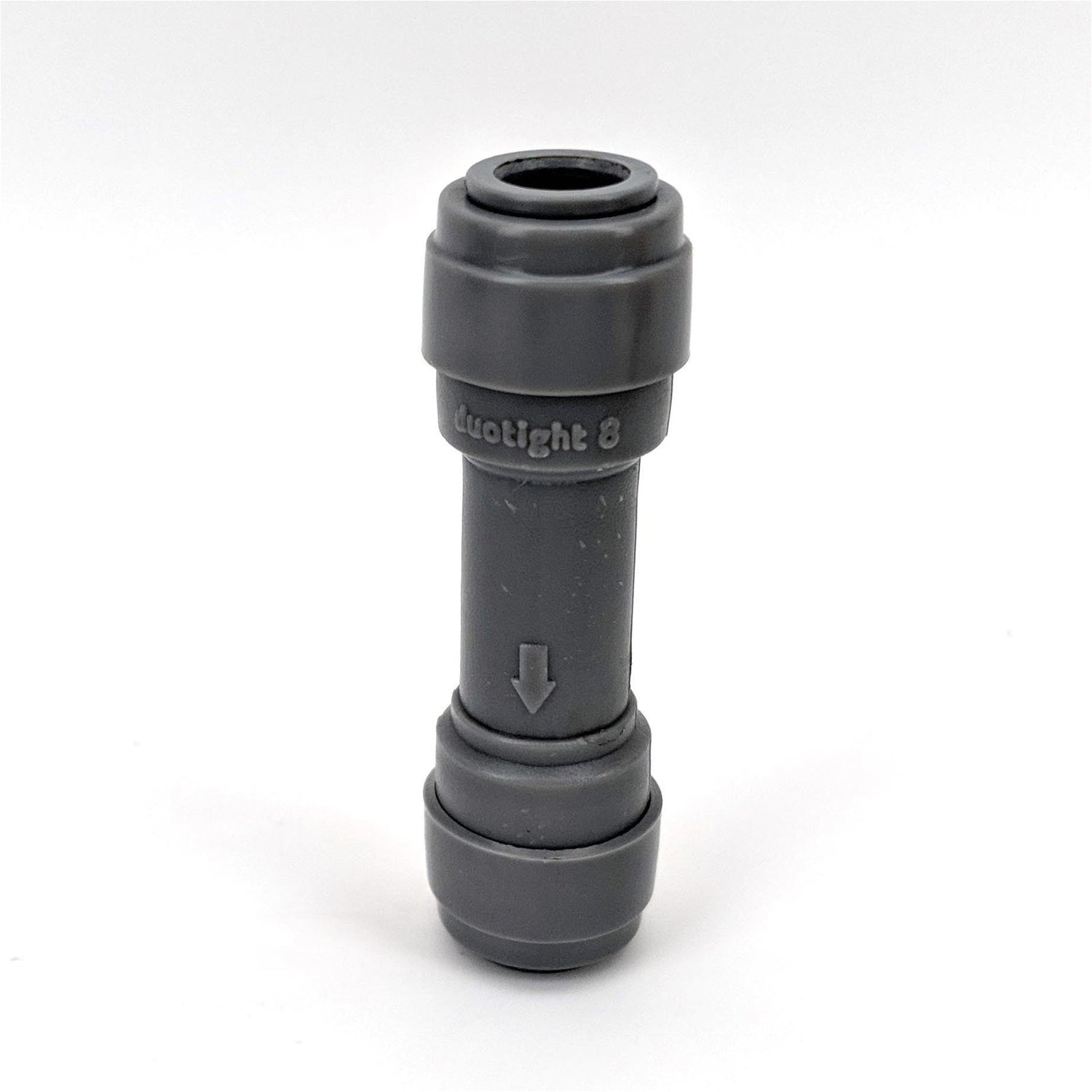
Duotight 8mm (5/16) one way check valve/non-return valve.
This very handy fitting could save your regulator and is a good investment. This particular type of check valve has low opening pressure of only 1 psi. It is suitable for clean liquids such as water or for gas. The spring and internal components are made with stainless steel and quality EPDM seals.
No clamps necessary, however we do recommend cutting your hosing straight, not on an angle, to ensure the line has a complete seal. To remove the fitting simply push in the collet and the hose can be removed. These push in fittings are suitable to be used up to 100 psi.
These push in fittings have been engineered for maximised performance in both gas and liquid applications. Duotight takes the double safety approach to all of the connections with two EPDM o-rings per hose port.
Fits 8mm outer diameter tube.
Note: colour may vary.
From: Kegland
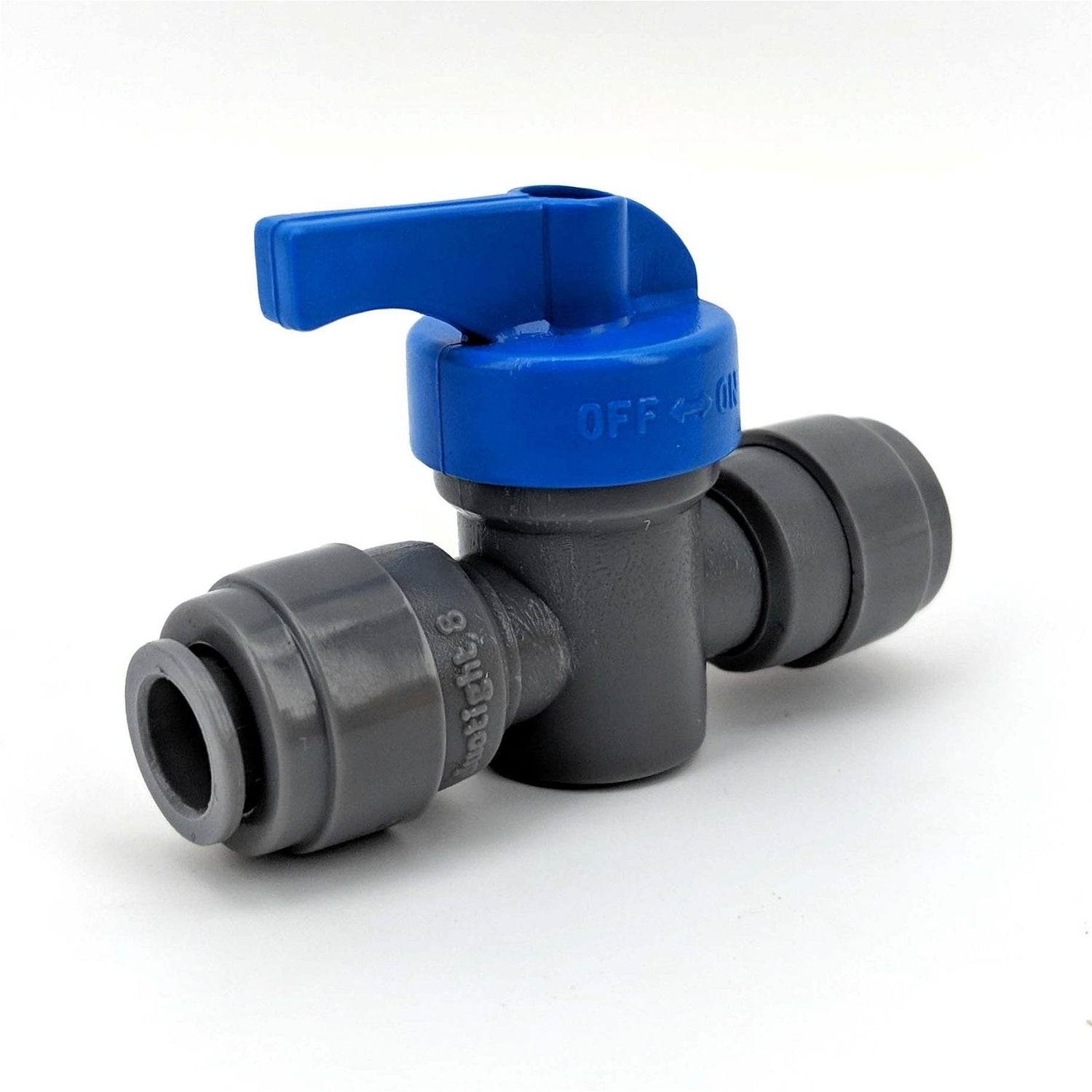
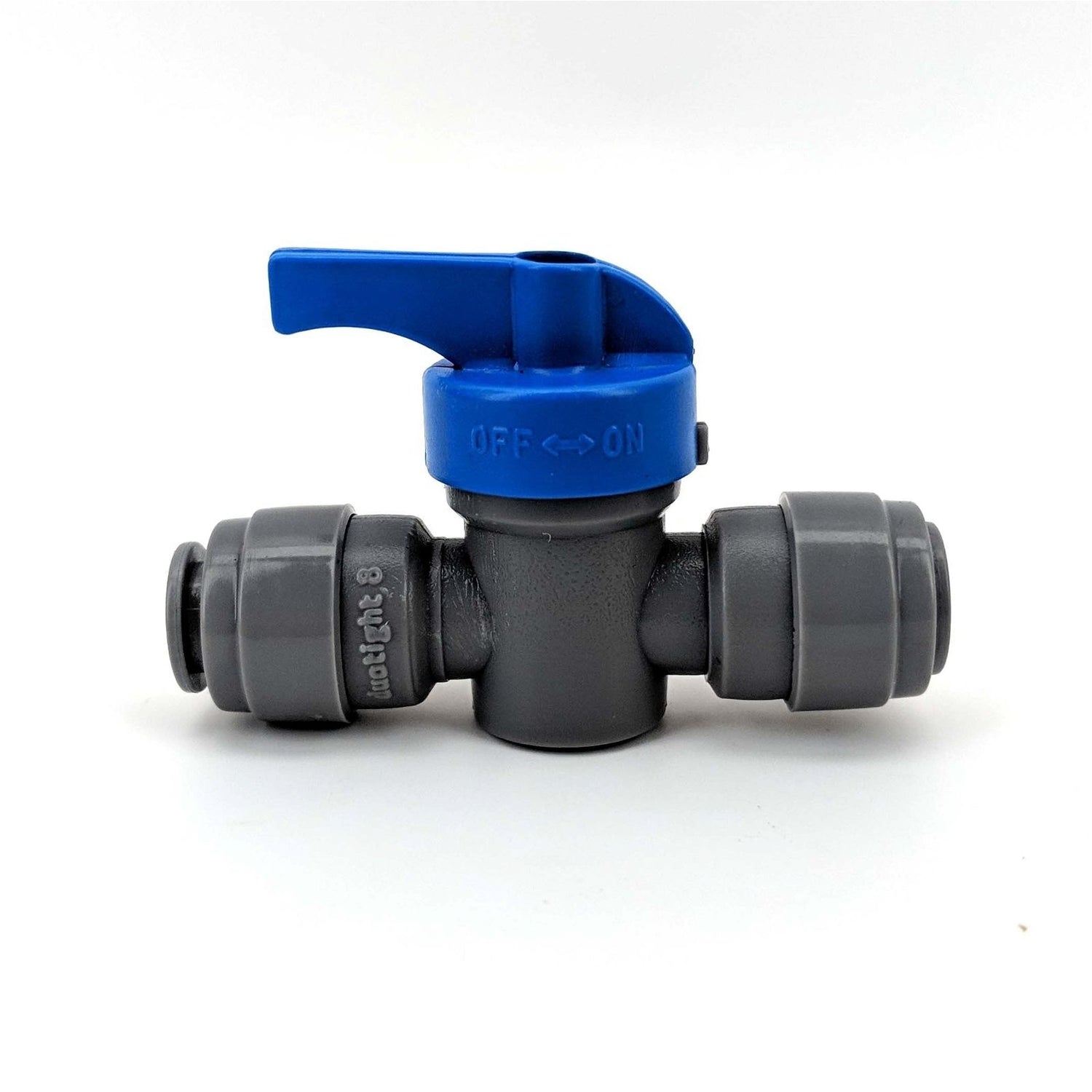
No clamps necessary, however we do recommend cutting your hosing straight, not on an angle, to ensure the line has a complete seal. To remove the fitting simply push in the collet and the hose can be removed. These push in fittings are suitable to be used up to 100 psi.
These push in fittings have been engineered for maximised performance in both gas and liquid applications. Duotight takes the double safety approach to all of the connections with two EPDM o-rings per hose port.
Note: colour may vary.
From: Kegland
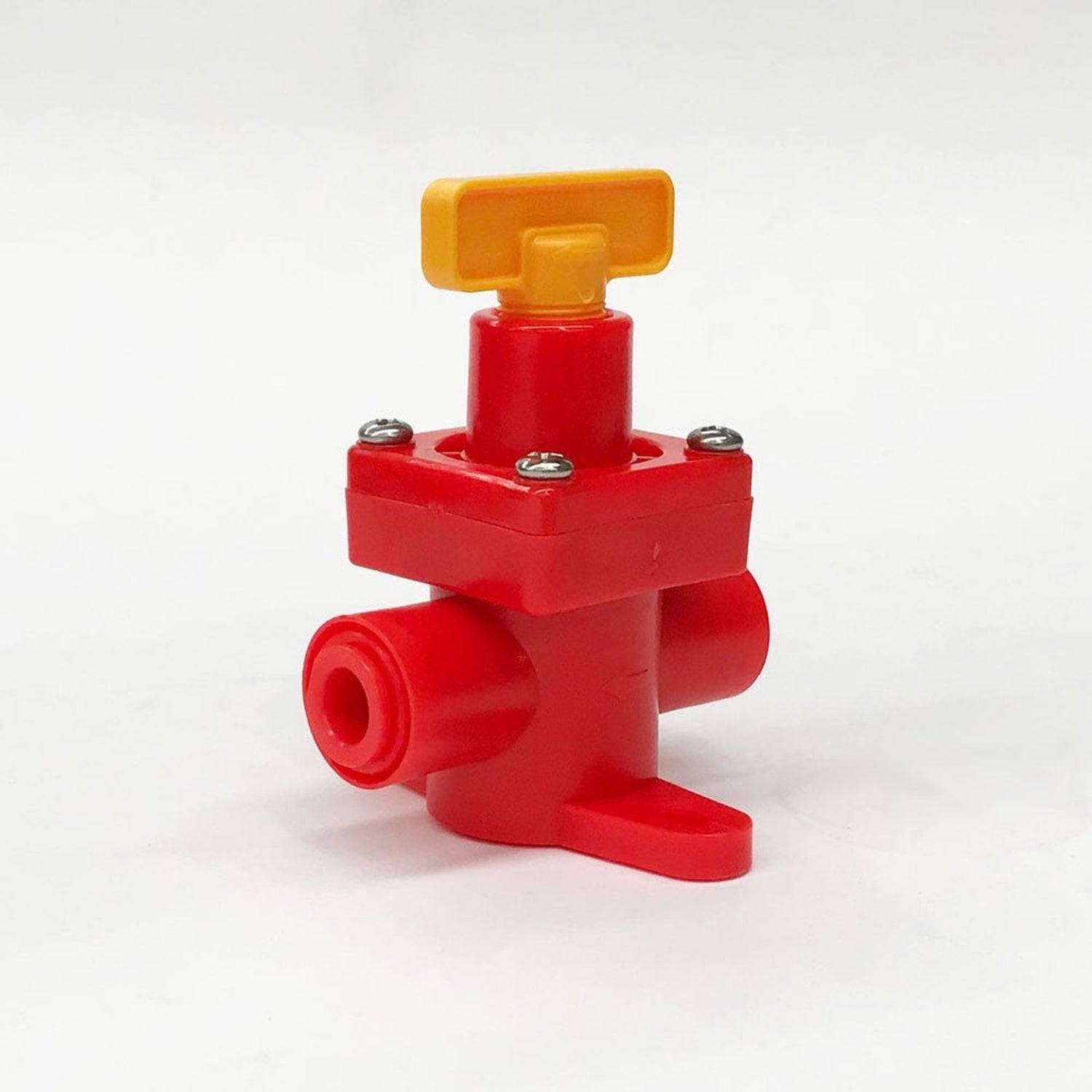
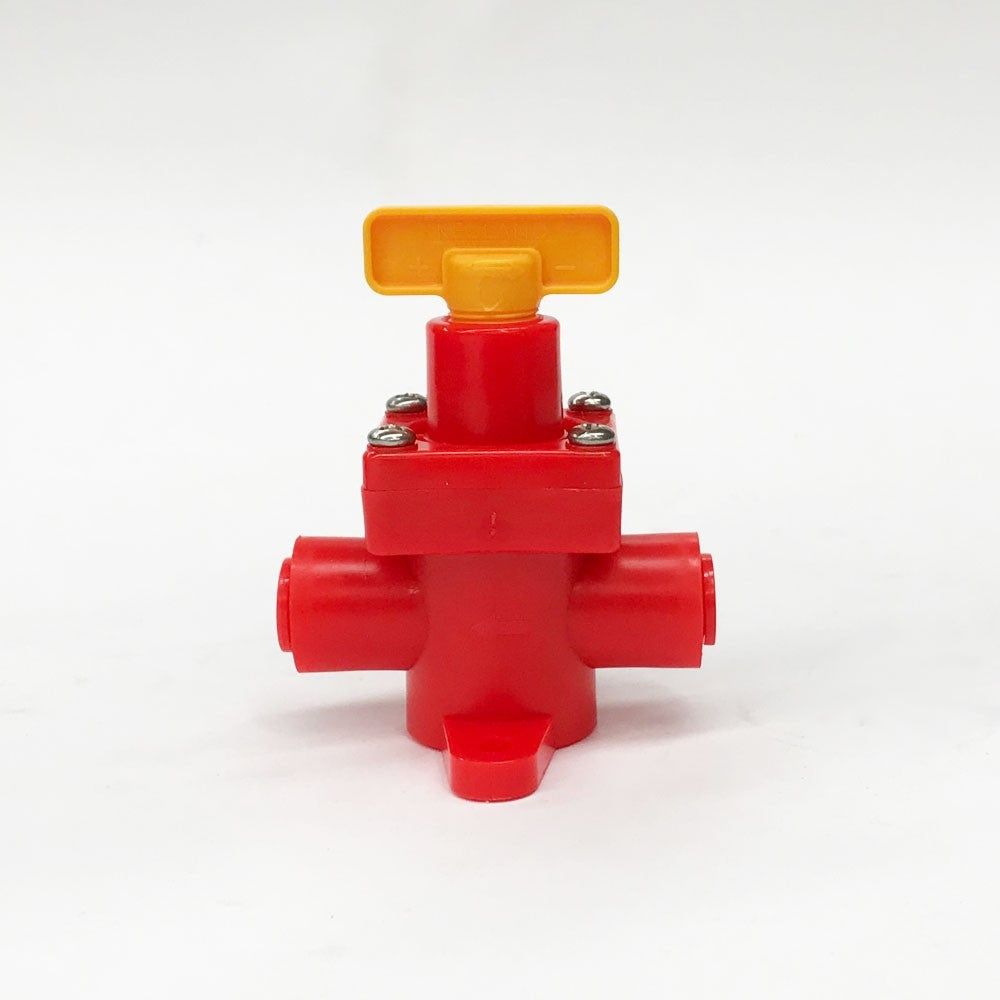
The unit can be easily disassembled for cleaning using a phillips head screw driver.
Features:
- 8mm push fit connectors
- precise pressure control
- easy to take apart and clean
- simple to adjust pressure
- made from high quality acetal
- diaphragm activated
- control pressure from 0-40psi
Pressure Fermentations
With pressurised fermentation becoming ever more popular it has become increasingly important to have a method of regulating and controlling this residual pressure from the fermentation process. The BlowTie has been designed specifically for this reason.
Pressure Transfers
When transferring from keg to keg, keg to bottle, or fermenter to keg, it is often a good idea to have head pressure in the keg you are filling, especially if you are transferring a beverage that is carbonated. For this reason the BlowTie can consistently control this head pressure giving you more consistent results and without losing carbonation in the process.
The BlowTie has been made different to traditional spunding valves by taking advantage of a diaphragm to actuate the sealing mechanism. This will release pressure from the pressure vessel with much more accurate control.
From: Kegland
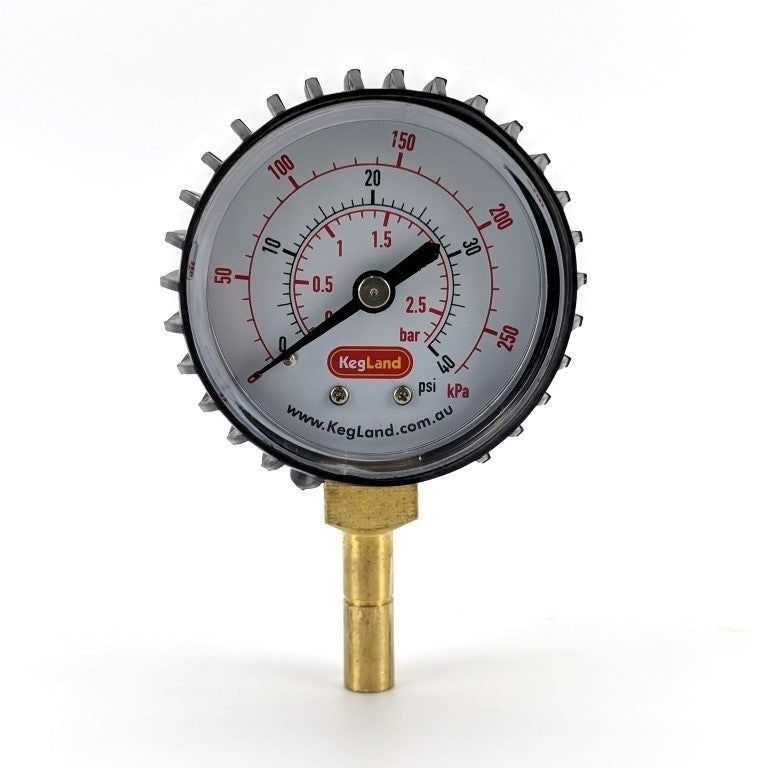
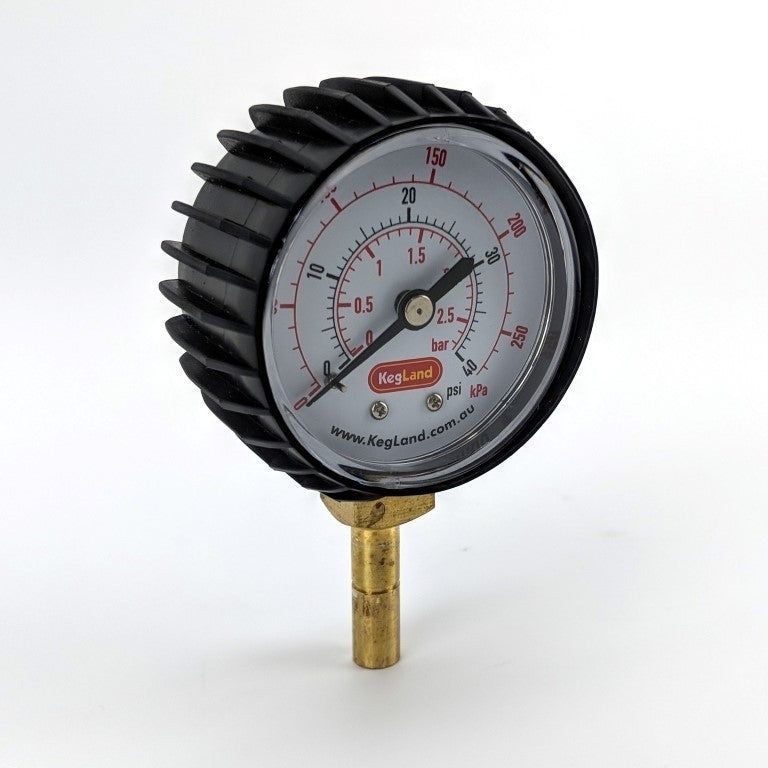
The barb on this gauge will enable you to put this directly onto hosing or alternatively you can connect it to any of the push in fittings such as the Duotight push in fittings in the 8mm size.
Specifications:
- 0-40psi / 0-250kPa / 0-2.5 Bar (kg/cm^2)
- Rubber Coated
- 8mm Push in Barb
From: Kegland

Irish Stouts are a black beer with a pronounced roasted flavour, often similar to coffee. The balance can range from fairly even to quite bitter, with the more balanced versions having a little malty sweetness and the bitter versions being quite dry.
The ATF Irish Dry Stout’s wonderful aroma of roasted coffee with hints of roasted cacao will have you thinking you have just walked into a coffee roasters. Full of roasted flavours with a light body, low ABV, and dry bitter finish, this beer is very very drinkable all year round.
Yeast is not included in the kit. We recommend using Mangrove Jack's New World Strong Ale yeast or Lallemand Nottingham High Performance Ale Yeast.

Irish Stouts are a black beer with a pronounced roasted flavour, often similar to coffee. The balance can range from fairly even to quite bitter, with the more balanced versions having a little malty sweetness and the bitter versions being quite dry.
The ATF Irish Dry Stout’s wonderful aroma of roasted coffee with hints of roasted cacao will have you thinking you have just walked into a coffee roasters. Full of roasted flavours with a light body, low ABV, and dry bitter finish, this beer is very very drinkable all year round.
Yeast is not included in the kit. We recommend using Mangrove Jack's New World Strong Ale yeast or Lallemand Nottingham High Performance Ale Yeast.
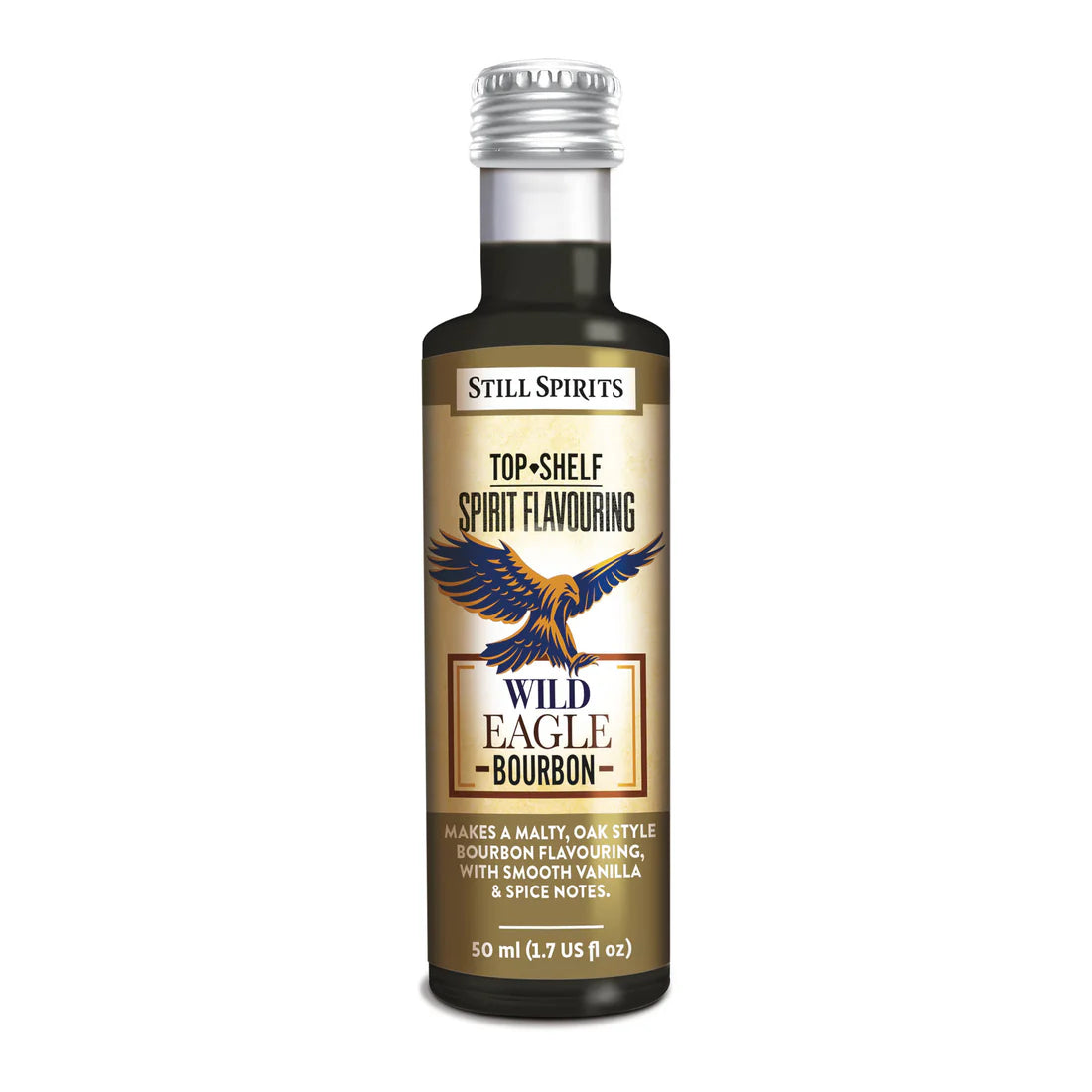
A malty, oak style with smooth vanilla & spice notes. Just add this to a neutral spirit or vodka for a taste experience inspired by a top shelf spirit.
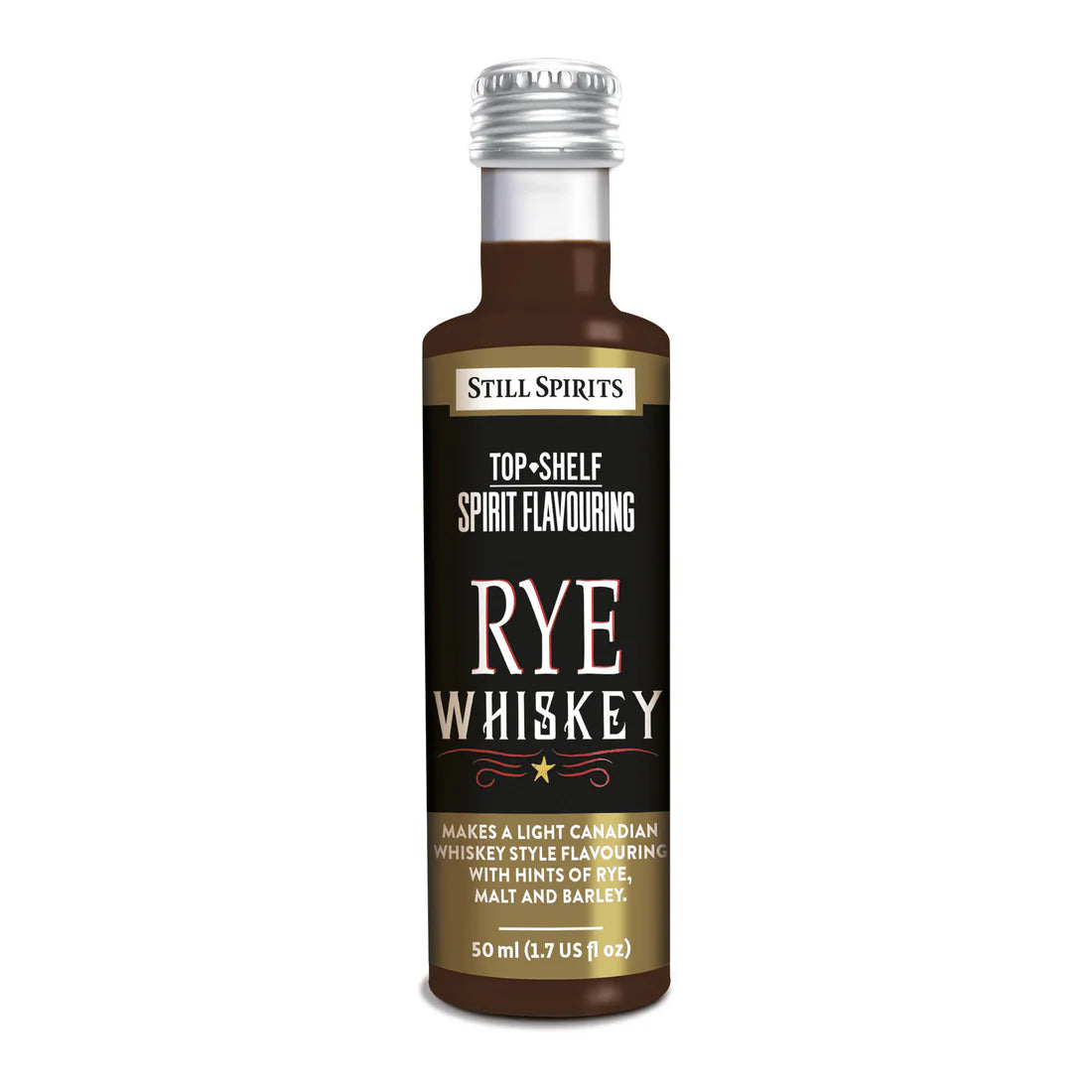
Light with notes of rye, malt and barley. Just add this to a neutral spirit or vodka for a taste experience inspired by a top shelf spirit.
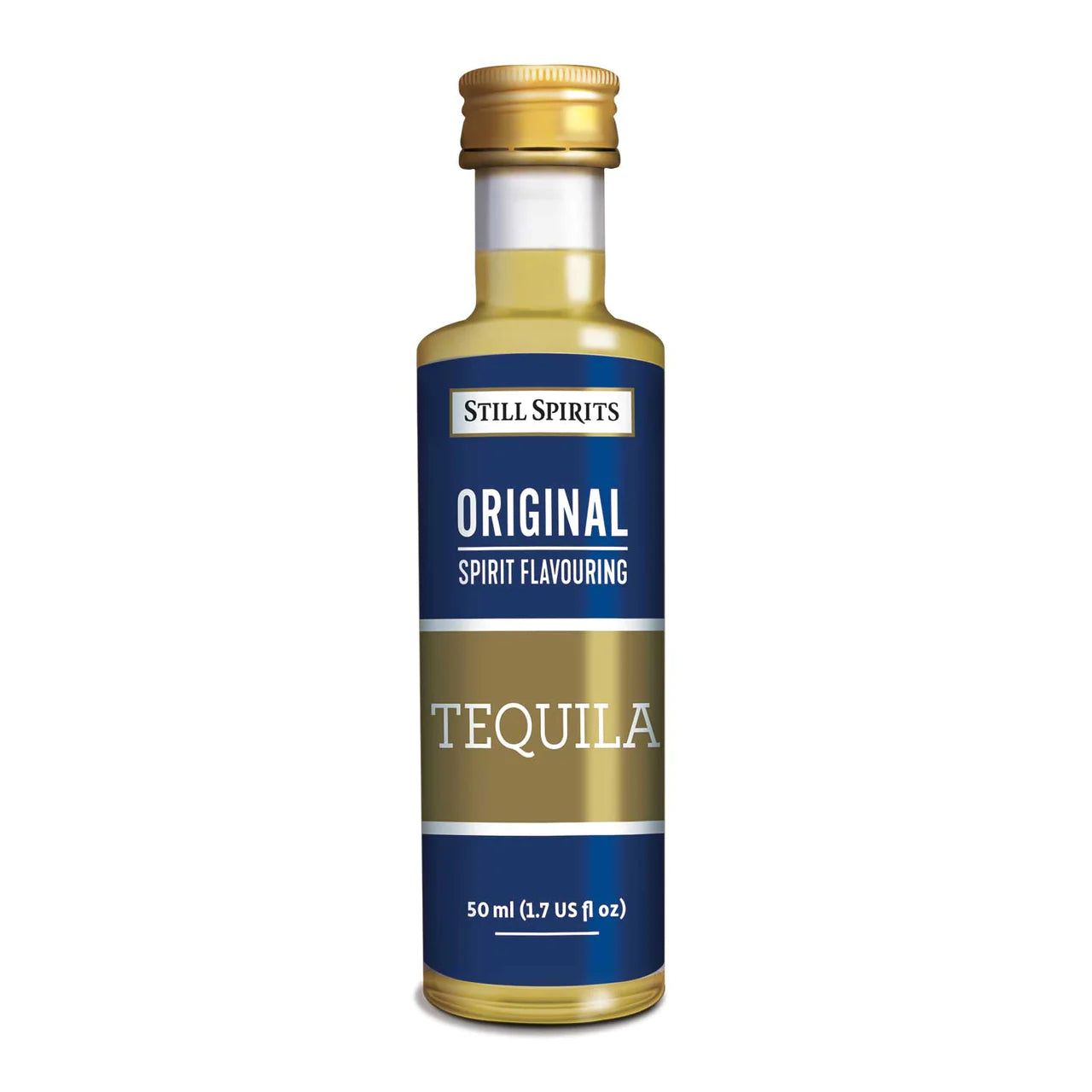
A traditional tequila flavour. A great value flavouring suitable for mixing with larger volumes of neutral spirit or vodka.
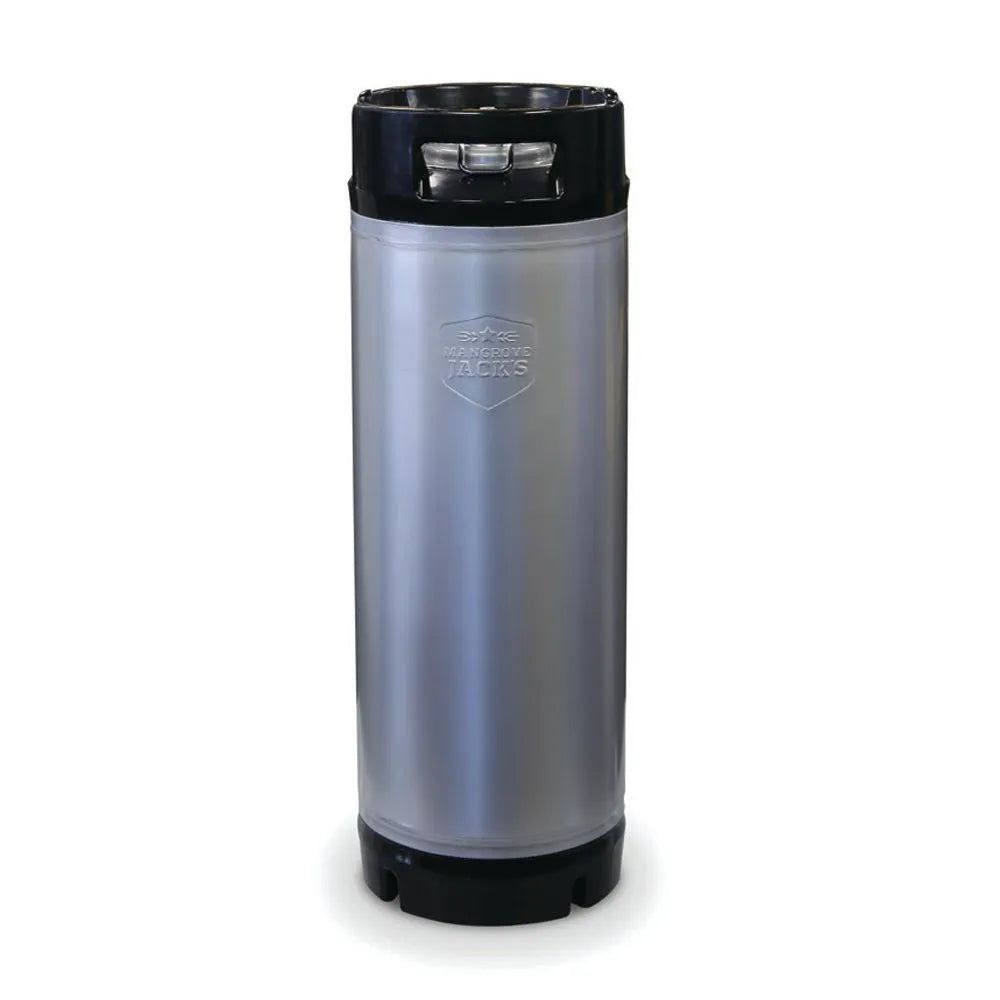
Streamline Your Brew Day. Skip the Bottles.
Make the switch to kegging with the Mangrove Jack's 19L Cornelius Keg—a brand-new, food-grade stainless steel vessel built for home brewers who value efficiency. No more hours of sanitising bottles; just clean one keg, fill it, and pour perfect pints straight from your kegerator. Designed for everyday durability, this keg combines rugged construction with user-friendly features that make storage and transportation a breeze.
Key Specifications:
-
Capacity: 19 L (5 US Gal) – ideal for standard home brew batches
-
Body Material: High-grade stainless steel for corrosion resistance and flavour protection
-
Handle & Base: Rubber top and bottom for easy transportation and stacking.
-
Diameter: 22.3 cm – fits neatly into most standard kegerators
-
Connections: Fully compatible with standard Cornelius (Corny) parts for easy maintenance and customisation
-
Safety Certification: NSF Approved for safe food and beverage consumption
-
Branding: Embossed Mangrove Jack's logo for a premium, authentic finish
Pour with Confidence.
Whether you're carbonating a crisp lager or serving a hop-heavy IPA, this keg delivers consistent performance at working pressures up to 130psi. Its robust rubber protectors absorb knocks during transport, while the stainless steel interior keeps your beer tasting as fresh as the day it was brewed. Upgrade your setup today and enjoy the convenience, consistency, and professional feel that only kegging can provide.