

Sort by:
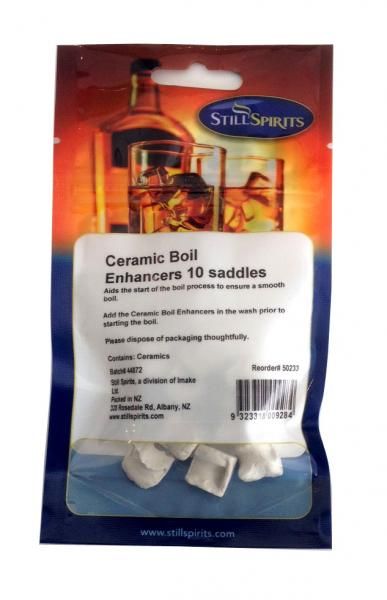
These small ceramic chips aid the start of the boil process and help prevent surging to ensure a smooth boil. Add the Ceramic Boil Enhancers to the wash in the boiler prior to starting the boil.
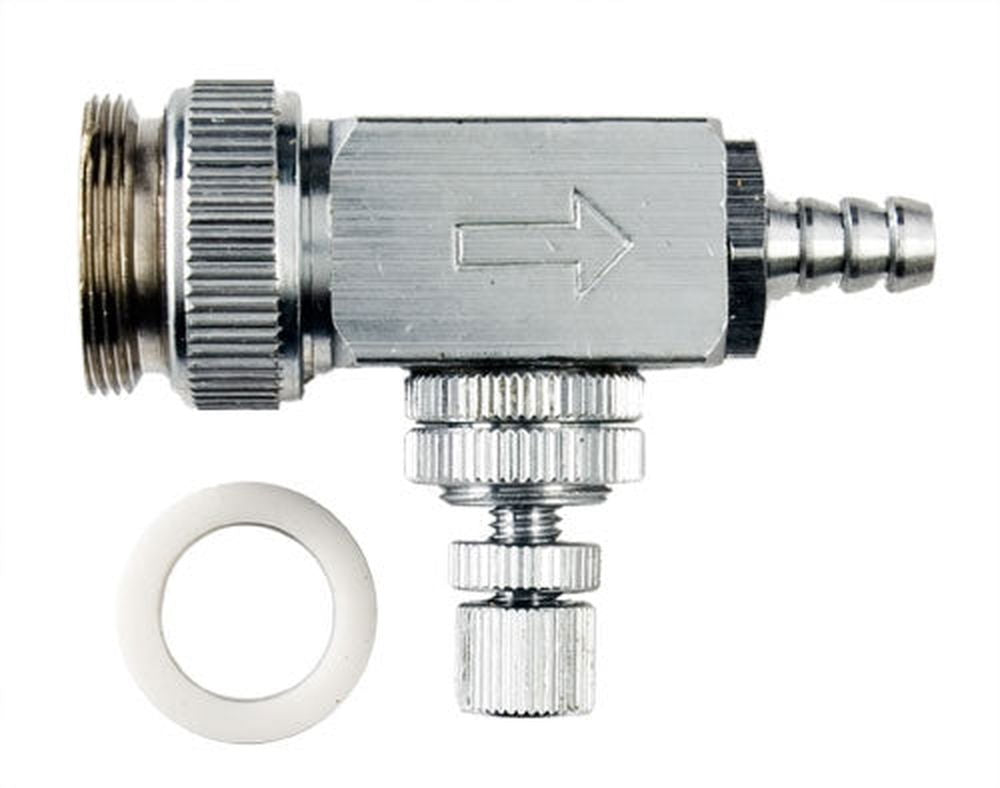
Ideal for adjusting the water flow for stills. An adapter is included so the unit should work on a 22mm and 24mm threaded faucet. This unit is a needle valve design which allows accurate adjustment of the water flow.
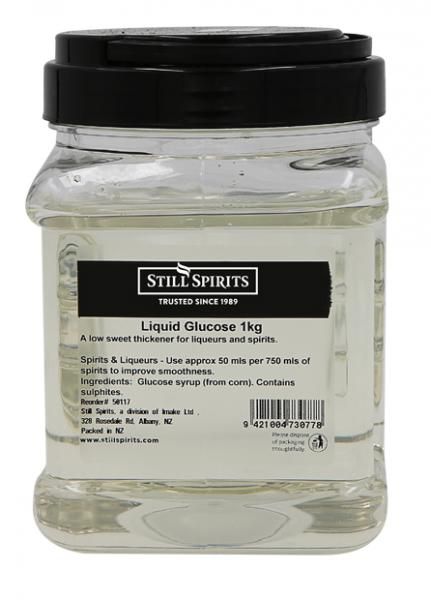
A low Sweet thickener for liqueurs and spirits.
Use approximately 50ml per 750ml of spirits to improve smoothness.
Ingredients: Glucose syrup (from corn)
Contain sulphites
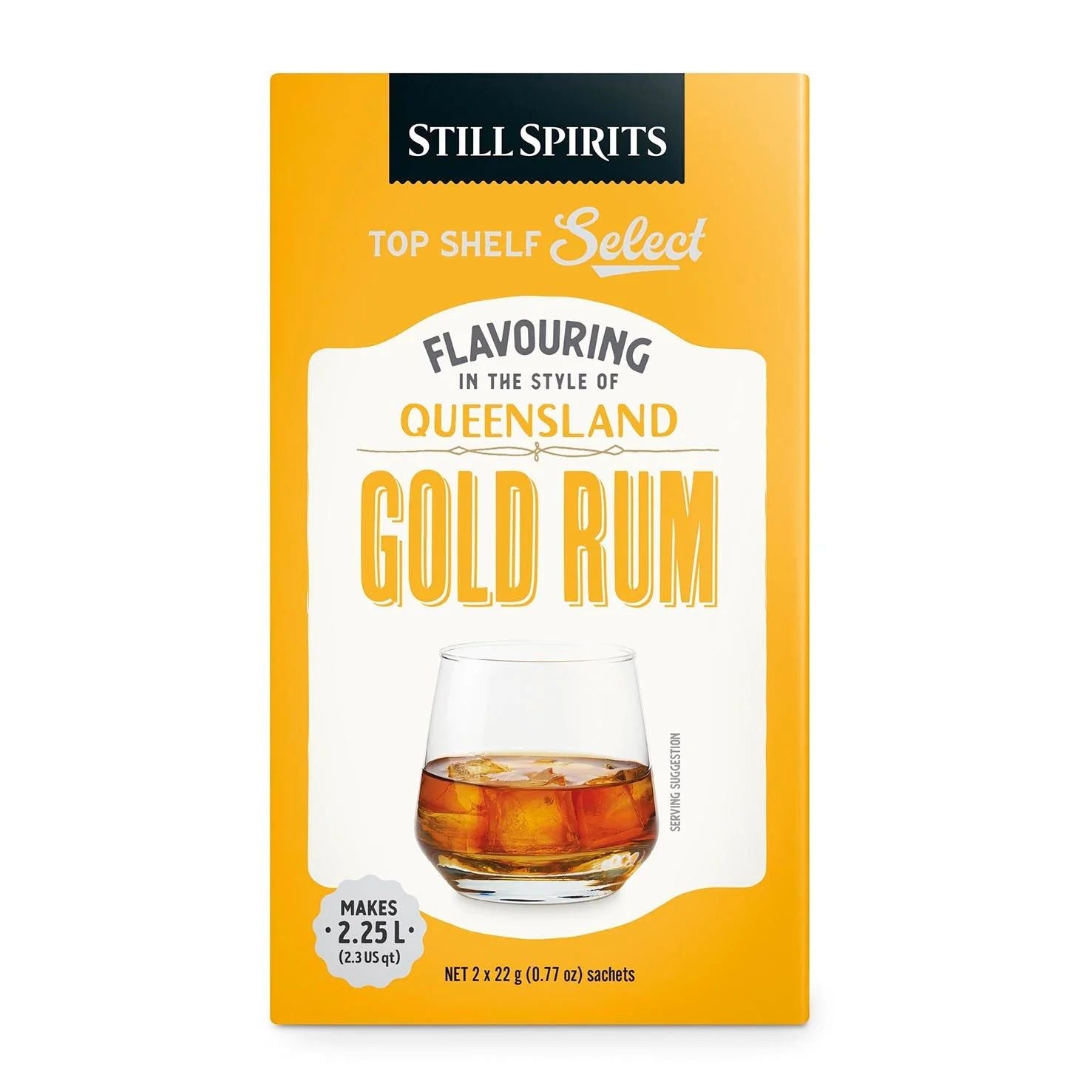
Smooth with hints of vanilla and a sweet caramel finish. Ideal for adding to a neutral spirit or vodka to create a premium top shelf taste experience.
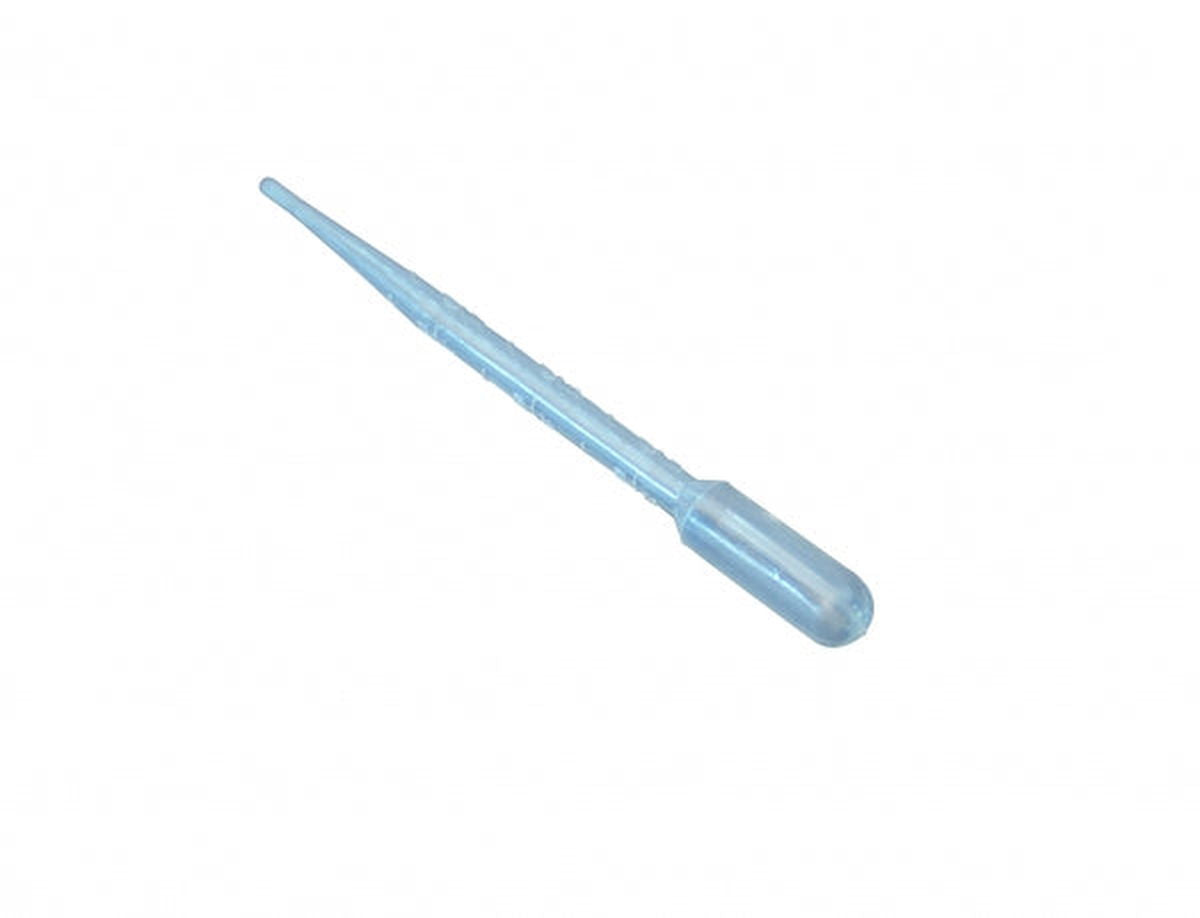
Used for accurately measuring very small quantities of liquid. Place pipette in the desired liquid, pinch the pipette's bubble end to create suction & and control the amount of liquid extracted. Wash & sterilise pipette before and after use.
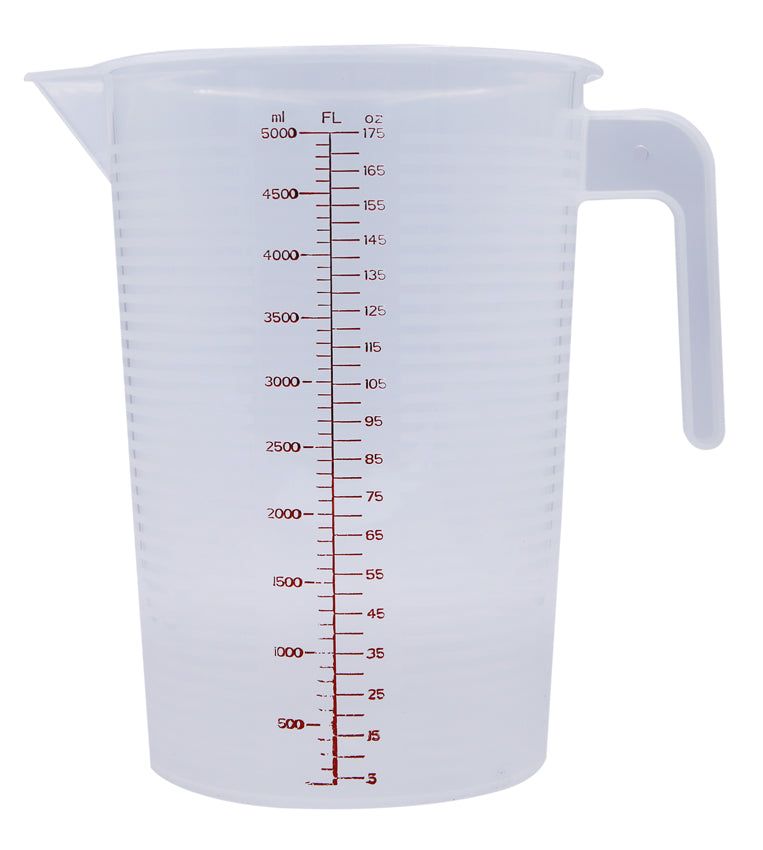
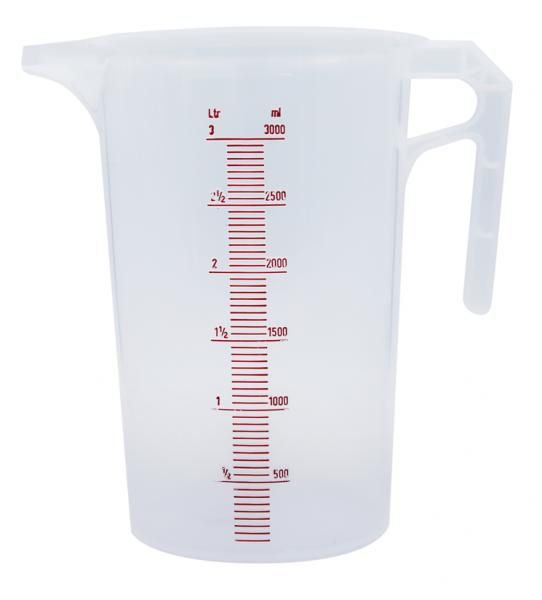
A 5 L plastic jug with mL and fl oz markings.
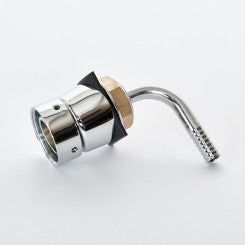
Length: approx. 44mm (1.75")
Bore size: approx. 4.76mm (3/16")
Material: Stainless steel
From: Krome Dispense

Shopping for someone else but not sure what to give them? Give them the gift of choice with an All Things Fermented gift card.
Gift cards are delivered by email only and contain instructions to redeem them at checkout. Our gift cards have no additional processing fees and no expiry date.
Gift cards can not be used to purchase ATF T-Shirts.

A 1/2 inch (12.7mm) Male Hosetail.
- BSP Threaded End
- Working Pressure: 150lbs (psi) / 10bar
- Working Temperature: 250°C at 10bar
- 316 Stainless Steel

Lactic Acid is primarily used in brewing to reduce the pH of brewing water to ensure the optimum pH for enzyme activity during the mash.
It may also be used to reduce the pH of sparge water to reduce the risk of tannin extraction.
In Germany, some breweries will maintain lactic fermentations and use the resulting liquid to make pH adjustments during the brewing process without breaking Reinheitsgebot.
Click here to read the Bru'n Water Water Knowledge page, which contains everything you need to know about brewing water.

Magnesium Sulphate (MgSO4), commonly known as Epsom Salts, is typically the secondary ion in hardness in water.
Magnesium, like calcium, will help to reduce mash pH, however it is not as effective in lowering pH as calcium.
It accentuates flavour with a sour bitterness, when present in low concentrations and can be used very effectively in pale ales and IPA's.
Magnesium is also an important yeast nutrient aiding in flocculation, however sufficient magnesium should be supplied by the malt during the mash. As such it should only be added to brewing water for its flavour effects.
Before adding salts to your brewing water you should obtain a water analysis report to enable you to calculate the amount of salts in your brewing water after making any additions. Refer to the Brewing Resources page for some links to water chemistry calculators.
Click here to read the Bru'n Water Water Knowledge page, which contains everything you need to know about brewing water.

- reduce mash pH
- preserve mash enzymes
- increase extract yield
- improve yeast growth and flocculation
- accelerate oxalate removal
- reduce colour.
The sulphate ion in calcium sulphate is thought to promote a drier beer, which in turn may allow bitterness and hop flavours and aromas to be more prominent. Adding calcium sulphate to brewing water is common when brewing pale ales and India pale ales.
Before adding salts to your brewing water you should obtain a water analysis report to enable you to calculate the amount of salts in your brewing water after making any additions. Refer to the Brewing Resources page for some links to water chemistry calculators.
Click here to read the Bru'n Water Water Knowledge page, which contains everything you need to know about brewing water.
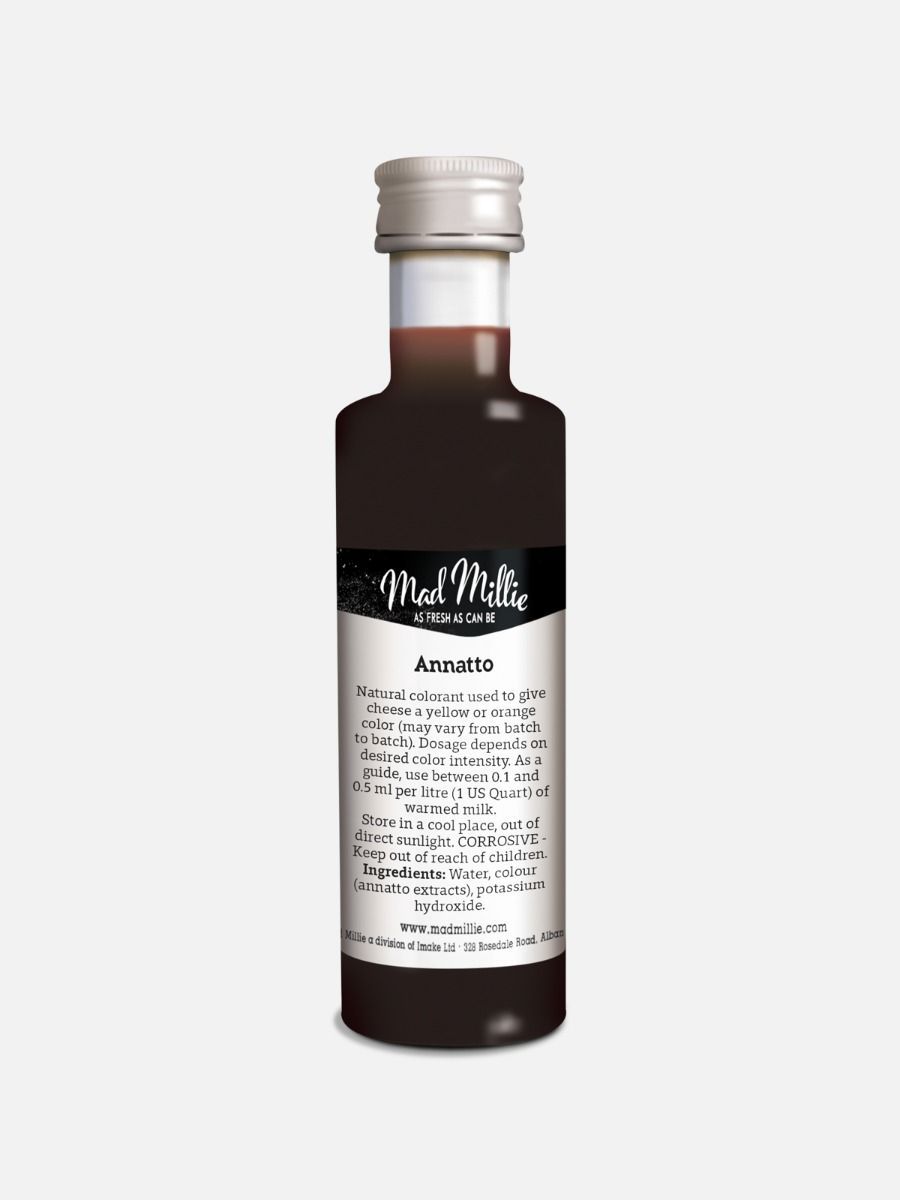
Annatto is a natural colourant used to give cheese a yellow or orange colour.
Directions: Dosage depends on the desired colour intensity. As a guide, use between 0.1 and 0.5 ml per litre of warmed milk. Store in a cool place, out of direct sunlight.
Ingredients: Water, colour (annatto extracts), potassium hydroxide.

Calcium chloride is a crystalline salt with the chemical formula CaCl2. It is solid at room temperature and highly soluble in water. It is one of the primary components in the measurement of permanent water hardness.
In brewing calcium chloride may be added to brewing water to increase calcium levels. Proper calcium levels in brewing water can:
- reduce mash pH
- preserve mash enzymes
- increase extract yield
- improve yeast growth and flocculation
- accelerate oxalate removal
- reduce colour.
Chloride is believed to promote a palate fullness, sweetness, or mellowness within the flavour profile of beer.
Before adding salts to your brewing water you should obtain a water analysis report to enable you to calculate the amount of salts in your brewing water after making any additions. Refer to the Brewing Resources page for some links to water chemistry calculators.
Click here to read the Bru'n Water Water Knowledge page, which contains everything you need to know about brewing water.

Calcium carbonate (CaCO3) is a common substance found in rocks as the minerals calcite and aragonite (most notably as limestone, which is a type of sedimentary rock consisting mainly of calcite) and is the main component of pearls and egg shells.
In brewing calcium carbonate may be used during the mash to increase the mash pH (reduce acidity), however it may not increase mash pH as much as desired. Click here to read a detailed analysis of calcium carbonate in brewing written by A.J. deLange.
In wine making calcium carbonate may be used to reduce acidity levels in must. It should only be used before fermentation and will reduce tartaric acid levels before malic or citric acids. It does not require cold stabilisation to precipitate out like potassium carbonate, but it will take longer and may affect flavour.
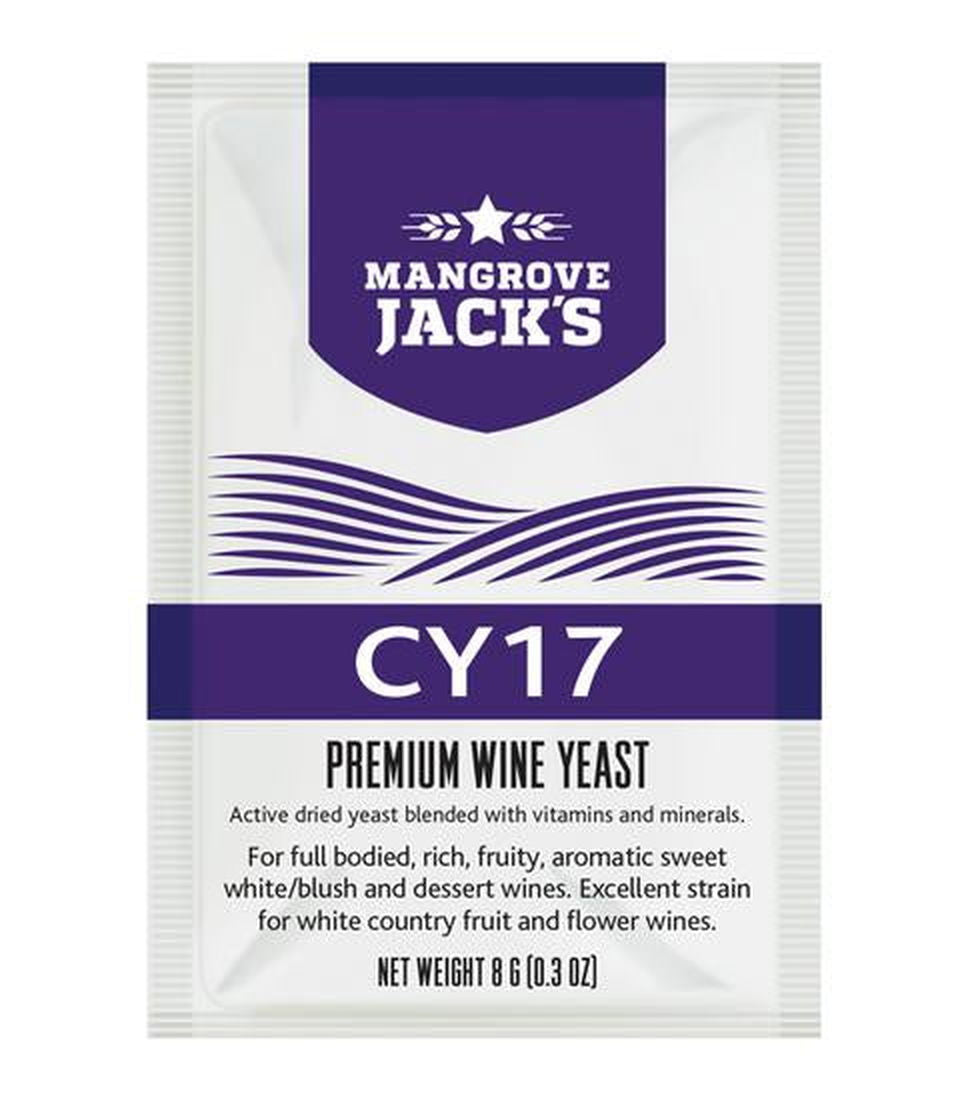
A white wine strain for making both dry and sweet wines, and also rosé wines. This moderate fermenting yeast is also perfectly suited to making country style wines from fruits and flowers, as these flavours and aromas are naturally enhanced. This strain promotes body, and confers rich and full, fruit and floral aromatics.
Suitable for Sauvignon Blanc, Zinfandel, Muscat, Muscadet, Dessert wines and more.
Alcohol Tolerance: 14% ABV
Usage Directions: No rehydration required - add direct to grape must and stir well. For best results, ferment at 16 - 24°C.
Storage Recommendations: Store in a cool, dry place.
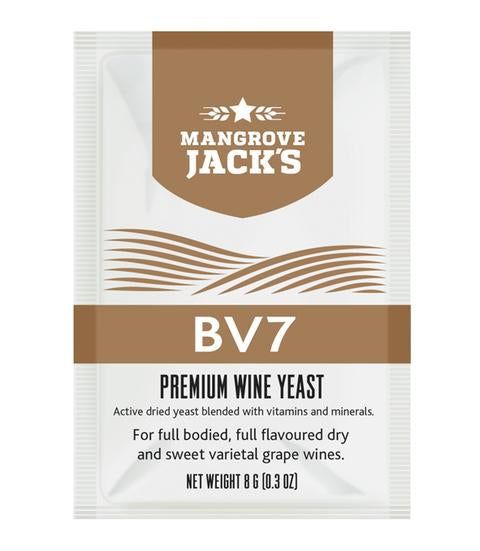
A white wine strain which enhances volume and intensity for full varietal flavour expression. This moderate fermenting yeast also promotes good body and structure, whilst still preserving and respecting the natural flavour and aroma characteristics of the grape.
Suitable for Chardonnay, Semillon, Muscat, Pinot Gris and more.
Alcohol Tolerance: 14%
Usage Directions: No rehydration required - add direct to grape must and stir well. For best results, ferment at 14 - 28°C.
Storage Recommendations: Store in a cool dry place.
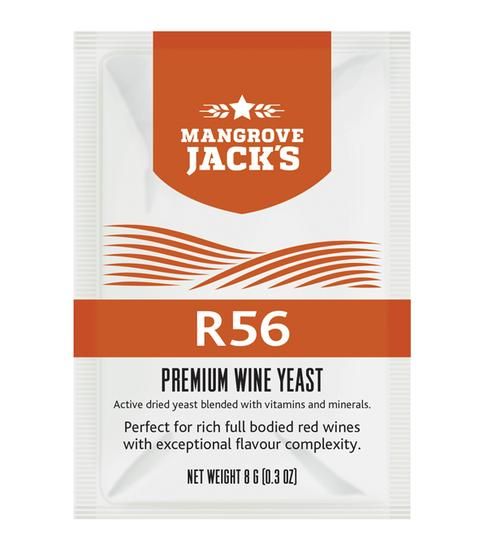
A strain suitable for red wines which enhances body and mouthfeel, develops complex fruit flavours/aromas, and promotes structure and longevity. This moderate fermenting yeast is ideal for both new and old world styles, producing complex and interesting fruit-driven red wines.
Suitable for Merlot, Malbec, Nebbiolo, Fruit wines and more.
Alcohol Tolerance: 15% ABV
Usage Directions: No rehydration required - add direct to grape must and stir well. For best results, ferment at 18 - 28°C.
Storage Recommendations: Store in a cool, dry place.
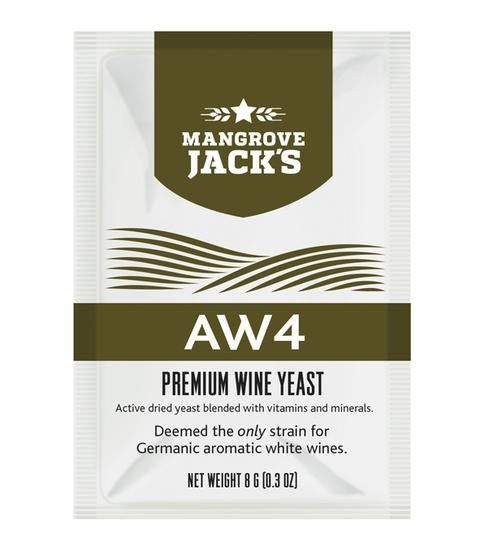
A highly aromatic strain suitable for white & rosé wines, this moderate fermenting yeast confers fragrant aromatics esters to the wine which enhance varietal expression and aroma. This positive aromatic impact can be used to complete the natural aromatic qualities of the grape, or to enhance where the grape itself is lacking.
Suitable for Riesling, Gewurztraminer and more.
Alcohol Tolerance: 14% ABV
Usage Directions: No rehydration required - add direct to grape must and stir well. For best results, ferment at 16 - 24°C.
Storage Recommendations: Store in a cool, dry place.
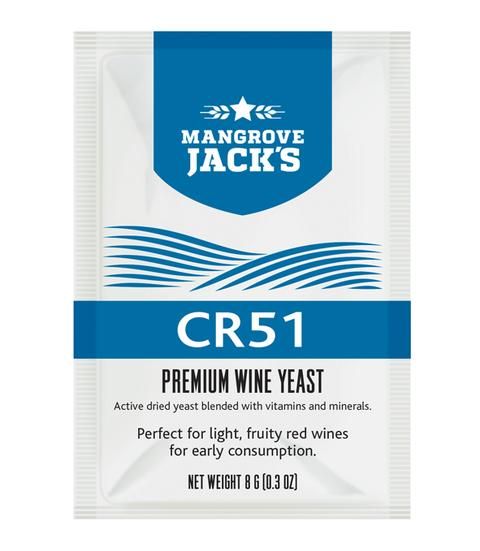
A strain suitable for red wines, especially those intended to be light, fresh and fruity. This moderate fermenting strain produces soft, velvety-smooth wines, with aromatic enhancement of red berry fruits notes.
Suitable for Pinot Noir, Gamay and more.
Alcohol Tolerance: 14% ABV
Usage Directions: No rehydration required - add direct to grape must and stir well. For best results, ferment at 16 - 24°C.
Storage Recommendations: Store in a cool, dry place.

Material: 304 grade stainless steel
You may also need a hex nut and neoprene washer.

Material: 304 grade stainless steel
You may also need a hex nut and neoprene washer.
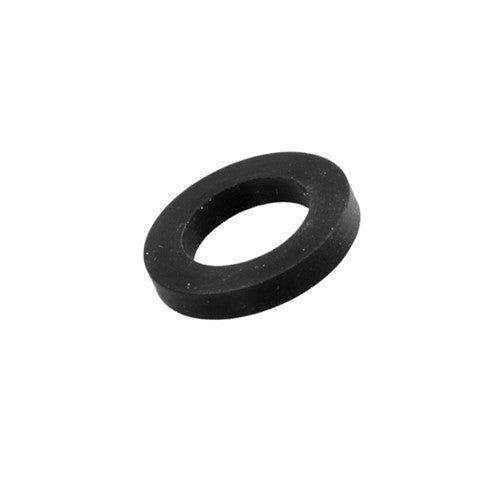
Product may differ slightly from image.
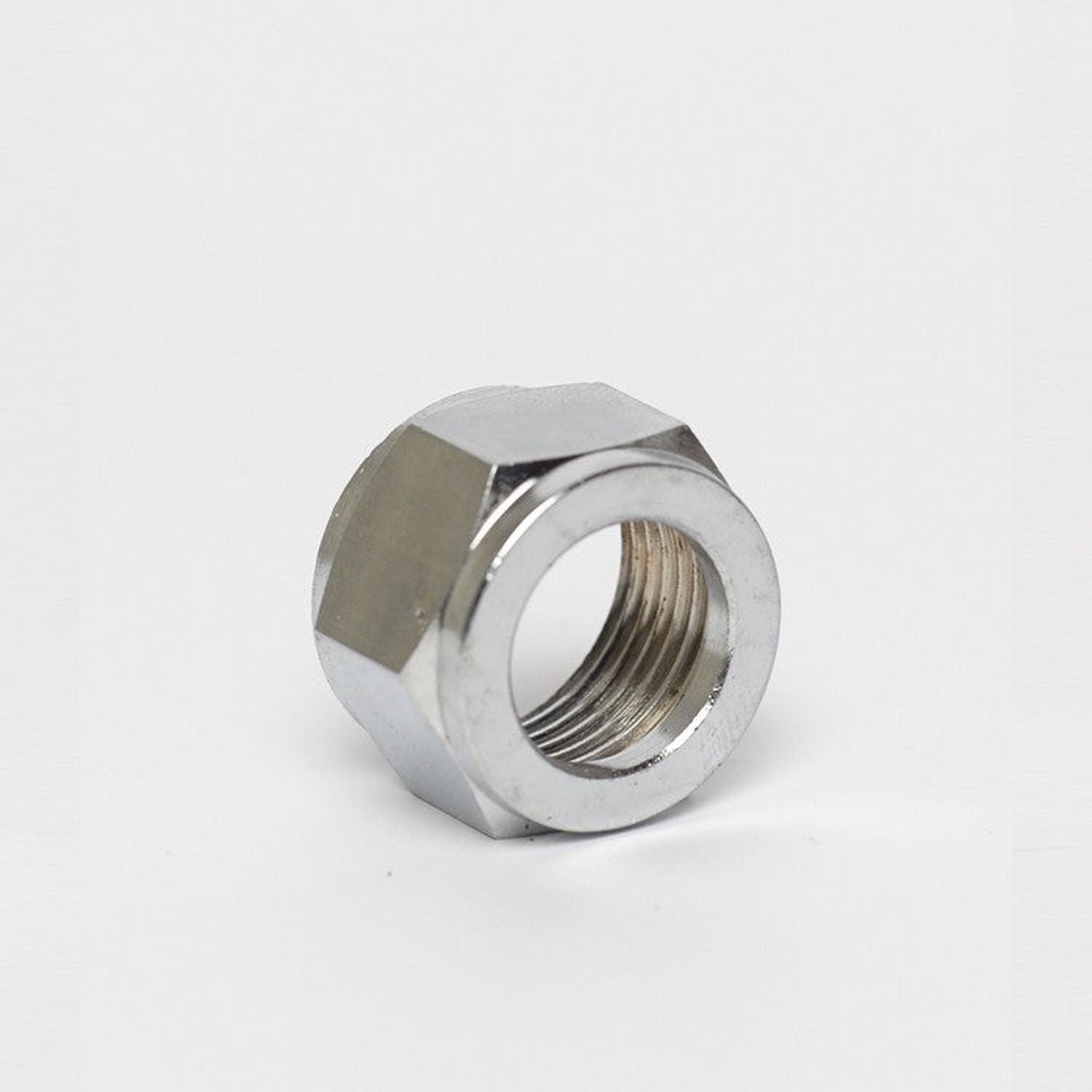
You may also need a tail piece and neoprene washer.

A stainless steel shank for your beer tap, with a bore size of 4.76mm (3/16").
Available in three sizes with shank lengths of: approx. 79mm, 105mm, and 130mm
Note there is no tail piece included but a separate tail piece, nut and washer are offered as additional options.
Alternatively a Duotight 8mm - 5/8" Thread can be used.
Length: approx. 79mm (3-1/8"), 105mm (4-1/8"), or 130mm (5-1/8")
Usable length: approx. 50mm, 65mm or 80mm
Bore size: approx. 4.76mm (3/16")
Material: Stainless Steel
Made by: Krome Dispense
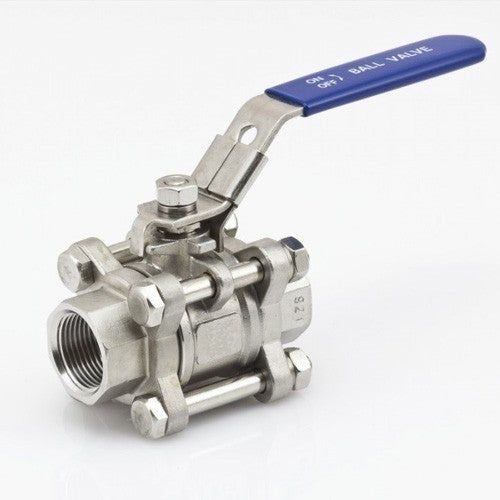

Made from 304 stainless steel.
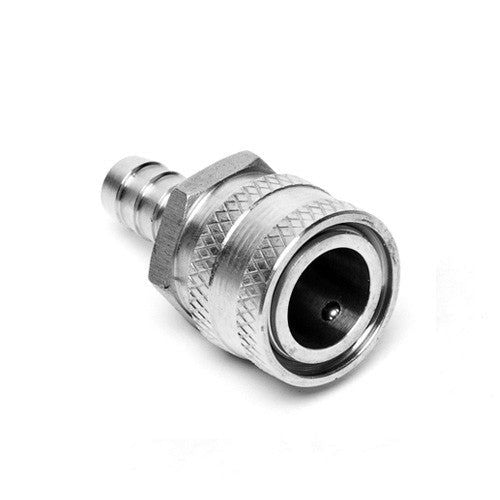
Includes a food grade O-ring.
Made from 304 stainless steel.

Stainless Steel Quick Disconnect - Male to 13mm (approx. 1/2") Barb. Fits our Female Quick Disconnect.
Made from 304 stainless steel.


These 750ml amber beer bottles come in a pack of 12 and feature a brown glass colour that effectively blocks light wavelengths responsible for the "skunked" off-flavour in beer. Ideal for homebrewers, they help preserve the freshness and quality of your brew by protecting it from harmful light exposure. Designed to fit crown caps, these bottles offer a reliable and traditional option for bottling your homemade beer.

Just like craft beer bottles, you can now bottle in 500ml flip top bottles.
This conveniently sized bottle holds the perfect amount for two glasses of your delicious beer or one pint beer glass, so you can pour the whole bottle carefully without disrupting any sediment.
If making a 23 L brew you will need 46 of these bottles - 4 pack of bottles.

A case of 12 x 750 ml amber glass flip top bottles for bottling beer, cider, or seltzer. Amber in colour to protect the beer from light, this convenient size bottle holds the perfect amount for two glasses.
If making a 23 litre brew you will need approximately 30 of these bottles.
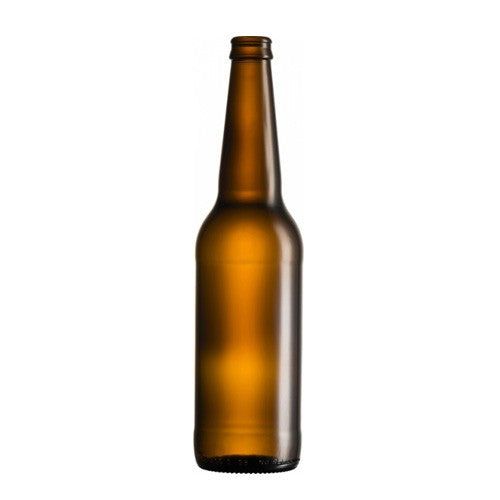
One dozen longneck 500ml glass beer bottles. These are reusable high quality glass bottles.
Size: 500ml
Colour: Amber
Dimensions: 270mm high, 68.5mm diameter
Quantity: 12 bottles
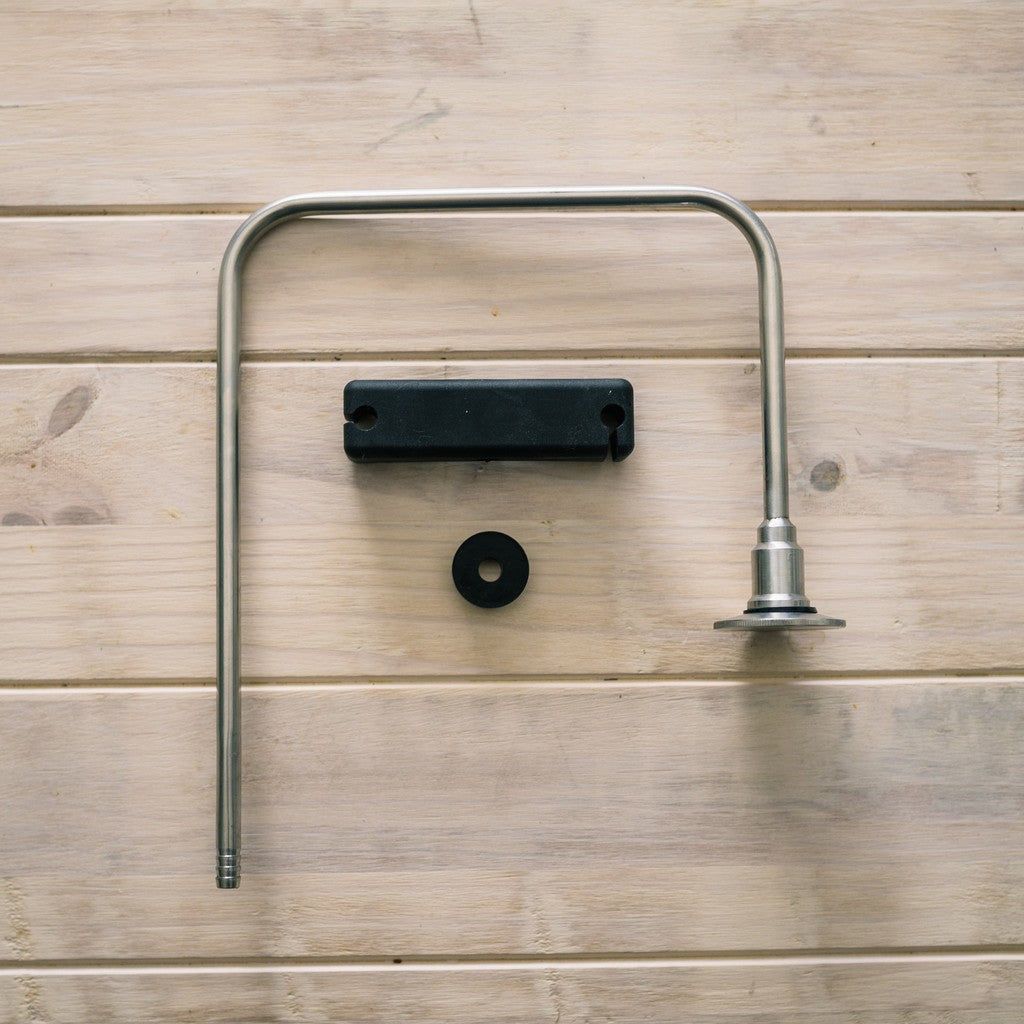
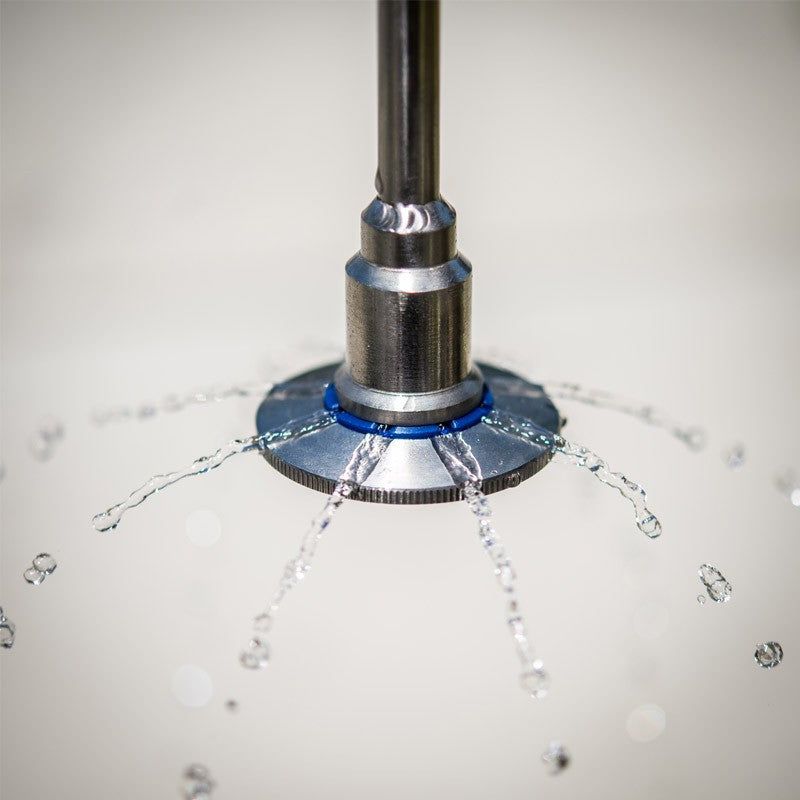
A Sparge Arm for use with the Ss InfuSsion Mash Tun.
- 304 Stainless Steel construction
- Designed for gravity feed from HLT, or combine your own pump / flow control valve
- 3/8” diameter stainless tubing
- Custom silicone handle mount for Ss Mash Tun
- Easily adjust height of sparge head up / down
- Uniform liquid dispersion from sparge head